
Passport
I. Technical Class
- Turkestan Range, Ashat gorge
- Peak 4750 via the right bastion of the North face
- Proposed grade — 6B, first ascent
- Route characteristics:
Elevation gain 950 m. Distance 1310 m. Length of sections with 5–6 difficulty grade — 805 m. Average steepness of the main part (bastion) — 77°, lower part (3800–4135 m) — 52°. Steepness of sections with 5–6 difficulty grade — 82°.
-
Climbing time — 97 hours, duration — 9 days.
-
Overnight stops:
All overnight stops were hanging: 4 people in a tent on a platform, 2 people in hammocks.
- Leader: Petrov Nikolai Evgenievich — Candidate for Master of Sports.
Team members:
- Bashkirov Vladimir Leonidovich — Master of Sports
- Kavunenko Vladimir Dmitrievich — Master of Sports of International Class
- Obikhod Vladimir Nikolaevich — Candidate for Master of Sports
- Rodnyanski Leonid Mornusovich — Candidate for Master of Sports
- Yanochkin Vladimir Ivanovich — Candidate for Master of Sports
- Coach: Petrov Nikolai Evgenievich — Candidate for Master of Sports.
- Departure to the route: July 13, 1989.
Summit: July 21, 1989. Return: July 22, 1989.
II. Organization: SK MGS VDFSO

Photo 1. General photo of the summit. Taken on July 11, 1989 from the slopes of Peak Parus, point No. 1, H=4100 m, S=7 km, camera “Siluet-electro”, F=35 mm.
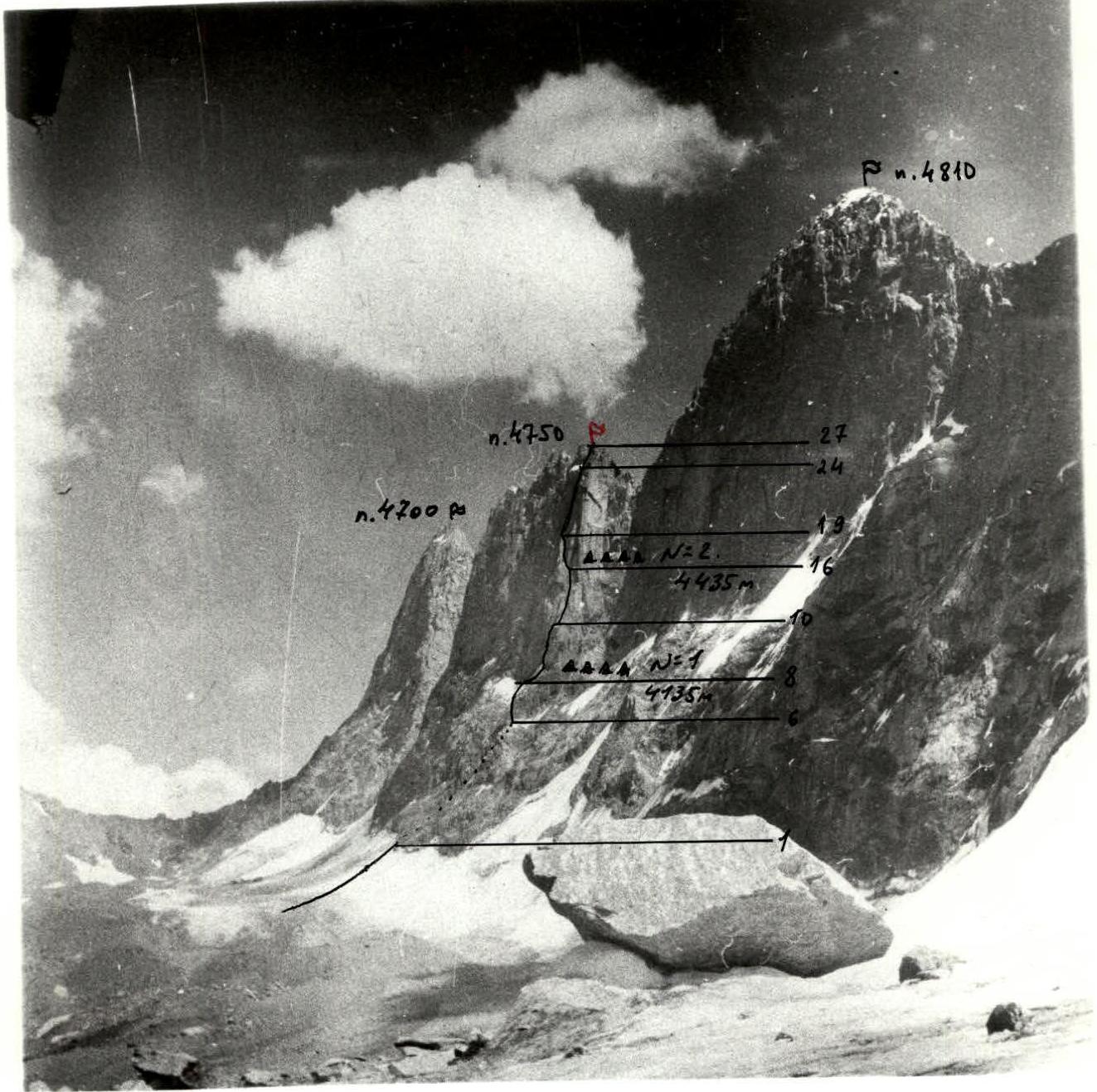
Photo 2. Semi-profile of the wall from the right. Taken on August 14, 1985, 6:15 from the slopes of Peak Sabakh, point No. 2, H=4000 m, S=6 km, camera “Smena”.
Tactical Actions of the Team
The tactical plan, compiled based on observations and reconnaissance, was executed without deviations in time and overnight stops.
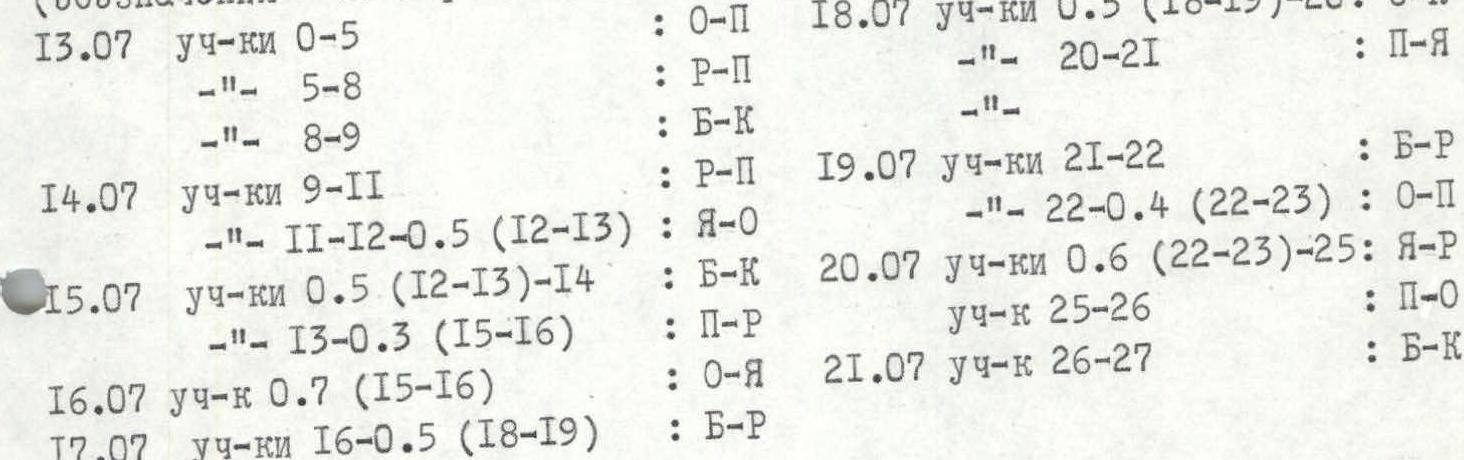
On the route, the leading rope team's work was organized in shifts — half a day each. The rope teams worked in the following order by days and sections: (denoted by the first letter of the surname, with the first being the leader)
Additional Information
July 13: left the last three ropes for the night stop to avoid working under the wall during a dangerous time. While processing (B—K), the rest organized a bivouac (hung a tent and hammocks). July 14: in the morning, removed the ropes below the night stop. The B—K pair assisted the leaders. "Improved" the bivouac — made a snow shelf for 2 people to avoid hanging in hammocks (photos 5, 6). In the evening, work on the cornices was greatly complicated by bad weather. July 15: the O—Ya pair assisted the leaders. Yesterday's snow with wind covered the micro-relief even on sheer sections. For insurance — drill hooks. In the second half — snow again. It should be noted that only due to the experience of complex wall ascents did the team work confidently and reliably. July 16: from morning and almost all day — bad weather, only by evening did O—Ya manage to pass the remaining section to the "Bird". July 17: The entire team ascended to the "Bird" and organized the second bivouac (photo 13). Processing did not stop, although there was another snow charge in the evening. July 18: The R—B pair removed some of the left ropes below the second night stop and assisted the leaders. The weather was consistently bad. The first sections of the route above the "Bird" changed dramatically:
- All belay stations were on ice,
- Cracks — were finally "overgrown" with ice and filled with snow.
It was impossible for the first climber to pass these sections in such conditions without "drill" work. Climbing higher was also extremely difficult. A lot of time was spent cleaning footholds and cracks from snow and ice. The experience gained on the South wall of Peak Kommunizma was very useful here. July 19: conditions were the same as on July 18. Snow with wind covered even overhanging sections (photo 17). July 20: the steepness decreased slightly, switched from "galosh" climbing to climbing on iced rocks with crampons. July 21: in the morning, the team left the night stop and reached the summit by 13:00. Visibility was zero — snow. It was not possible to determine if it was the highest point of the mountain or the western summit. Left a cairn and a note. In accordance with the tactical plan, the descent was made via the ascent route. By 22:00, descended to the first night stop. July 22: in the morning, began the descent and descended to the start of the route in safe time. During the ascent, the team used the entire "arsenal" of equipment (see preparation for the ascent). The leader worked only with a double rope (photo 11). All belay stations were organized from 2–3 spaced, connected points. "Ropes" were tied in 3–4 places and to each other.
There were no falls or injuries during the ascent. Overall, the team had a technical and physical reserve in case of severe weather deterioration.
The optimal selection of food allowed for full-fledged, two-meal hot nutrition (morning and evening), and a snack during the day. To save time, the non-leading rope teams prepared meals.
Throughout the ascent, the team maintained constant and regular radio communication with observers and the base camp, where a rescue team was stationed under the leadership of Master of Sports Khokhlov Yu.V. The rescue team had twice-daily radio communication with the KSP in Ak-Su.
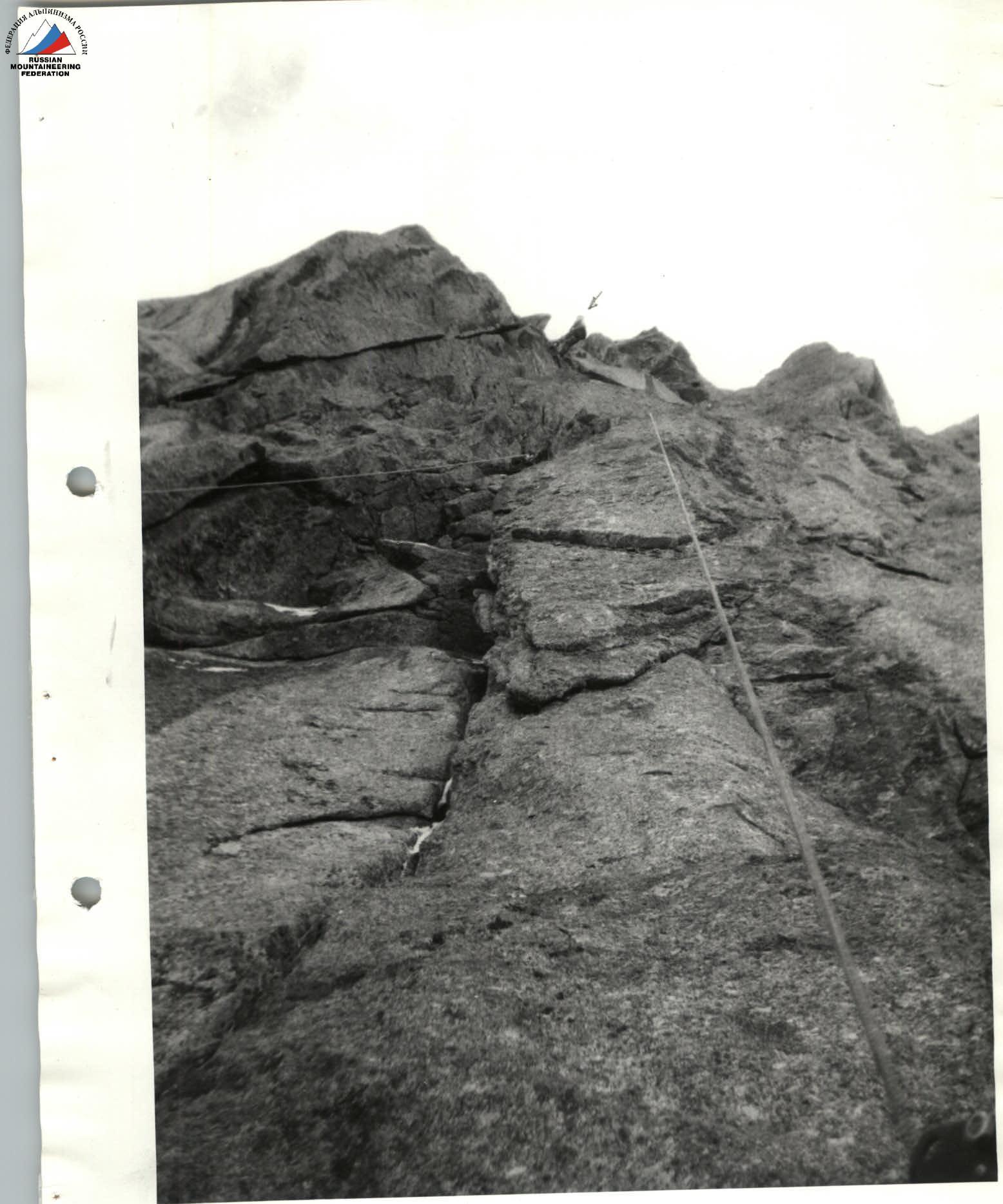
Photo 8. Section R10–R11.
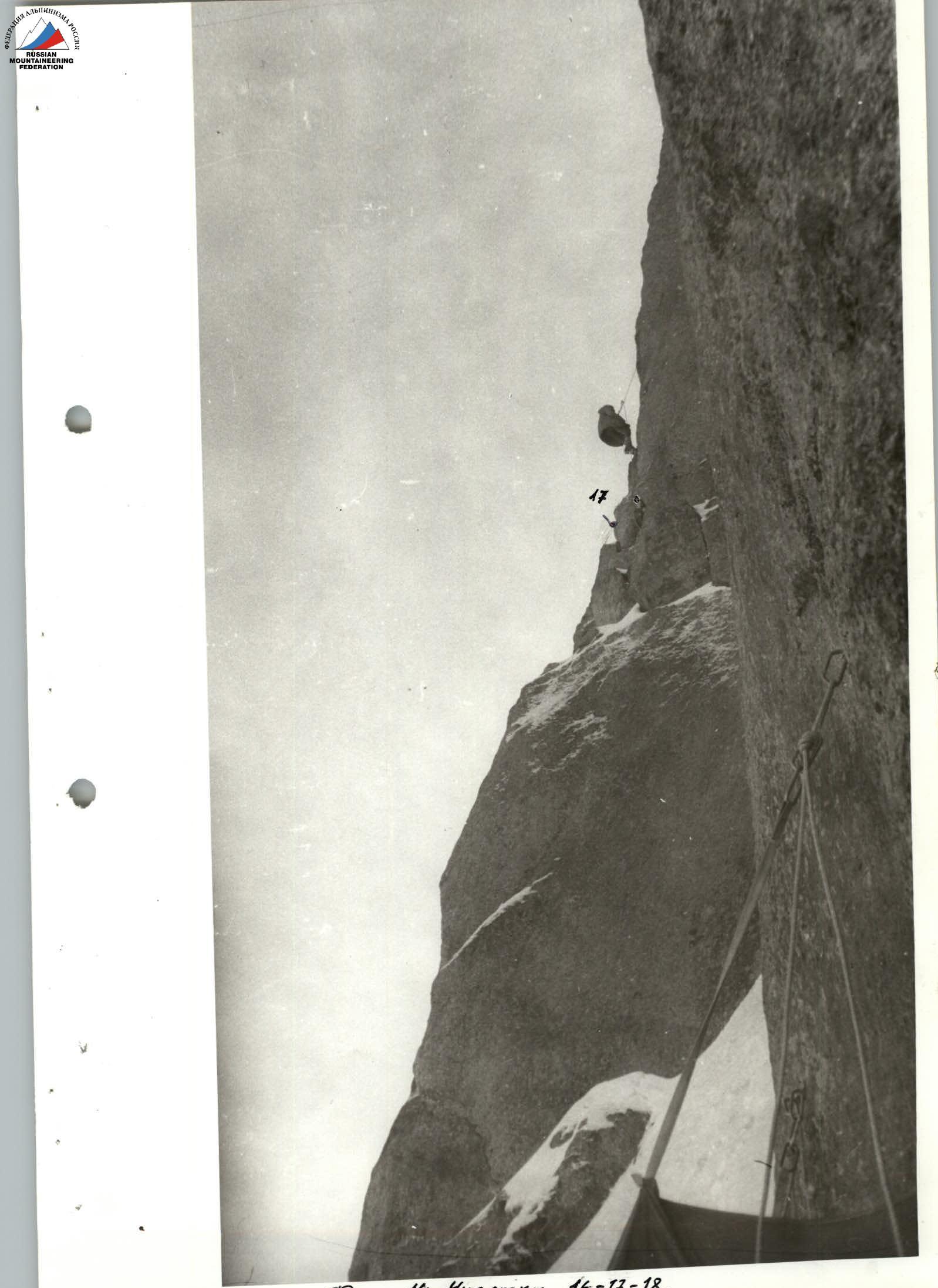
Photo 14. Sections R16–R18.
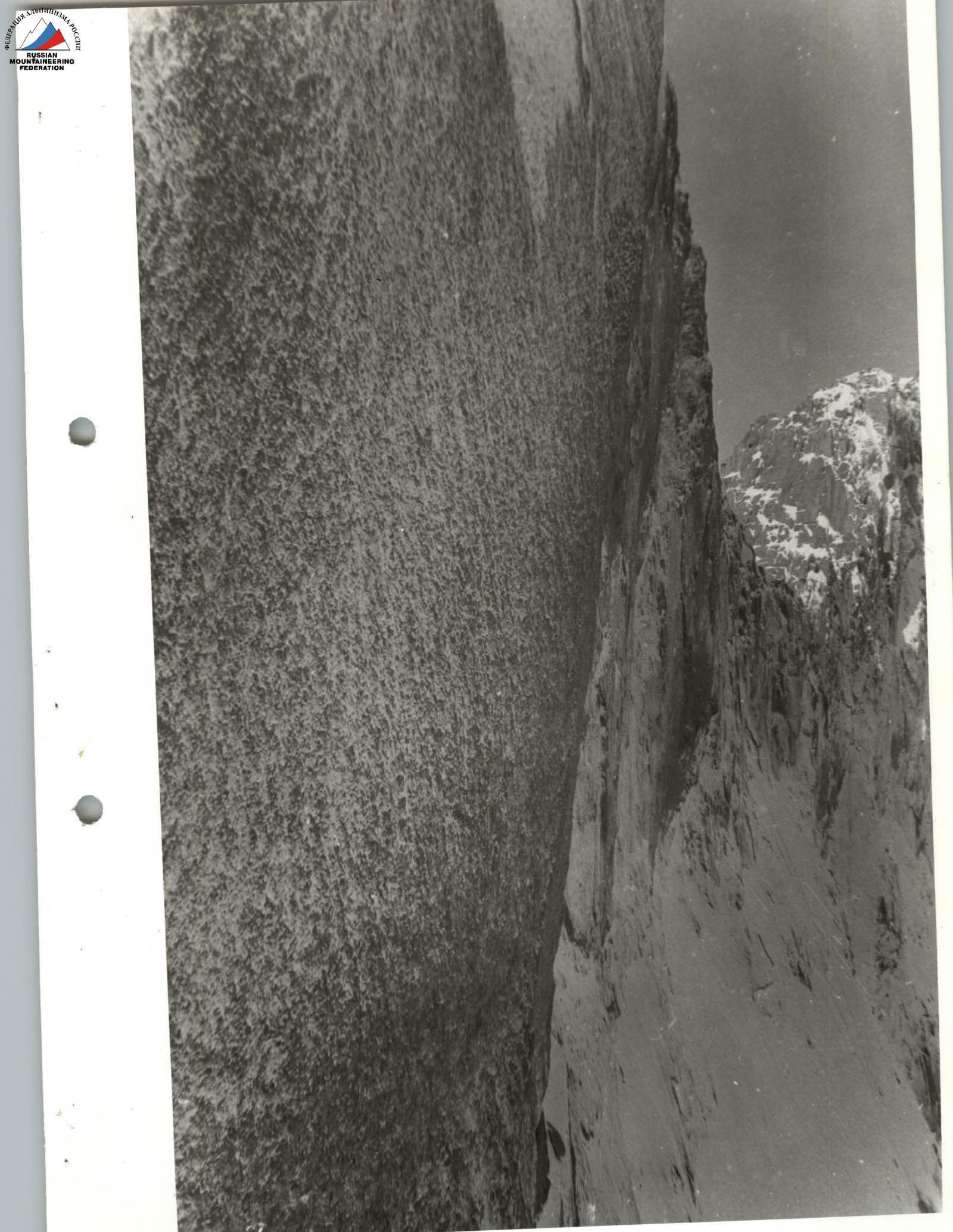
Photo 17. Right part of section R18–R19. The sheer wall, under the influence of snowfall and wind, and subsequent cooling, was covered in snow. In the background — Peak 4810.
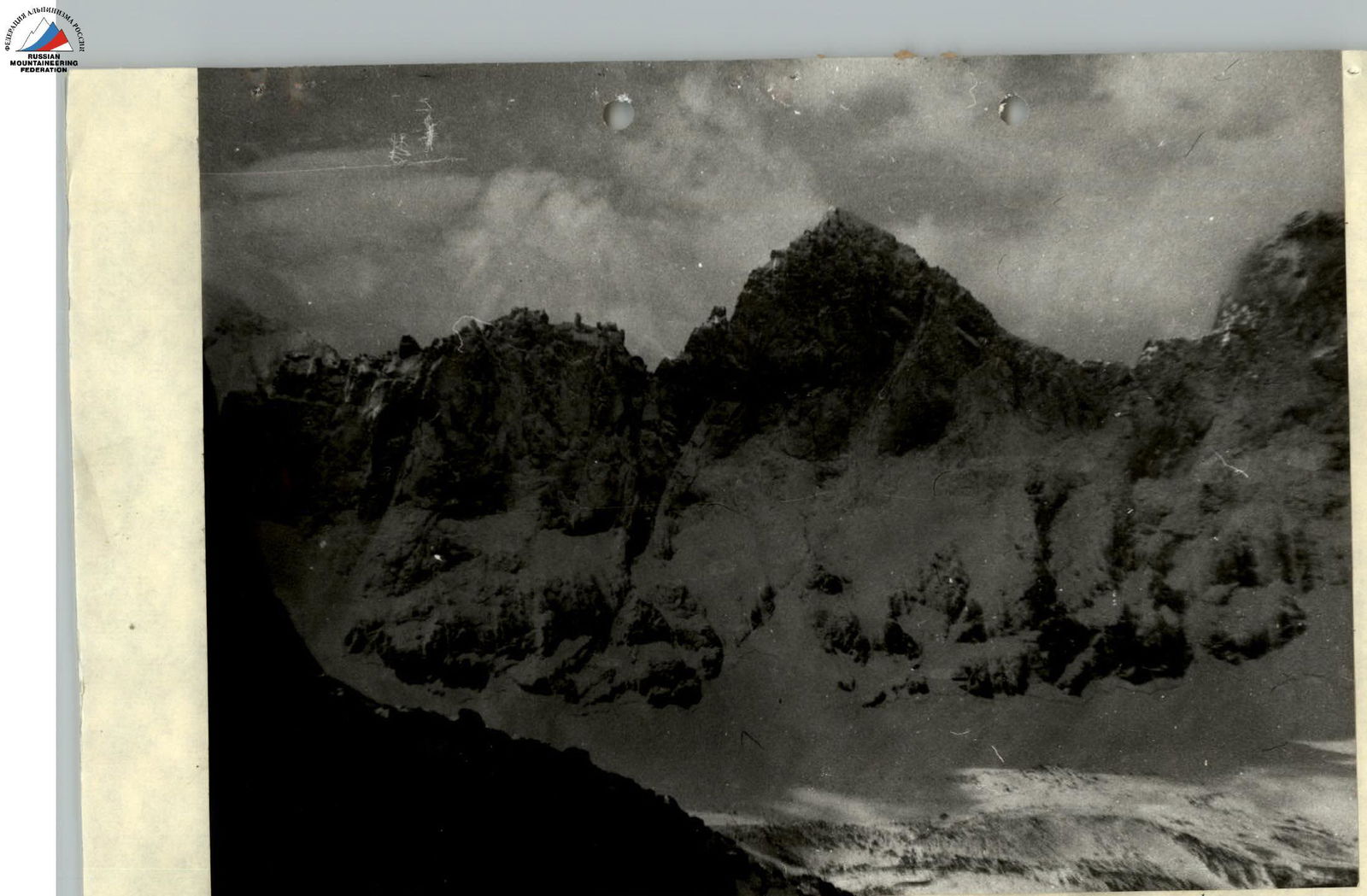
Photo 19. Walls after heavy snowfall. Taken on July 16, 1989 from the slopes of Peak Parus.