
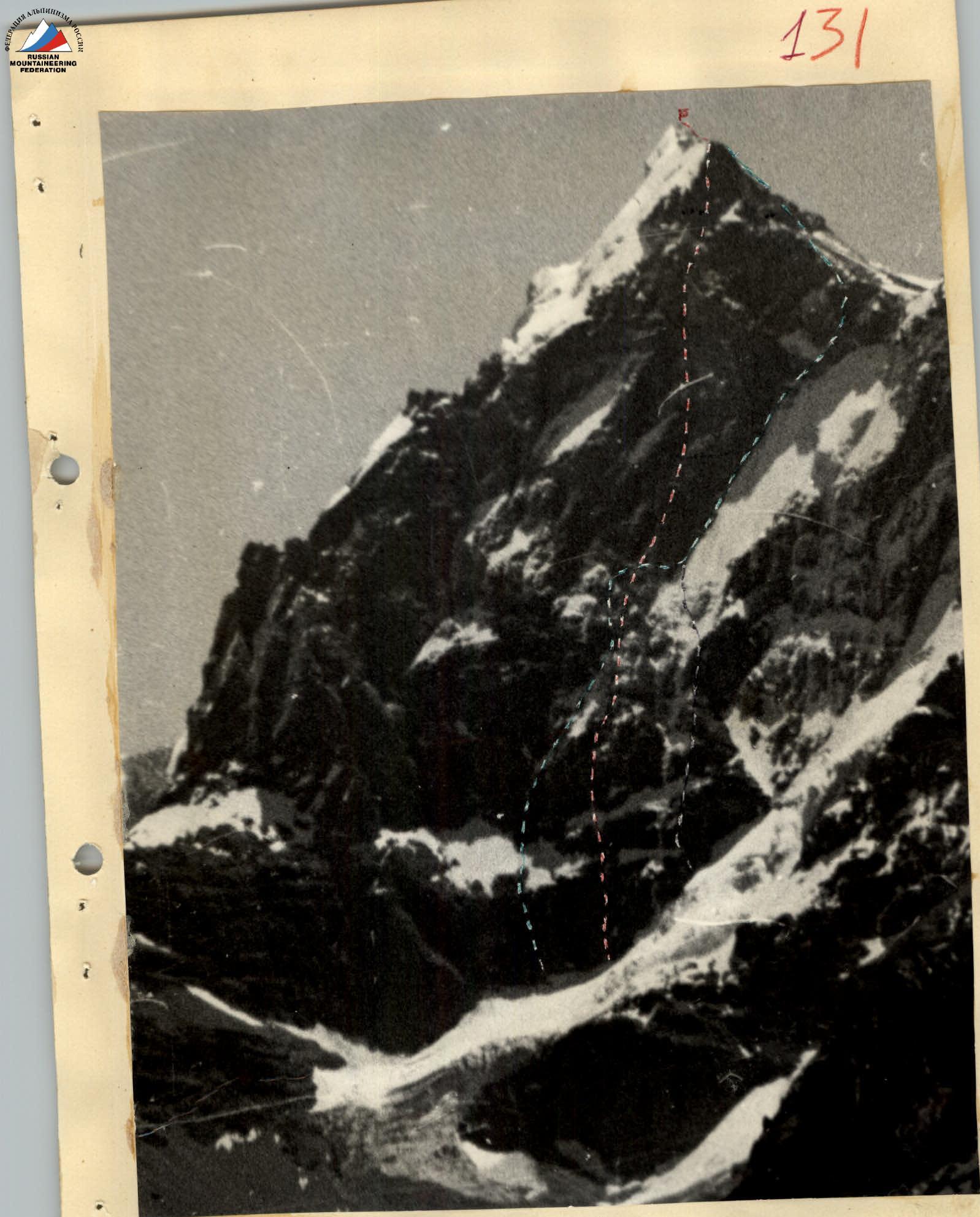
Photo 2. Northwest wall of Chapdara. Sidelnikov's Route 1967. Kiselev's Route 1965.
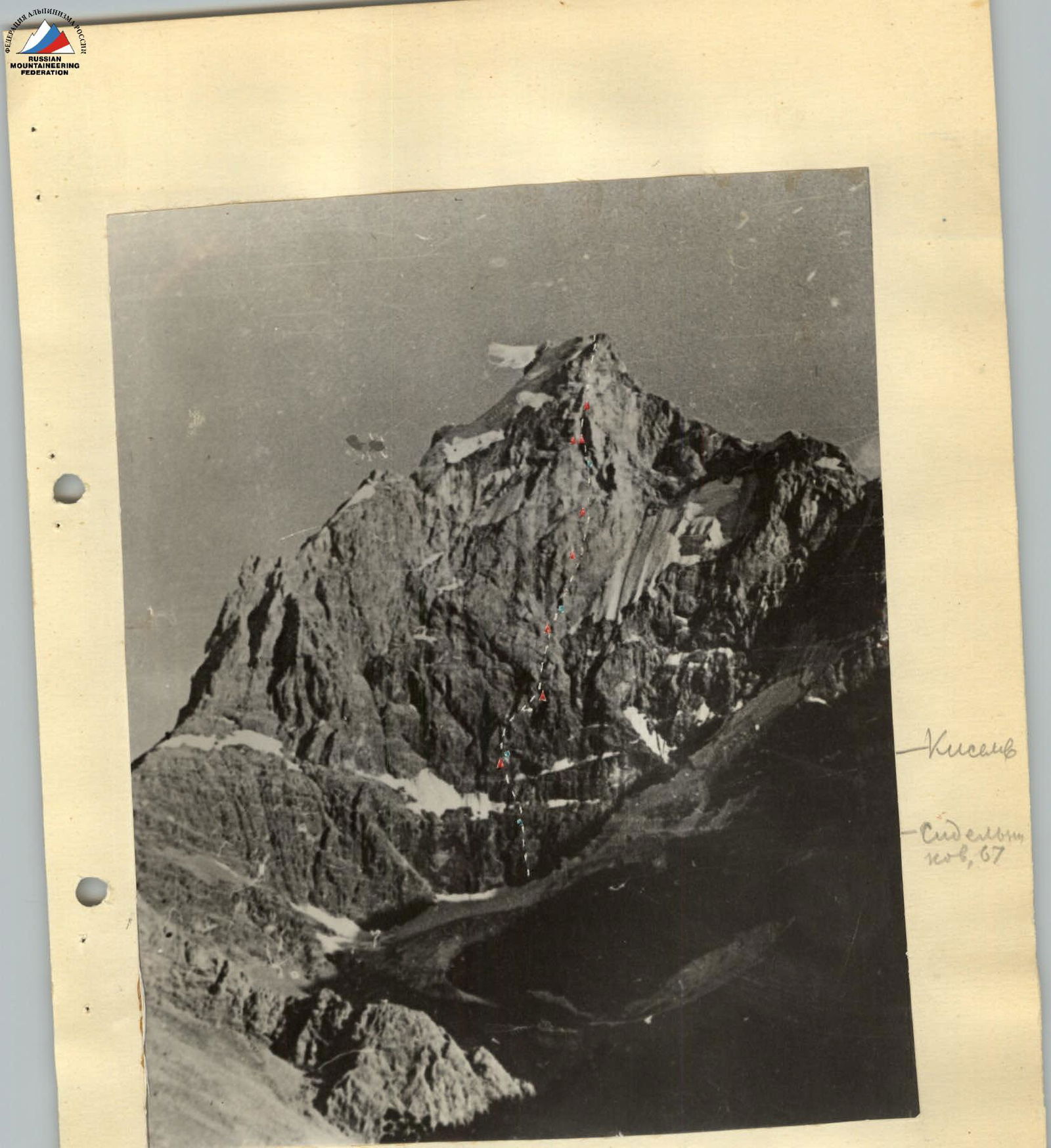
Photo 3. Route to Chapdara summit via northwest wall. Overnight locations. Control tours.
VII. Route Description
First Day — July 28, 1972
The team departed from a/l "Artuch" to the Alaudin Lakes area and set up a base camp. A regime of observing the route was established. The route is heavily snow-covered, but the weather seems to be settling.
Second Day — July 29, 1972
Rest and preparation for the ascent. Equipment and supplies were finalized (see Appendix). Markelov's team flew to Yaghnob; Vasiliev was sent by helicopter to take pictures of the wall. Solonnikov Viktor hiked under Chapdara's wall and chose a location for the assault camp. We observed the route through a telescope.
Third Day — July 30, 1972
The trio consisting of Solonnikov Vladimir A., Antonovskiy Dmitriy, and Miasnikov Vladimir set up a tent under the wall on snow, transported some equipment and supplies there. At 15:00, the group reconvened at the base camp. The most safe and interesting variant for tackling the lower bastion was finally chosen (see the diagram of rockfall-prone areas, Photo 5), and the plan for the upper bastion was refined — they decided to ascend via the inner corner. Personal gear was checked for each participant:
- Miasnikov had to set aside a third pair of woolen socks;
- Miasnikov swapped his 2.5 kg sleeping bag for a "leg" (1 kg).
At 16:00, the processing group departed:
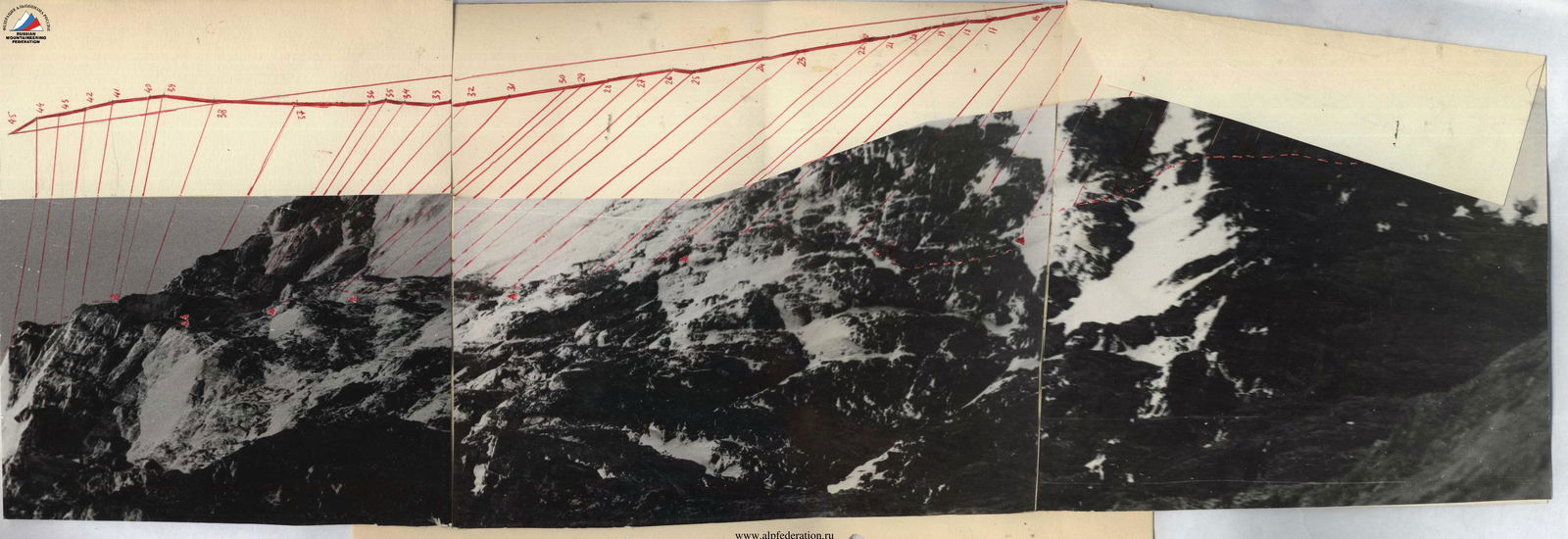
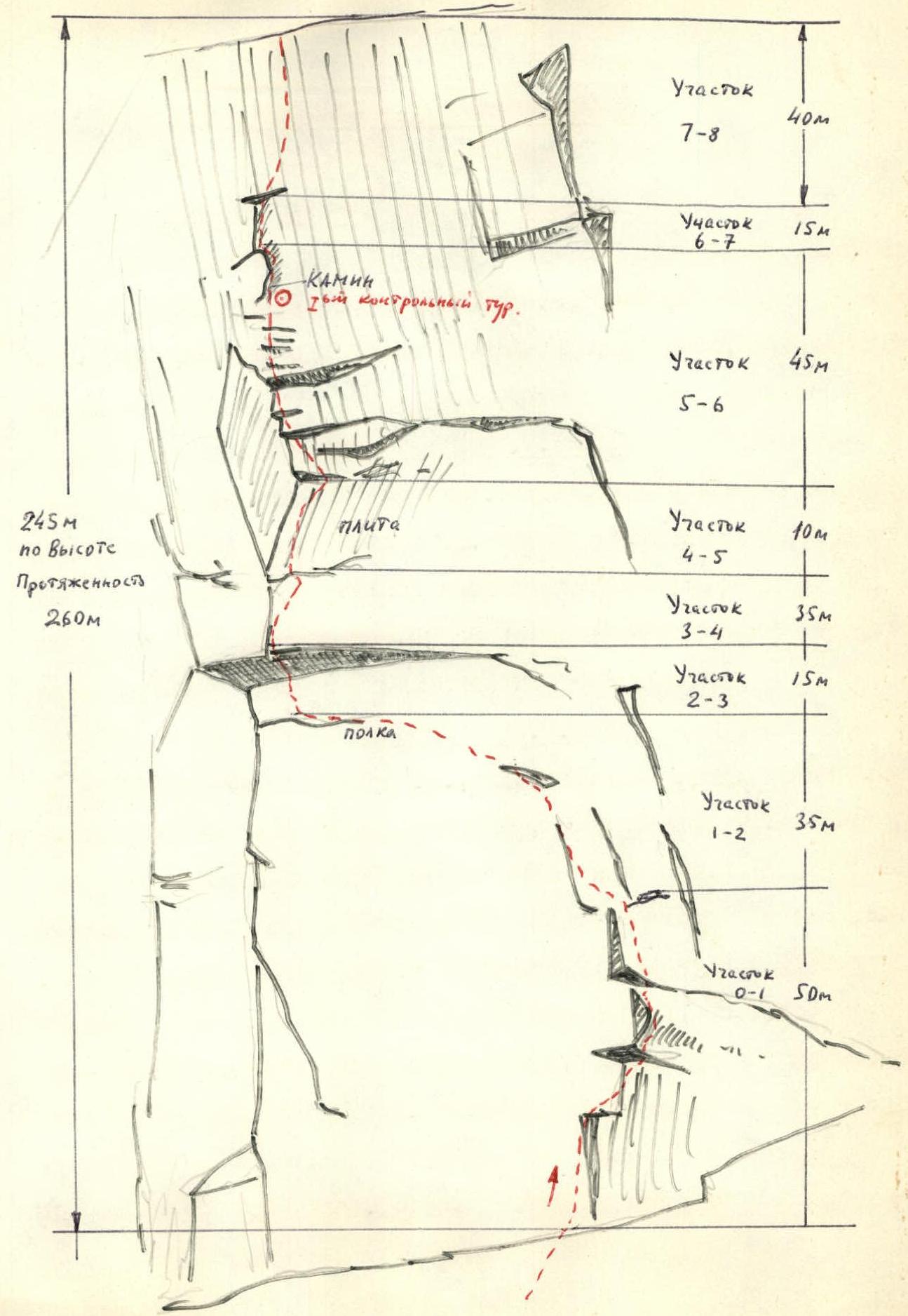
Fig. 1. Lower bastion.
Fourth Day — July 31, 1972 (ascent commencement — processing)
Vasiliev Boris, Solonnikov Viktor, Grachev A.
At 8:00, they began processing the route. After crossing the randkluft, Grachev ascended the wall. The first 10 m — and he's already attached to a hook, leaving his vibram on it and putting on galoshes, which he wore for the entire day. The first rope took over an hour.
- The rocks are smoothed.
- There's a нависающий участок (overhanging section).
- From below, it looks unpleasant: сплошные карнизы (solid cornices).
- For now, they manage with free climbing.
- Hooks every 7–10 m.
- Few трещин (cracks).
- The rock is монолитная (monolithic).
(Photos 6, 7, 8). Further up the wall and then a small chimney transitioning into slabs and a steep наклонная полка (inclined shelf). Another hour — and they're gathered on a small horizontal shelf. Here, they can pull up the backpack. Directly above is 90 m. The overhang is straightforward; backpacks will go easily.
Above them is a карниз (cornice). The sequence of ascent is:
- First, traverse under the карнизом (cornice).
- Hands in щели (cracks), feet on трении (friction) on the wet внутренний угол (inner corner).
- Movement through it via карниз on лесенках (ladders) (Photo 9).
Further up is an отвесный внутренний угол (sheer inner corner). After 15–20 m, a transition to the right внешняя часть угла (outer part of the corner) and upwards to a small shelf. They can stand. This will be the рюкзаков приёма место (backpack receiving point).
Upwards is a плита (slab) leaning against a нависающий пояс (overhanging belt). The path ahead is unclear. It seems they might need to drive шлямбурные крючья (bolt pitons). Still, Vasiliev hammers in two regular крюка (piton) (one is loose) and climbs onto a small ступеньку (ledge). Further progress is halted by a гладкая нависающая стенка (smooth overhanging wall).
It's unclear how Boris is holding on, but he makes a step to the right, bends, and hammers a лепесток (petal) under the карниз, hangs a лесенку (ladder) on it, and sits in it. A brief rest and he's high.
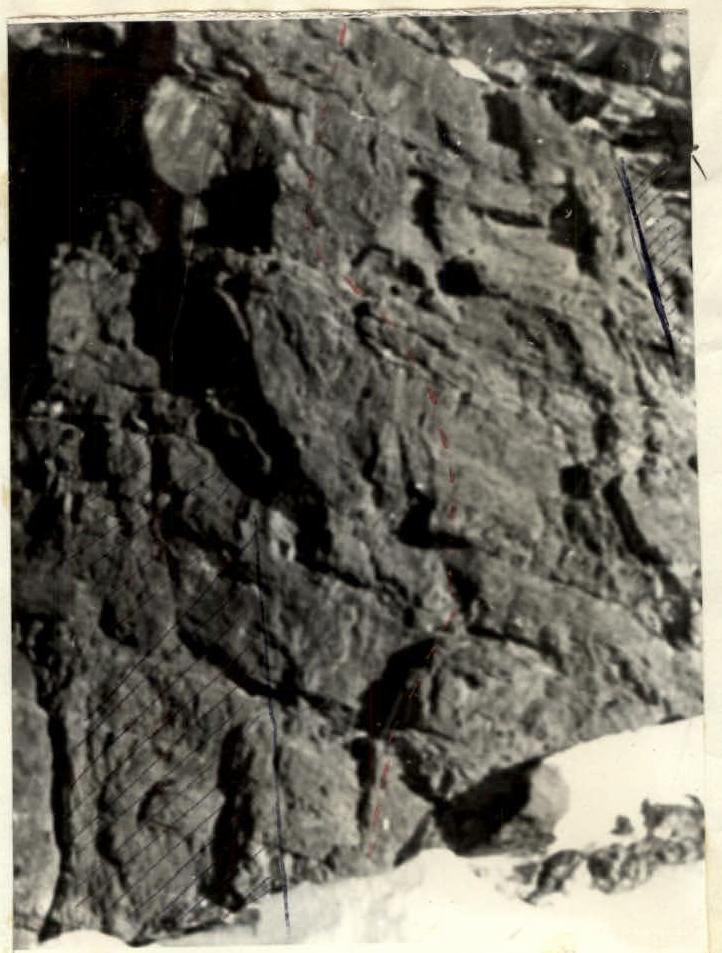
Photo 5. Lower bastion. Rockfall zone.
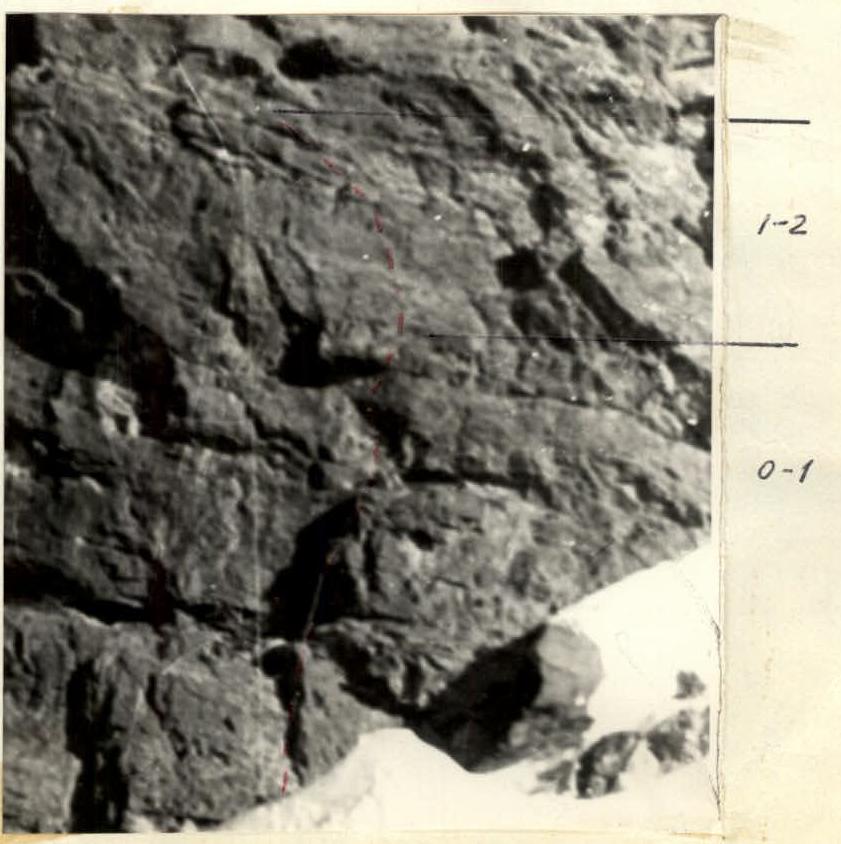
Photo 6. Sections R0–R1, R1–R2. The ropes are visible.
In the щели (crack), another unreliable крюк (piton) is driven into the верёвками (ropes). Further — лазание (climbing) and again лесенки (ladders). A not clearly выраженный (expressed), sometimes нависающий (overhanging) внутренний угол (inner corner).
Straight up — a расщелина (fissure) transitioning into a узкий нависающий камин (narrow overhanging chimney) (Photo 10). From the base of the щели (crack) protrudes a bouquet of flowers. Here is a контрольный тур (control tour). After several failed attempts to reach the start of the щели (crack), they have to drive a шлямбурный крюк (bolt piton).
Finally, Boris squeezes into the камин (chimney) and emerges onto a small полочку (ledge). The fifth верёвка (rope) ends; it's 15:00, time to descend:
- First, лазание (climbing) on верёвкам (ropes);
- Then a 90-meter свободный дюльфер (free rappel);
- And they're already on the other side of the рантклюфта (randkluft).
At 16:00, processing is complete. By evening, the rest of the team and observation group, including Vergilev and Gracheva, arrive.
Fifth Day — August 1, 1972
The first participants departed from the ночёвки (overnight stay) at 6:00. At 7:00, the group began moving along the route. The mood is боевое (combative), and the weather is отличная (excellent). By 11:00, they pass the processed sections. So far, the work is going smoothly. One of the five hung верёвок (ropes) is left for observers. Further, they have 4 × 45 m and 1 × 90 m, and a 90 m репшнур (rappel rope). To the top of the бастион (bastion) is a bit more than a верёвка (rope). When they examined the route through a труба (telescope), the top of the бастион (bastion) seemed проблематичным (problematic): very уж монолитные мокрые скалы (monolithic wet rocks). And now 15 m up the угол (corner) (лесенки and лазание; Photo 11) and further an отвесная стена (sheer wall) more than 40 m with мелкими зацепками (small holds). They recall the скалы in Кузнечном (Kuznechnoe). Very аккуратно (carefully) and внимательно (attentively), Grachev passes this участок (section), managing to drive a few крючья (pitons). Here is a полка (ledge), and вода течёт (water flows). They have a перекусывают (snack), and then continue. Today, they need to pass about 200 m more, and it's already 12:00.
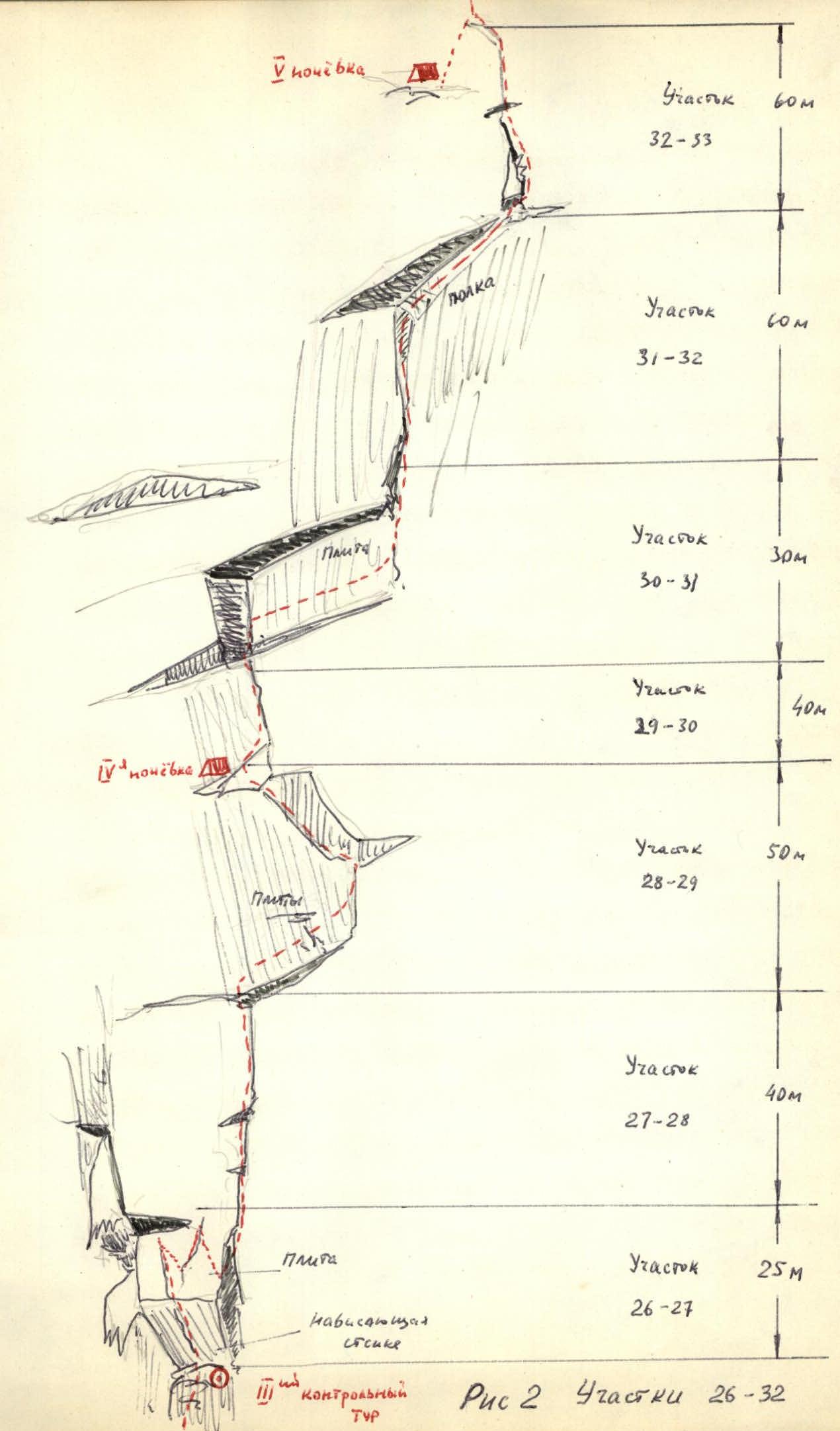
A нависающий пояс (overhanging belt) and further разрушенные плиты (destroyed slabs). The скалы (rocks) are a bit проще (simpler), but опасны (dangerous) (section R8–R9), especially when вытаскивании рюкзаков (pulling up backpacks). Now, a небольшой кусок льда (small piece of ice) and a нависающий угол (overhanging corner) with a сосулькой (icicle), upwards is an внешний угол (outer corner) (section R9–R10). Further, they try to ascend with рюкзаками (backpacks). It turns out to be difficult (section R10–R11). They have to wear ботинки (boots) — upwards is a ледовый склон (ice slope). The лёд (ice) is видимо (apparently) not thick — sometimes камни торчат (stones protrude). They ascend with рубкой ступеней (step cutting) without рюкзаков (backpacks). The место (place) is неприятное (unpleasant), although the крутизна (steepness) is not great — about 50°. Ледовые крючья (ice pitons) come in handy. Under the скалами (rocks) is a небольшая полка (small ledge), защищённая от камней (protected from stones). They ожидали большего (expected more). The first ночёвка (overnight stay) is сидячая (sitting). Six people in a памирке (Pamir tent) is многовато (too many). One person couldn't even fully get in. At 20:00, they have связь (contact) with наблюдателями (observers). Everything is in order for both; so far, всё по плану (everything is on plan), only the ночёвка (overnight stay) is плохая (bad), and they've passed about 500 m of the route. They've driven 59 скальных (rock pitons), 2 ледовых (ice pitons), and 1 шлямбурный крюк (bolt piton) (including the processing day). At the ночёвке (overnight stay), there's a контрольный тур (control tour).
Sixth Day — August 2, 1972
Departure at 8:00; immediately from the палатки (tent), interesting лазание (climbing) (section R12–R13, Photo 15). Very круто (steep) upwards is an внутренний угол (inner corner) with a небольшим карнизом (small cornice) in the middle; скалы (rocks) are мокрые (wet). Even in галошах (galoshes), it's скользко (slippery). Рюкзаки (backpacks) catch on the карниз (cornice) when вытаскивании (being pulled up).
The next верёвка (rope) starts with a плитой (slab) (Photo 14, section R13–R14):
- Свободным лазанием (free climbing), выход (exit) onto a карниз (cornice).
- Further upwards по монолитным плитам (monolithic slabs).
- They have to drive a шлямбурный крюк (bolt piton).
Further up — нависающие разрушенные скалы (overhanging destroyed rocks), and it's not безопасно (safe): камни летят (stones are flying). They have to уйти вправо вверх (move right upwards) (section R15–R16). Very трудный траверс (difficult traverse) по мокрой плите (wet slab) над карнизом (cornice). Крючья бить некуда (no place to drive pitons). Finally, ещё несколько шагов (a few more steps) по ручьям (streams) and по внутреннему углу (inner corner) — выход (exit) onto a узкую полочку (narrow ledge).
Further прямо (straight) up по внутреннему углу (inner corner) and стенке (wall) about 90 m (section R16–R17). Very неудобно (inconvenient) вытаскивать рюкзаки (pulling up backpacks) — they get caught on карнизы (cornices).
Upwards уходит (goes) крутой камин (steep chimney) with живыми камнями (loose stones). They перебило (broke) one верёвку (rope). Luckily, it's близко от края (close to the edge) (section R17–R18). ещё 50 m with рюкзаками (backpacks) (they have to поддерживать (support) them on the верёвке (rope)) — and they're on a небольшая осыпьная полка (small talus ledge) со снегом (with snow).
They устраиваются (settle) for ночёвку (overnight stay); passed about 300 m. Driven 33 скальных (rock pitons) and 1 шлямбурный крюк (bolt piton). The ночёвка (overnight stay) is сносная (tolerable); they'll lie down. They сообщать (inform) наблюдателям (observers) about the route's data. Tomorrow, they решили (decided) to выйти попозже (depart later).
Seventh Day — August 3, 1972
Departure at 10:00. Unpleasant траверс (traverse) влево (left). Further, they go with рюкзаками (backpacks), although they're подтягивают (being pulled up) from above (section R20–R21). Под карнизом (under the cornice), траверс вправо (traverse right), very неприятно (unpleasant). Рюкзаки again вытаскиваются (being pulled up) (section R21–R22). Now, the path is up по системе внутренних углов (system of inner corners). Two нависающих участка (overhanging sections). They have to использовать лесенки (use ladders) (section R22–R23). Upwards уходят нависающие скалы (overhanging rocks). There are no ночёвок (overnight stays) there. They'll устраиваться (settle) on a покрытой льдом плите (ice-covered slab). While the двойка (duo) is навешивает верёвку (hanging the rope) for tomorrow, they build an площадку (platform) for a сидячая ночёвка (sitting overnight stay) from лёд (ice). It turned out to be even полулежачая (semi-reclining) (Photo 16). If there's no стройматериал (building material) — лёд (ice), such a ночёвка (overnight stay) can't be built.
Passed 200 m, driven 20 крючьев (pitons). Всего (in total) за четыре дня (over four days) (including the processing day), they passed about 1 km. They're on the середина (middle) of the wall. This место (place):
- Откуда ещё можно уйти направо (from where you can still go right) по ледовому склону (ice slope), like Сидельников and Киселёв;
- Над ними (above them) — a 900-метровый бастион (900-meter bastion), not уступающий (inferior to) the северо-западной стене Бодона (northwest wall of Bodon) по крутизне (steepness) and протяжённости (length), but видимо (apparently) превосходящий (surpassing) it по сложности (complexity).
From the ночёвки (overnight stay), all this looks внушительно (impressive): типа перевёрнутой лестницы (like an inverted ladder) — наверх уходят ступеньки карнизов (upwards are the steps of cornices), and под всем этим (under all this) — a гигантских размеров нависающий раскрытый жёлтый внутренний угол (gigantic overhanging open yellow inner corner).
In the evening, they have связь (contact), узнают новости (learn the news): Спасский внизу (Spasskiy is down). So far, у них всё по плану (they have everything on plan).
Eighth Day — August 4, 1972
Departure at 8:00, immediately трудное лазание (difficult climbing) 40 m (section R23–R24). They выход (exit) onto a залитый льдом контрфорс (ice-covered counterfort) and ascend it. Today is холодно (cold). In галошах (galoshes), ноги сильно мёрзнут (feet freeze badly). On the контрфорсе (counterfort) — живые камни (loose stones) (section R25–R26). Лазание (climbing) is трудное (difficult). Very тяжело (hard) вытаскивать рюкзаки (pulling up backpacks) — they get caught on нависающие участки (overhanging sections).
Before them — a нависающая стена (overhanging wall). Here, they складывают (set up) a контрольный тур (control tour). Над ними (above them) — a пояс карнизов (belt of cornices), which stopped the Сидельникова team. По поясу (along the belt) goes a щель (cleft), but further путь неясен (path is unclear). Is there a выход (exit) there?
- По нависающему участку (along the overhanging section), движение (movement) на лесенках (ladders) (section R26–R27, Photo 17).
- Further — a монолитная плита (monolithic slab). Выход (exit) onto the плита (slab) from the нависающего участка (overhanging section) is very сложен (complex) (Photo 17).
- Through 15 m, щель на плите (cleft on the slab) сходит на нет (disappears).
- Grachev asks to закрепить верёвку (secure the rope) and маятником (swings) уходит на 3 m вправо (right).
- Again подъём (ascent), again щель кончается (cleft ends), and again маятник (pendulum).
- With трудом (with difficulty), он выходит (he exits) onto the внешнюю часть угла (outer part of the corner) and исчезает (disappears).
After 1 ч 30 мин (1 hour 30 minutes), they узнают (learn): выход есть (there is an exit) — 40 m предельного лазания (extreme climbing) and a небольшая полочек (small ledge), on which you can't even stand, but сидя в лесенках (sitting in ladders), they вытаскивают (pull up) рюкзаки (backpacks).
Now, the путь (path) is вправо и вверх (right and up) — траверс (traverse) по мокрым плитам (wet slabs), крючья бить некуда (no place to drive pitons). Then ещё верёвка (another rope) — and they're on a небольшая наклонная плита (small inclined slab), covered in лёд (ice).
- Again, двойка (duo) обрабатывает (processes).
- The rest развёртывают (unfold) строительные работы (construction work).
But they manage to build only a сидячая ночёвка (sitting overnight stay) (Photo 18).
За 10 ч (in 10 hours), they passed more than 250 m. The начало (start) of the бастион (bastion) is тяжёлое (heavy). Unpleasant is the большая заглаженность рельефа (great smoothness of the relief). That день (day), they drove 35 крючьев (pitons). Связь (contact) with наблюдателями (observers) is хорошая (good). Погода портится (weather is deteriorating). From continuous вытаскивания рюкзаков (pulling up backpacks), ребята сильно устали (guys got very tired), and отдых (rest) isn't great.
Ninth Day — August 5, 1972
Again, выход (departure) at 8:00. Today, they должны (must) подойти (approach) под угол (under the corner). It смотрится (looks) устрашающе (intimidating) from below. Подъём (ascent) вверх (up) along the нависающему поясу (overhanging belt), sometimes нависающие участки (overhanging sections) (section R33–R34).
Further путь (path) is преграждает (barred) by a гигантский карниз (gigantic cornice). По щели (along the cleft), обход слева (detour to the left) of one карниза (cornice) and по мокрой отвесной плите (wet sheer slab), траверс (traverse) под second and под first карнизом (under the second and first cornice) метров 15. Крючьев here на плите (on the slab) забить некуда (no place to drive). Лазание (climbing) is very неприятное (unpleasant) (section R30–R31).
After the плита (slab) — выход (exit) вверх влево (upwards to the left) по внутреннему углу (inner corner). Further идёт (goes):
- Широкий камин (wide chimney) and щель (cleft), in the upper part of which — a нависающий участок (overhanging section);
- Справа (to the right) — an отвесная стена (sheer wall), по которой (along which) идут рюкзаки (backpacks go) (Photo 20);
- ещё отвесный участок (another sheer section) (Photo 20);
- По небольшой наклонной полке со льдом (along a small inclined ledge with ice) — уход вправо ещё 30 m.
Upwards уходят (go) две слегка нависающие сначала щели (two slightly overhanging clefts at first), забитые живыми камнями (filled with loose stones). Then плита (slab) and again нависающий участок (overhanging section) (Photo 19, section R32–R33).
Already около (around) 3:00. Further вверх (upwards) is an отвесная стена (sheer wall). To the угол (corner) is about 100 m. Надо (need to) искать (look for) место (place) for ночёвка (overnight stay). Внизу слева (down to the left) — a небольшая полочек (small ledge). Солонников Виктор спускается (descends) туда дюльфером (by rappel) (20 m). And soon, the whole группа (group) собирается (gathers) там (there) (Photo 21). The полка (ledge) is маленькая (small), but сидячая (sitting) — ночёвка получится (overnight stay will be).
They start working. The двойка (duo) Васильев — Грачев должна (must) today дойти (reach) до угла (to the corner). Ребята настроены (guys are настроены) по-боевому (in a combat-ready manner). До ночёвки (by overnight stay), they passed 200 m. Driven 27 крючьев (pitons). Плохо (bad) that again there won't be полноценного отдыха (full rest).
The двойка (duo) вернулась (returned) около (around) 19:00. They passed-таки (managed to pass) две верёвки (two ropes) (90 m). Лезут (climbing) they блестяще (brilliantly) (Photo 22). Again, понадобились (were needed) деревянные клинья (wooden wedges) and лепестки (petals). Ребята довольны (guys are satisfied): лазание (climbing) is предельное (extreme), but выход (exit) in the угол (corner) есть (exists).
Will be сложно (complicated) with вытаскиванием рюкзаков (pulling up backpacks) — полок нет совсем (no ledges at all), зато есть (but there are):
- Два карниза (two cornices);
- Very маленькие зацепки (small holds) on the отвесной плите (sheer slab).
In the evening, they узнают (learn): прогноз плохой (forecast is bad). They обсуждают (discuss) варианты (options) движения (movement) на завтра (for tomorrow). Видимо (apparently), придётся (will have to):
- Вытаскивать рюкзаки на лесенках на 30 m;
- Решать вопрос с ночёвкой (decide on overnight stay).
They ещё раз (once again) обсуждают (discuss) проблему камнеопасности (issue of rockfall danger): в углу (in the corner), деваться некуда (nowhere to go), and живые камни (loose stones) встречаются (are encountered). Возможно (possibly), will спасать (save) отвесный and нависающий рельеф (sheer and overhanging terrain).
Tenth Day — August 6, 1972
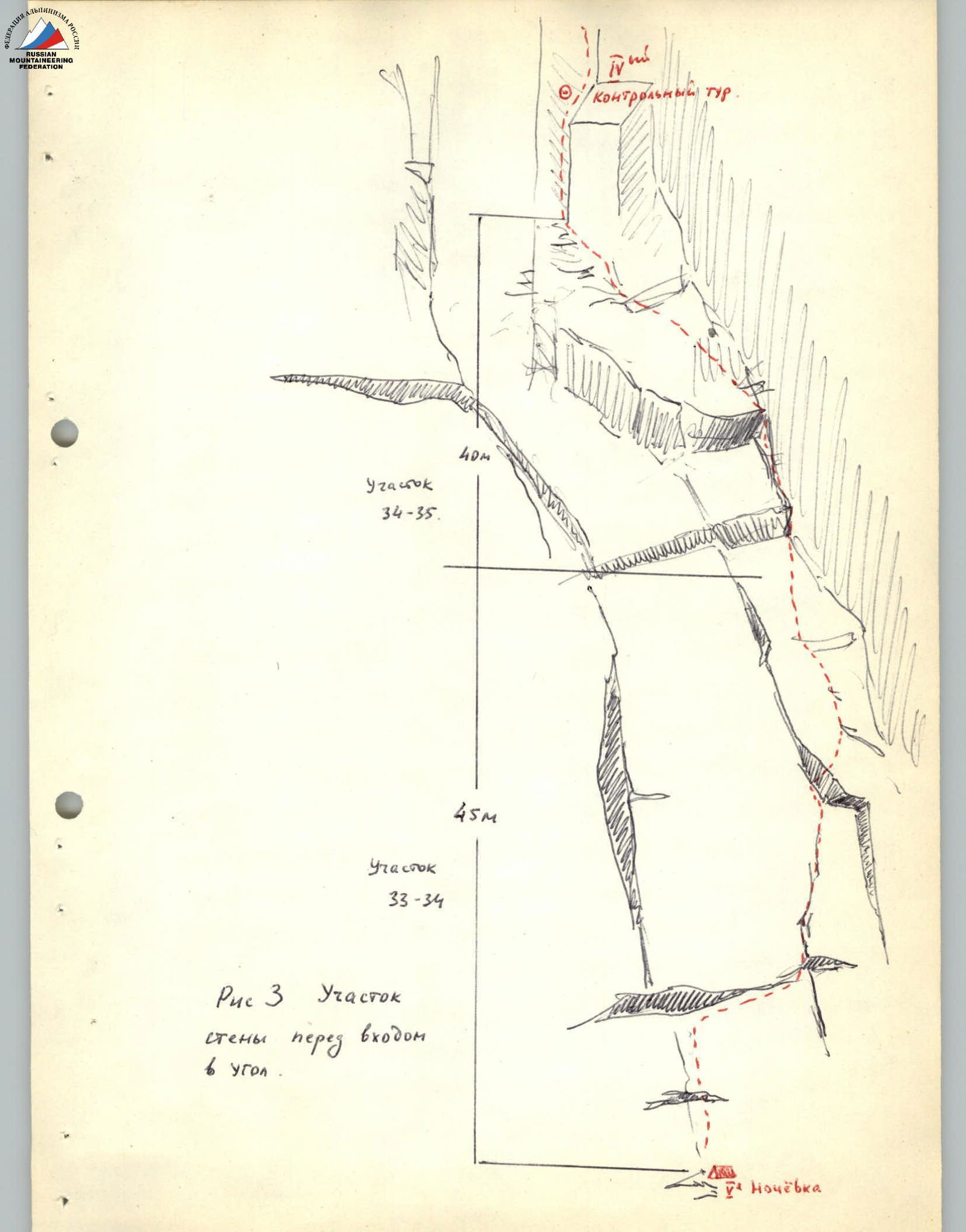
Again, выход (departure) at 8:00. Режим у них (their regime) is already established. 45 m по отвесным плитам (along sheer slabs) (see Fig. 3, Photo 23, 25) — участок R33–R34. Further карниз (cornice) — проходится (is passed) на лесенках (on ladders) (Photo 24). Then вверх и влево (up and left) по отвесной плите (sheer slab). Порода крошится (rock is crumbling). Through нависающий участок (overhanging section), they выход (exit) to the начало (start) of the внутренний угол (inner corner). Участники развесились (participants are hanging) on обработанных верёвках (processed ropes) (Photo 23). Да (yes), yesterday ребята поработали (guys worked), but today is ненамного легче (not much easier).
In the начале угла (start of the corner), трое висят (three are hanging) один под другим (one below the other), and on the верёвке (rope), уходящей (going) между ног (between legs), вытаскивают (pull up) рюкзаки (backpacks). Very неудобная ситуация (uncomfortable situation). From below, it seemed that через 15–20 m after the start of the угол (corner), there will be a полка (ledge). Вот (here) Vasiliev is already там (there): приходится (has to) бить шлямбурный крюк (drive a bolt piton) — стоять негде (nowhere to stand), «полка» (ledge) with наклоном (slope) 70° and covered in лёд (ice). Here will be a контрольный тур (control tour).
Further:
- ещё 15 m вверх по щели (up the cleft) — угол кончается (corner ends); надо траверсировать (need to traverse) влево (left) in the основной широкий угол (main wide corner) (Photo 26, section R36–R37).
- Несколько метров (a few meters) на лесенках (on ladders) and again лазание (climbing).
- В углу (in the corner), широкая щель (wide cleft), but круто (steep) — приходится сдваивать (double) деревянные клинья (wooden wedges).
- Прекрасный вид (beautiful view) внизу (below) on their ночёвку (overnight stay) (Photo 25).
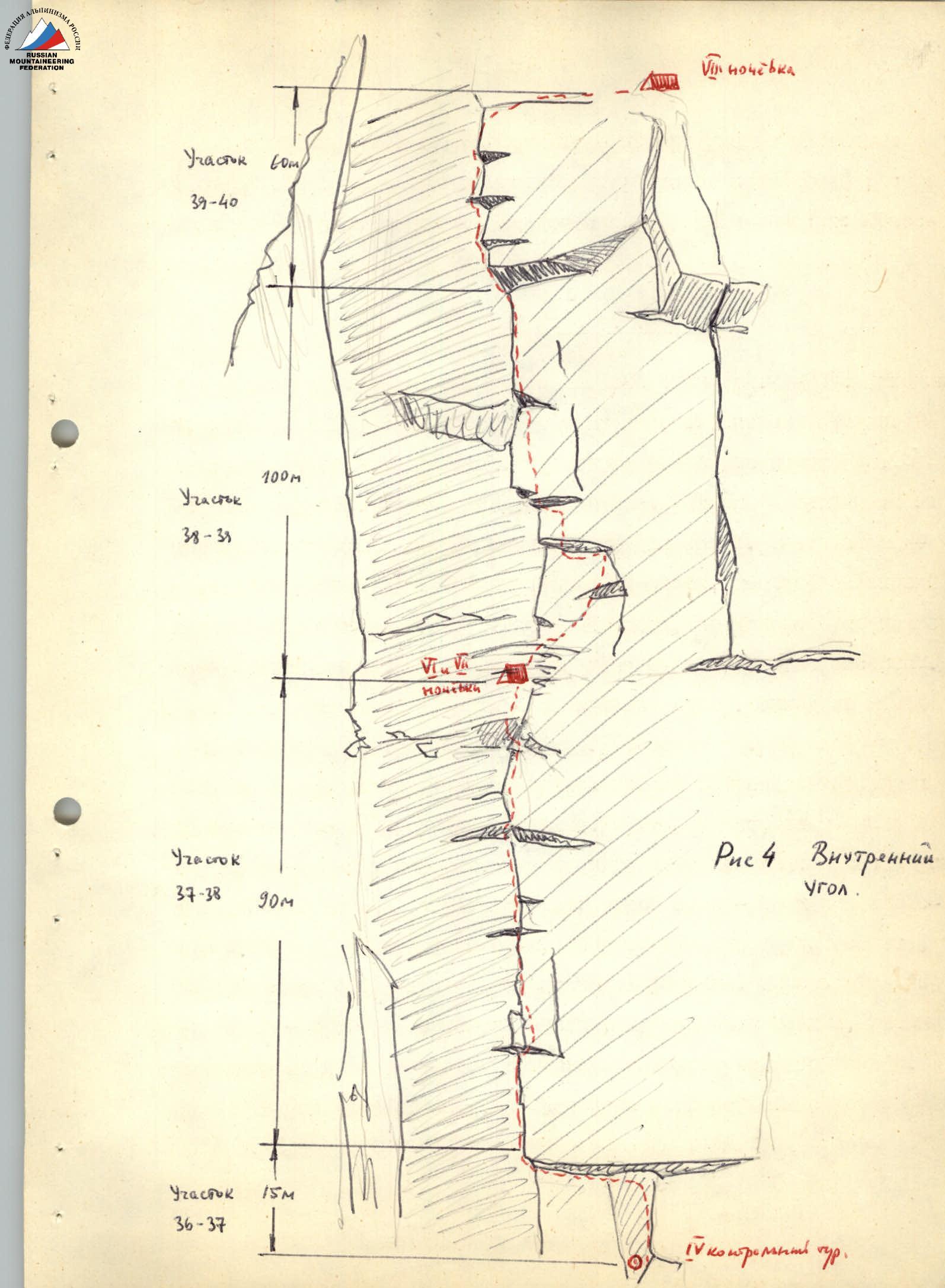
- Вверх (upwards) — very трудное лазание (difficult climbing) (Fig. 4, Photo 27, 28, 29).
- Нависающая живая плита (overhanging live slab) величиной (size) с письменный стол (writing desk) обходится (is bypassed) справа (to the right) по мелким зацепкам (small holds) (section R37–R38).
They're on the середина (middle) of the угол (corner). Here is a графитовый пояс (graphite belt). They pass a серия карнизов (series of cornices). The пояс (belt) по высоте (in height) is about 30 m. Further снова нависающий монолит (again overhanging monolith). Grachev идёт (goes) наверх (upwards), and all собираются (gather) in the районе графитового пояса (area of the graphite belt). The last вылезают (climb out) по свободно висящей верёвке (freely hanging rope). Идёт снег (it's snowing). Надо устраиваться (need to settle) for ночёвку (overnight stay).
Upwards уходит (goes) 100-метровый жёлто-белый монолитный угол (100-meter yellow-white monolithic corner), закрытый сверху (closed from above) трёхметровым карнизом (three-meter cornice). По правой стене (along the right wall) идёт щель (cleft) шириной (width) 12–16 cm, but очень круто (very steep). Крючья бить некуда (no place to drive pitons). Грачёв ухитряется (manages) идти лазанием (by climbing). Неужели придётся (will they have to) бить шлямбурные крючья (drive bolt pitons)? Да у них их и немного (they don't have many) (about 10 шт) (pcs.).
They organize ночёвку (overnight stay), but together всем не собраться (they can't all gather). There's a полочек (ledge), but крутизной (steepness) около (around) 50°, and ноги будут висеть (legs will be hanging). But there's nothing better. Приходится (have to) вешать гамак (hang a hammock) and лесенки (ladders). Двое устраиваются (two settle) in the гамак (hammock) на лесенках (on ladders) на расстоянии (at a distance) 10 m from the rest. Grachev спустился (descended). Passed 45 m. На пределе (at the limit). Как будет дальше (how it will be further) — непонятно (unclear).
На улице (outside) метель (blizzard). Ночёвка неудобная (overnight stay is uncomfortable), and холодно (cold). Прогноз опять плохой (forecast is bad again), but they надеются (hope) на утро (for morning). Today, they passed about 200 m, забили (drove) 42 крюка (pitons), and ещё обработали (processed) верёвку (rope). If there's погода (weather), they должны (must) завтра (tomorrow) пройти угол (pass the corner).
Eleventh Day — August 7, 1972
Всю ночь (all night) идёт снег (it's snowing). Метель продолжается (blizzard continues) утром (in the morning) and днём (during the day). At 9:00, they вылезают (climb out) and try to make a более удобную ночёвку (more comfortable overnight stay). Идти вверх (going upwards) is невозможно (impossible). They закрепляют (secure) камни крючьями (stones with pitons) and верёвкой (rope), вешаю палатку (hang a tent), под неё (under it) подводим гамак (bring in a hammock). Can с трудом сидеть (sit with difficulty), although and практически друг на друге (practically on top of each other), but together, and так теплее (and so warmer). Питание (nutrition) приходится ограничить (limit), but бензина много (there's a lot of gasoline) and питья вдоволь (drinking water is plentiful). Мучат бытовые неудобства (domestic inconveniences are tormenting).
Настроение неплохое (mood is not bad). They обсуждают (discuss) движение (movement) завтра (tomorrow), если будет погода (if there's weather). Вид из палатки (view from the tent) ужасный (terrible) — снег literally залепил скалы (covered the rocks). In the evening, наблюдатели (observers) подбадривают (encourage) them. They're very обеспокоены (concerned) about their положение (situation). This вопрос (issue), видимо (apparently), обсуждается (is being discussed) в «широких кругах» (in "wide circles") on Алаудинских озёрах (Alaudin Lakes).
Twelfth Day — August 8, 1972
At 6:00, Солонников (Solonnikov) announces that погода отличная (weather is excellent) and надо шевелиться (need to get moving). На улице (outside) — от –15 °C до –20 °C. By 8:00, they выход (depart). How to лезть (climb) in галошах (galoshes) in such холод (cold)? But иначе нельзя (otherwise, it's not possible). За 3 ч (in 3 hours), Vasiliev passes the обработанное (processed section) and ещё две верёвки (two more ropes). Пройден карниз (cornice passed) and ещё два карниза (two more cornices) — снизу they не видны (not visible from below) — and, finally, ещё through 40 m, он выходит (he exits) на верх угла (top of the corner). By this moment, все уже развесились (everyone is already hanging) по стене (on the wall) (Photo 30, section R38–R39) and вытащили рюкзаки (pulled up backpacks) on 90 m (again в лесенках) — лазание (climbing) is very сложное (complex). Крючья удается забить (manage to drive pitons) метров через 10 m. Участки и нависают (sections both overhang) and по перилам идут (go along the handrail) по висящей верёвке (hanging rope). For вытаскивания рюкзаков (pulling up backpacks), забит один шлямбурный крюк (one bolt piton is driven); 100 m предельного лазания (extreme climbing) and выход (exit) through карниз (cornice). А Vasiliev is already on the снежный плечико (snowy shoulder) над углом (above the corner). Begins пурга (snowstorm). Лицо покрывается коркой (face is covered with a crust) изо льда и снега (of ice and snow). Very мёрзнут руки и ноги (hands and feet are freezing). Приходится прыгать в лесенках (have to jump in ladders) during страховки (while belaying). Быстрее наверх (faster upwards). Верёвка заледенела (rope is frozen), and зажимы держат неважно (belay devices don't hold well), but по рельефу идти (going by terrain) is практически невозможно (practically impossible). Как Vasiliev прошёл (passed) these два карниза (two cornices) — непонятно (unclear). Further отвесный угол (sheer corner). Всё залеплено снегом (everything is covered in snow) (Photo 32, section R39–R40). On the last верёвке (rope), рюкзаки вытаскивают очень быстро (backpacks are pulled up very quickly) — need to ставить палатку (set up a tent). 16:00 — выглянуло солнце (sun came out), but сильный ветер (strong wind