PASSPORT
- Technical class
- Caucasus, Mijirgi gorge
- Peak Krumkol 4676 m via the left part of the North face
- Difficulty category — 5B, 2nd ascent
- Elevation gain — 1576 m, length — 1935 m
Length of sections with 5–6 difficulty category — 875 m, including 175 m of 6th category. Average steepness of the wall section — 55°
- Pitons hammered in:
| Rock | Bolted | Nuts | Ice |
|---|---|---|---|
| 118 | – | 59 | 129 |
| 19 | 2 | 5 | 1 |
- Team's travel time — 42 hours, 4 days
- Overnight stays: 1st sitting in a tent, 2nd sitting, all separate, 3rd lying in a tent on the ridge
- Leader: Sdobnikov Evgeny Yuryevich, Candidate Master of Sports
Team members: * Alparov Anvar Nurgalievich, Candidate Master of Sports * Kurbatov Igor Alexandrovich, Candidate Master of Sports * Shcherbakov Alexander Ivanovich, Candidate Master of Sports 10. Team of Moscow City Organization of the Student Sports Society "Burevestnik"
Coach: Kurbatov Igor Alexandrovich.
11. Departure to the route: July 13, 1985
Summit: July 16, 1985
Return: July 17, 1985
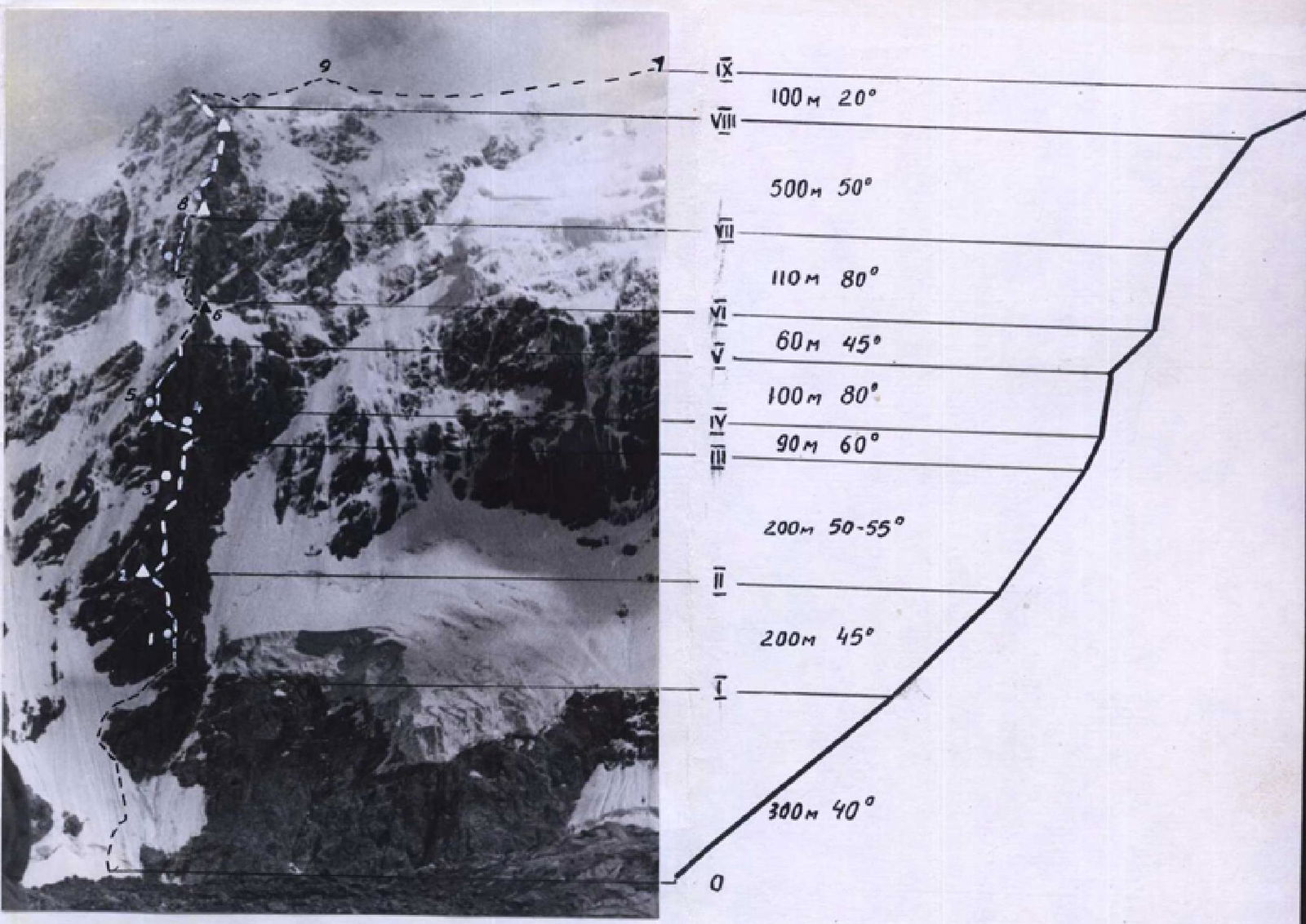
Legend
- Group's ascent route
- Most challenging sections of the route
- Overnight stays
- Summit
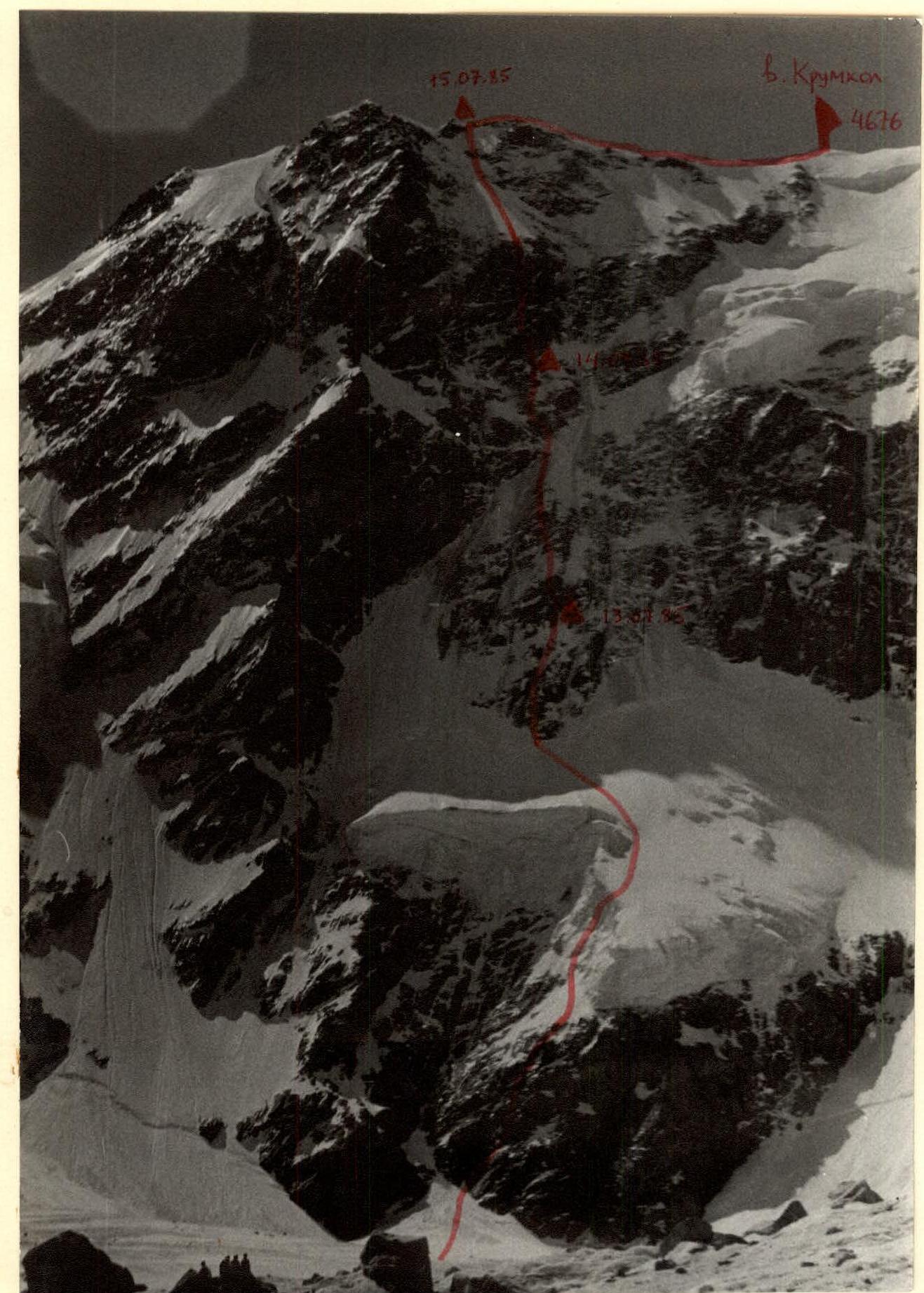
Photo 1. June 29, 1985, 10:30. Lens: Helios-44. Distance: 2 km. Height: 2900 m.
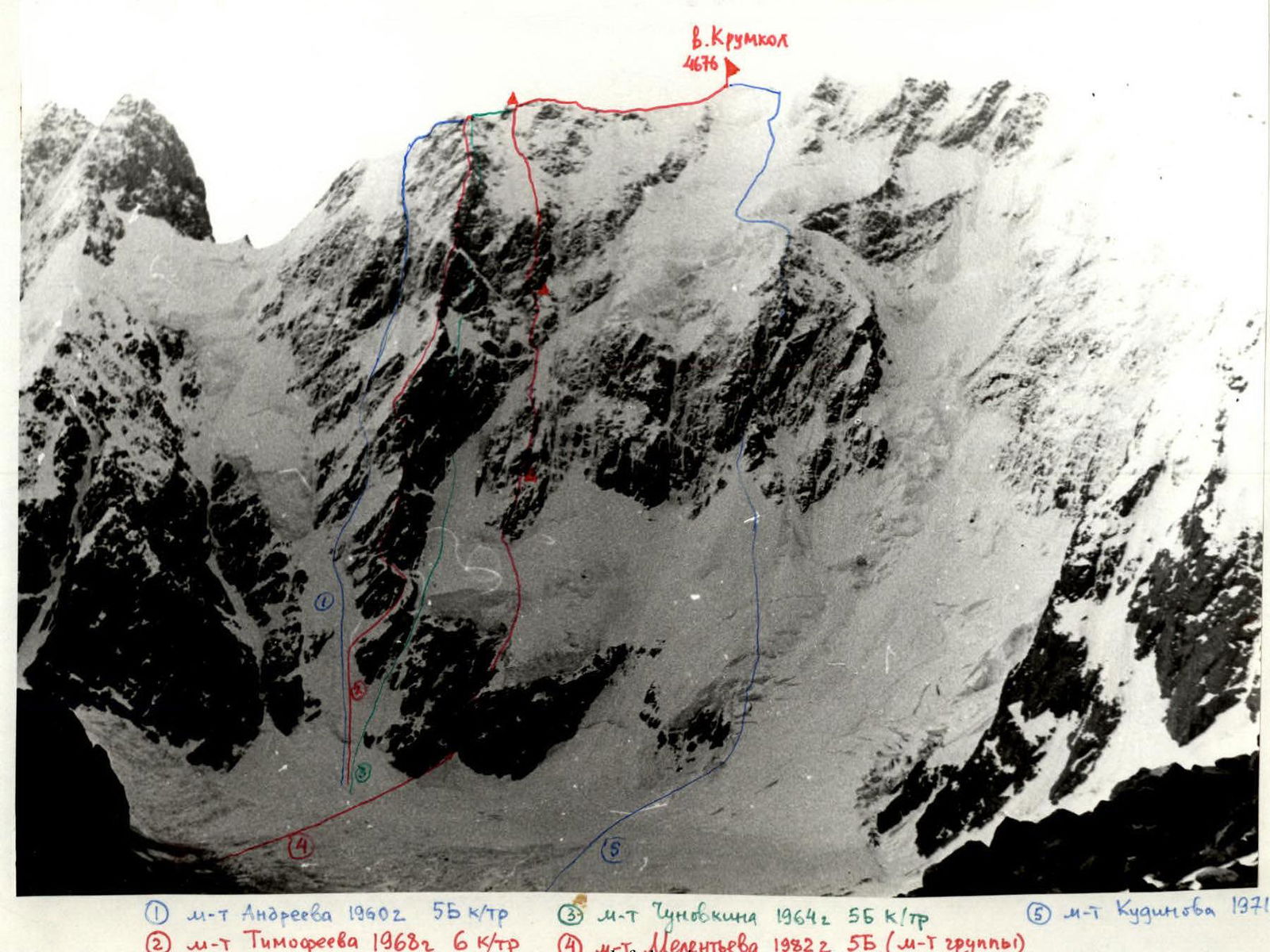
Photo 4. July 13, 1984, 10:00. Lens: I-50. Distance: 7 km. Height: 3600 m.
(1) Andreev's route, 1960, 5B category
(2) Timofeev's route, 1968, 6 category
(3) Chunovkin's route, 1964, 5B category
(4) Melentyev's route, 1982, 5B (team's route)
(5) Kudinov's route, 1971, 5B category
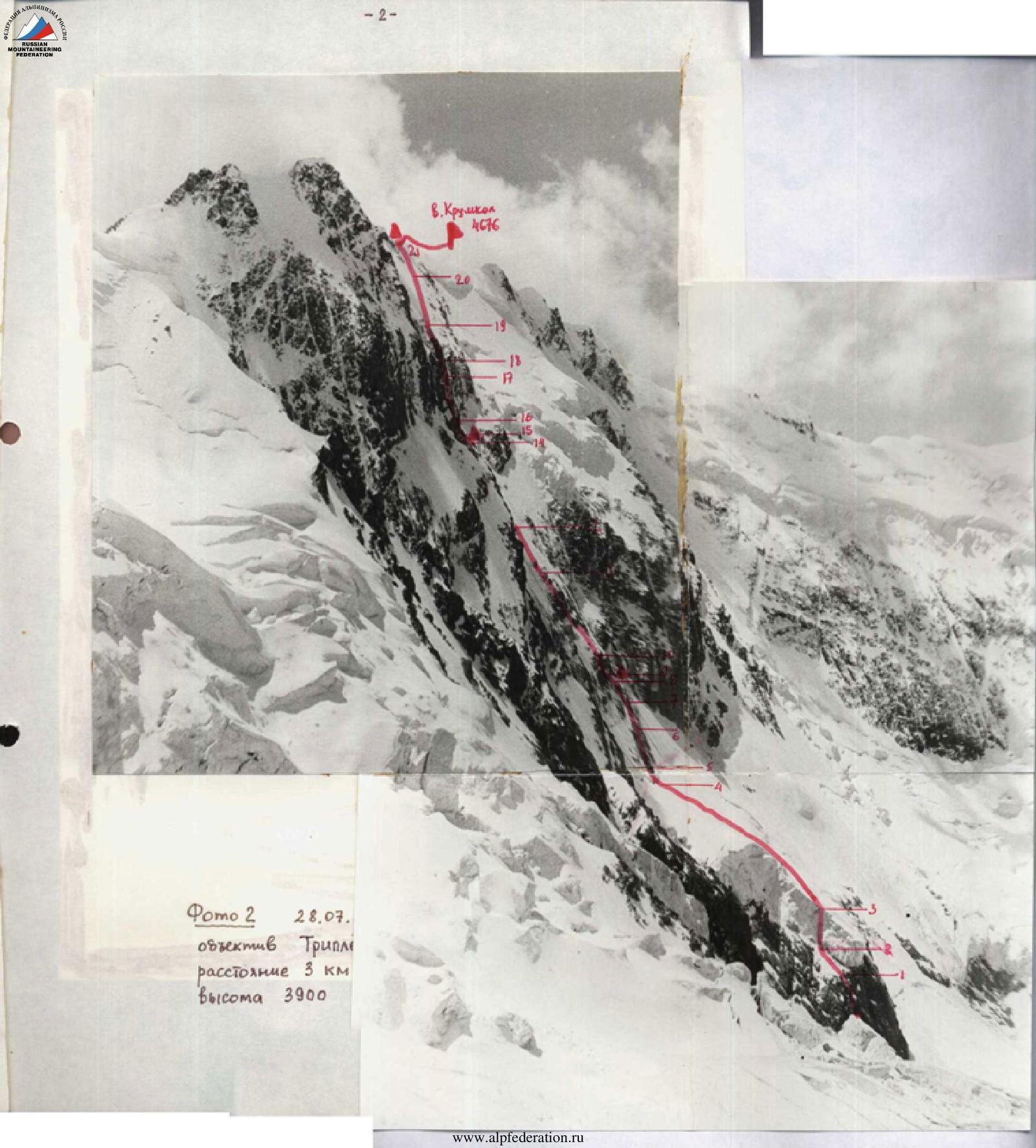
Photo 2. July 28. Lens: Triplet. Distance: 3 km. Height: 3900 m.
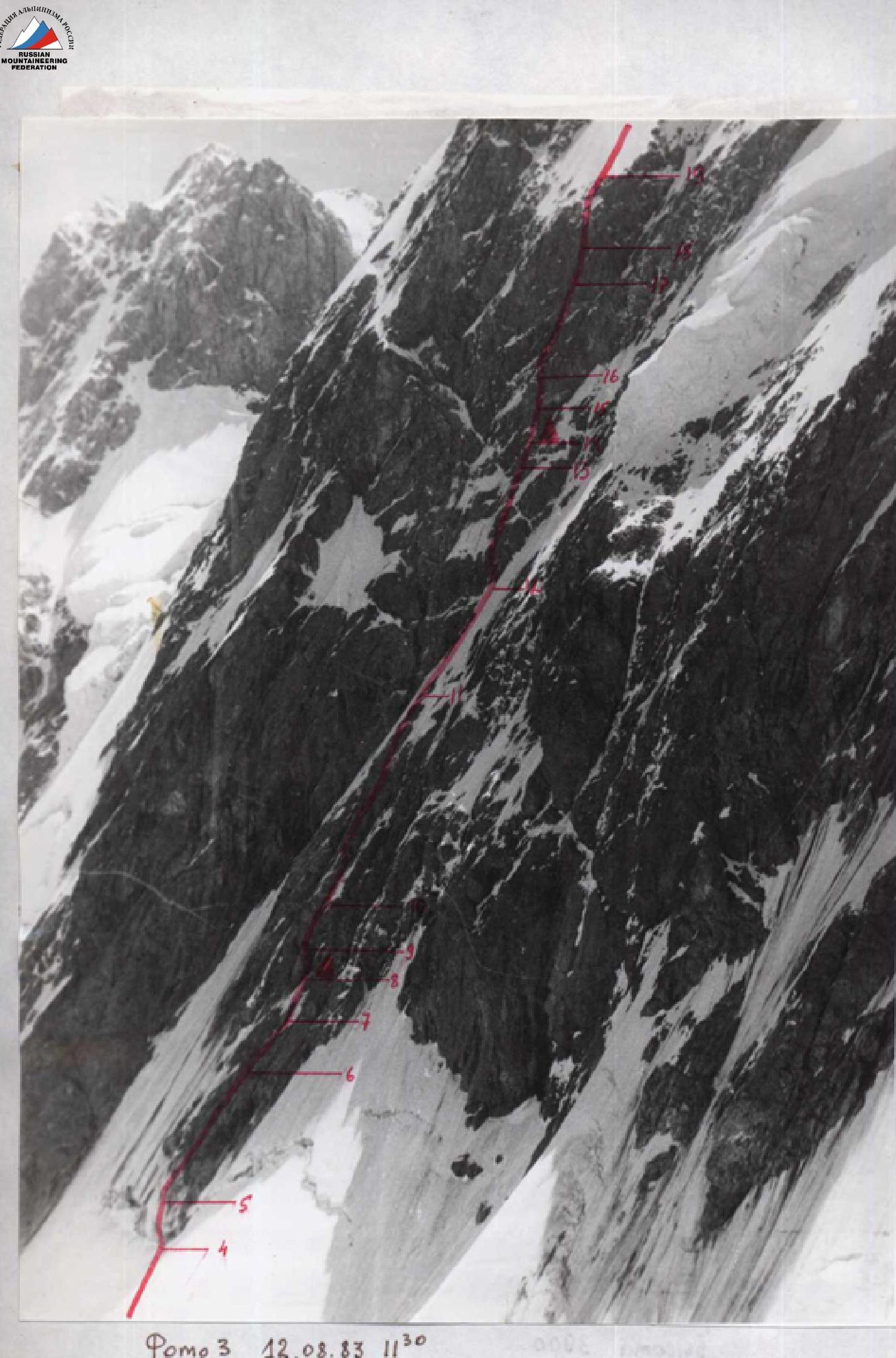
Photo 3. August 12, 1983, 11:30. Lens: Helios-44M. Distance: 2.5 km. Height: 4500 m.
Tactical Actions of the Team
Based on the study of the route and consultation with the first ascenders, it became clear that the route is technically challenging and lacks convenient places for overnight stays throughout the wall section. Therefore, the team was formed with 4 people, and a tactical ascent plan was developed, providing for a minimal number of overnight stays (two) on the wall, two fewer overnight stays than the first ascenders. Team members were prepared for separate sitting overnight stays.
When drawing up the tactical plan, it was taken into account that some sections of the route are objectively hazardous due to the possibility of ice avalanches (sections R0–R4) and rockfall (sections R0–R4 and R11–R12). Therefore, it was planned to pass these sections before 14:00, when the route starts to be lit by the sun.
The tactical plan was fully implemented. Fast and reliable passage of the route was ensured by the first climber moving without a backpack throughout the wall section. Pulling up backpacks was not used, as the weight of each of the three backpacks in the group did not exceed 10 kg. The lead climber was changed 1-2 times a day so that those who were better prepared for a specific type of terrain went first. Complex rock sections were first passed by Shcherbakov and Alparov, and ice sections by Sdobnikov and Kurbatov.
The team had three 45 m ropes on the route. The first climber always used the "Elita" rope, 12 mm. On all sections, except R3–R4, handrails were organized. In places with an increased risk of rockfall, additional top-rope protection was organized. Challenging ice sections R2–R3 and R20–R21, as well as steep rock sections covered with ice, were climbed using "ice hooks." All sections, except R0, were climbed in crampons due to the abundance of ice on the rocks.
There were no falls or injuries during the ascent.

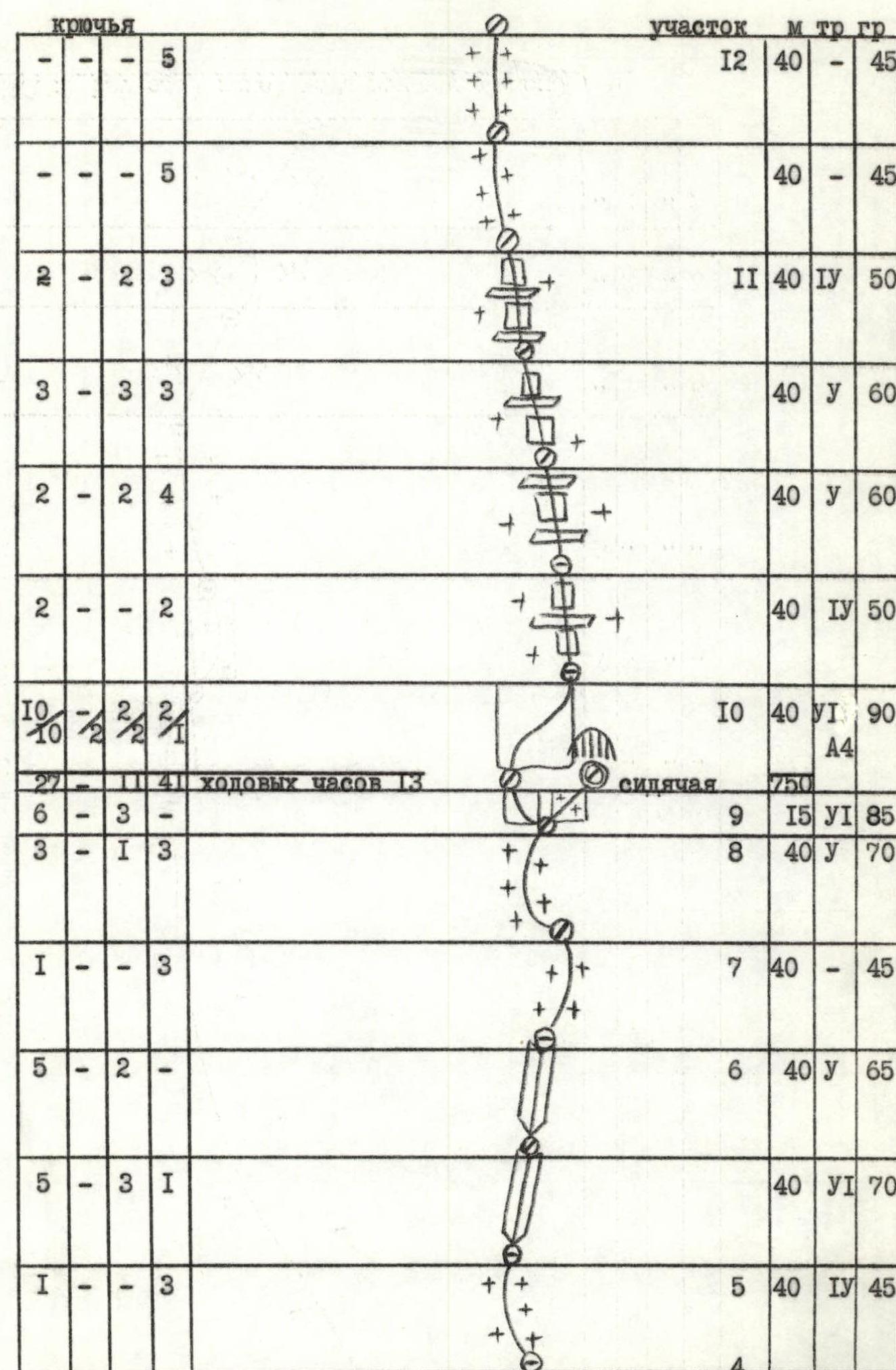
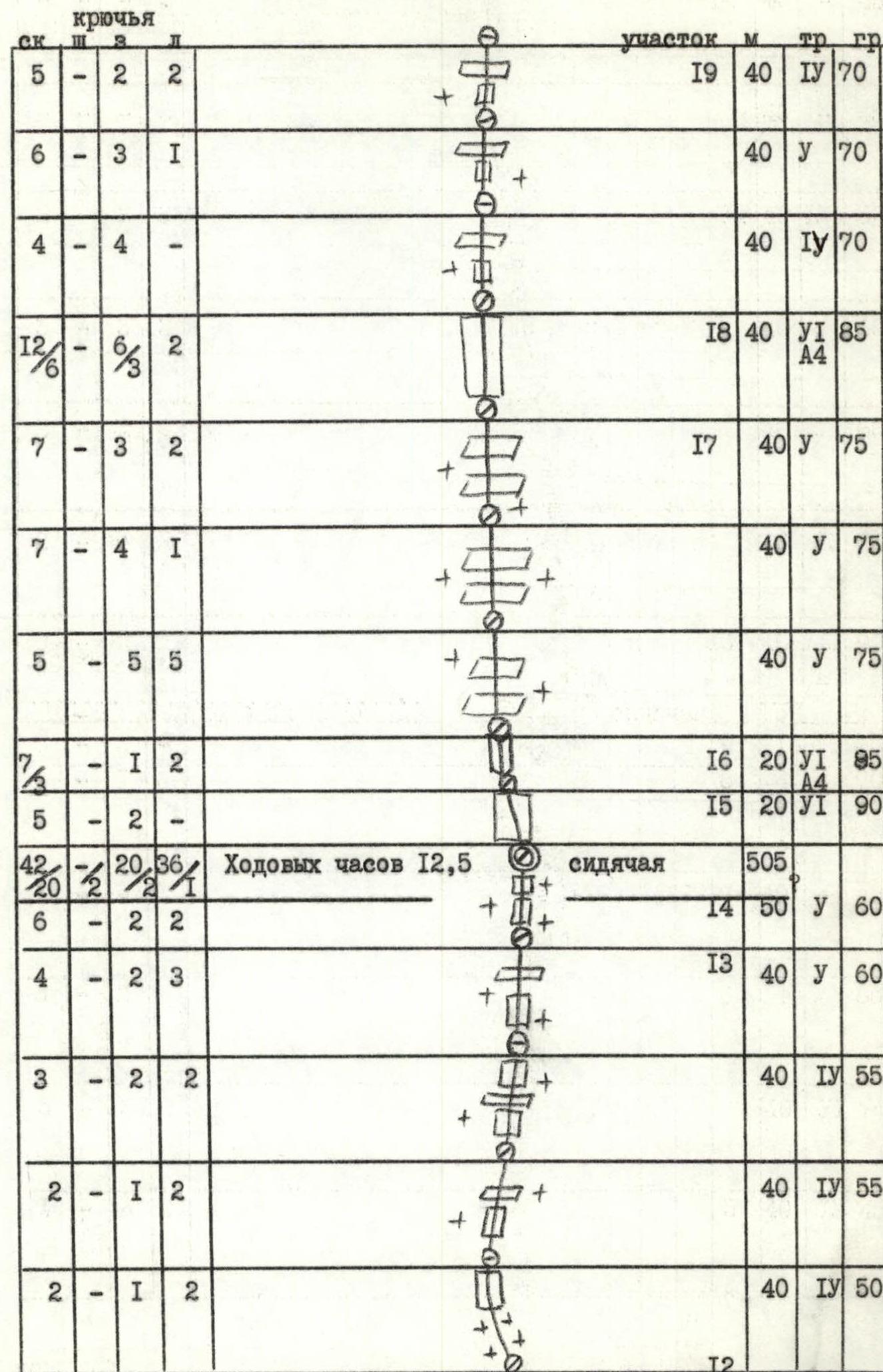

Route Description by Sections
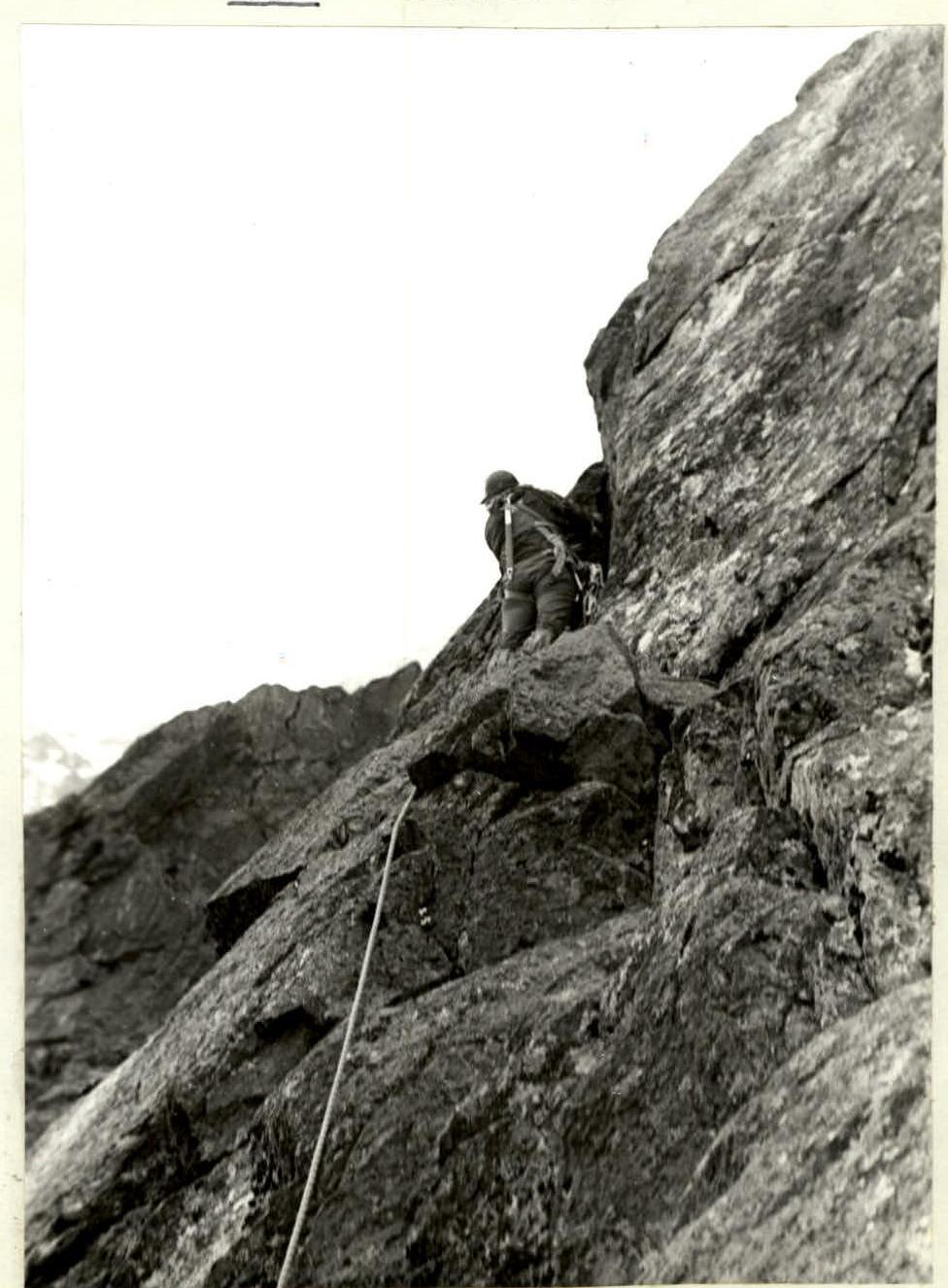
R0–R1. "Sheep's foreheads." Rocks are smooth and have a small number of cracks. Some variations of passage with equal difficulty are possible.
R1–R2. Snow-ice slope leading to a drop-off. The ice layer is thin, ice screws go in halfway.
R2–R3. Wall of an ice drop-off. Steep ice with individual sheer sections. Ice structure is very varied. Fragile crust hinders movement. The path taken varies significantly from year to year.
R3–R4. A small layer of snow on ice. Simultaneous movement with protection via ice screws. It is necessary to pass as quickly as possible — this section is most prone to rockfall.
R4–R5. Wall of a boulder, 2 m, and ice leading under rocks.
R5–R6. Steep inner corner filled with ice. Few cracks. Climbing is very challenging, especially in the lower part.
R6–R7. Ice slope leading to a sheer wall.
R7–R8. Bypassing the wall on the left via a very steep couloir ending in an almost vertical snow wall. Waterfall flows from the cornice above. Under the cornice, a niche allows for a safe sitting overnight stay.
R8–R9. Smooth wall with a 20 cm wide crack. No cracks for 8 m. Ice in places.
R9–R10. Sheer, smooth wall. In the lower part, 2 old bolts. Very few cracks, ice. Exit from the wall via a 3-meter "icicle."
R10–R11. Rock ridge, weakly expressed. Walls up to 5 m. Much ice.
R11–R12. Inconspicuous ice ridge. Loose snow hinders movement so much that it is necessary to go along the left slope of the ridge, where the ice is clean but steeper (50°). This section should be passed before 14:00 when the upper rock belt is lit by the sun.
R12–R13. Ice slope leads to an inconspicuous rock ridge, heavily destroyed in the lower part. Many loose rocks.
R13–R14. Ridge abuts a vertical wet wall. Under the wall — a series of small ledges. The best place for an overnight stay on sections R8–R21. Relatively safe.
R14–R15. Vertical wall. Rock is fragile, few holds, ice. Climbing is very difficult. Ends with an inclined smooth slab, which looks like a good ledge from the overnight stay.
R15–R16. Icy inner corner. Artificial holds. Few cracks. Ice screws go in halfway into the corner.
R16–R17. Up and to the right, a series of icy slabs. Many loose rocks. Cracks are filled with ice. "Ice hooks" can be used successfully.
R17–R18. Vertical blunt outer corner. Artificial climbing. Limited number of cracks, most are filled with ice.
R18–R19. Rocks gradually become less steep. Walls 3–5 m alternate with small ledges. Some variations of passage are possible.
R19–R20. Snow-ice slope. On the ice — a layer of 10–20 cm of soft snow. 3 intermediate ice screws on the rope. Large cornices of the main ridge are visible.
R20–R21. Steep ice gully to the right of the Gendarme leads to the ridge in a gap between cornices. Good overnight stay.
R21–R22. On the ridge, cornices are large but easy to pass.
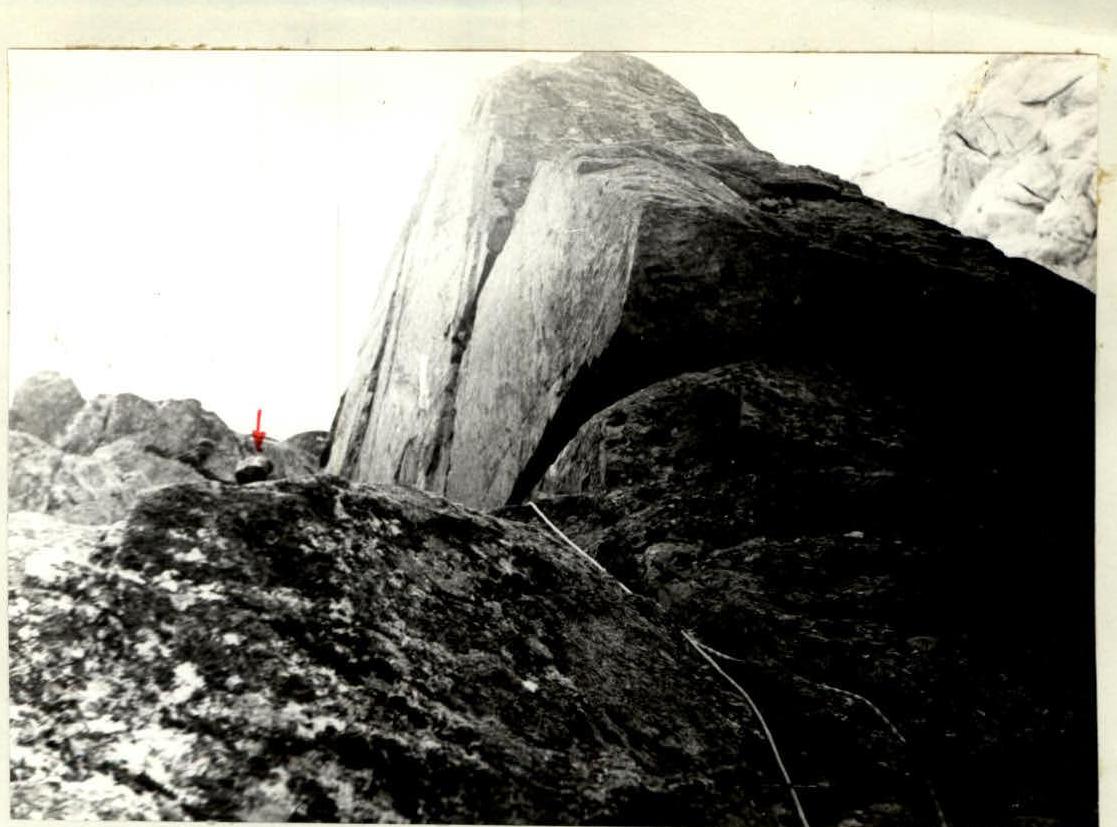
Photo 2. Section R0–R1