
Sokol — 9
Japonsky sadik 5A cat. dif. (Yu. Lishayev)
R0–R1: 40 m, 6a+, A1. In some places natural protection is in destroyed cracks. Station on existing pitons and personal protection gear. Be careful, rocks are destroyed.
R1–R2: 35–40 m, 5b. Careful exit to a ledge with trees (so-called "Japanese garden"). Station on one of the trees.
R2–R3: 45–50 m, 5b+. Even climbing along the crack, with convenient belay organization. Exit to the station is to the right out of the crack, 6–7 m along the slabs to the ledge. Station on two bolts on the ledge.
R3–R4: 45–50 m, 5c+. Even climbing along the crack upwards to the "nashlyapka" [a feature on the rock], and along it to the left upwards to the station. Station on bolts and a piton.
R4–R5: 40 m, 5a. Up and to the right, bypassing a tree on the left, then to the left along the ledge (the direction of movement changes sharply, so protection needs to be extended). Station on a bolt and pitons.
R5–R6: 50 m, 6a+. Upwards along the right part of the chimney and the system of cracks; belaying is easy to organize. Climbing is careful (loose rock). Station on a bolt at the inflection + personal protection.
R7–R9: coincides with the 7–9 rope of the ridge duo. The original variant (by Fantik) goes straight up, bypassing station R1 on the right. In this case, one 50 m rope is enough from R0 to R2.
Recommended equipment:
50 m rope, a full set of nuts and cams (large sizes will come in handy!), 14–16 quickdraws, 3–4 large and 3–4 small slings, hammer, pitons are desirable.
General impression:
A good 5A, not typical in relief for Sokol; climbing is enjoyable. Time for an average duo to complete the route is 5 hours.
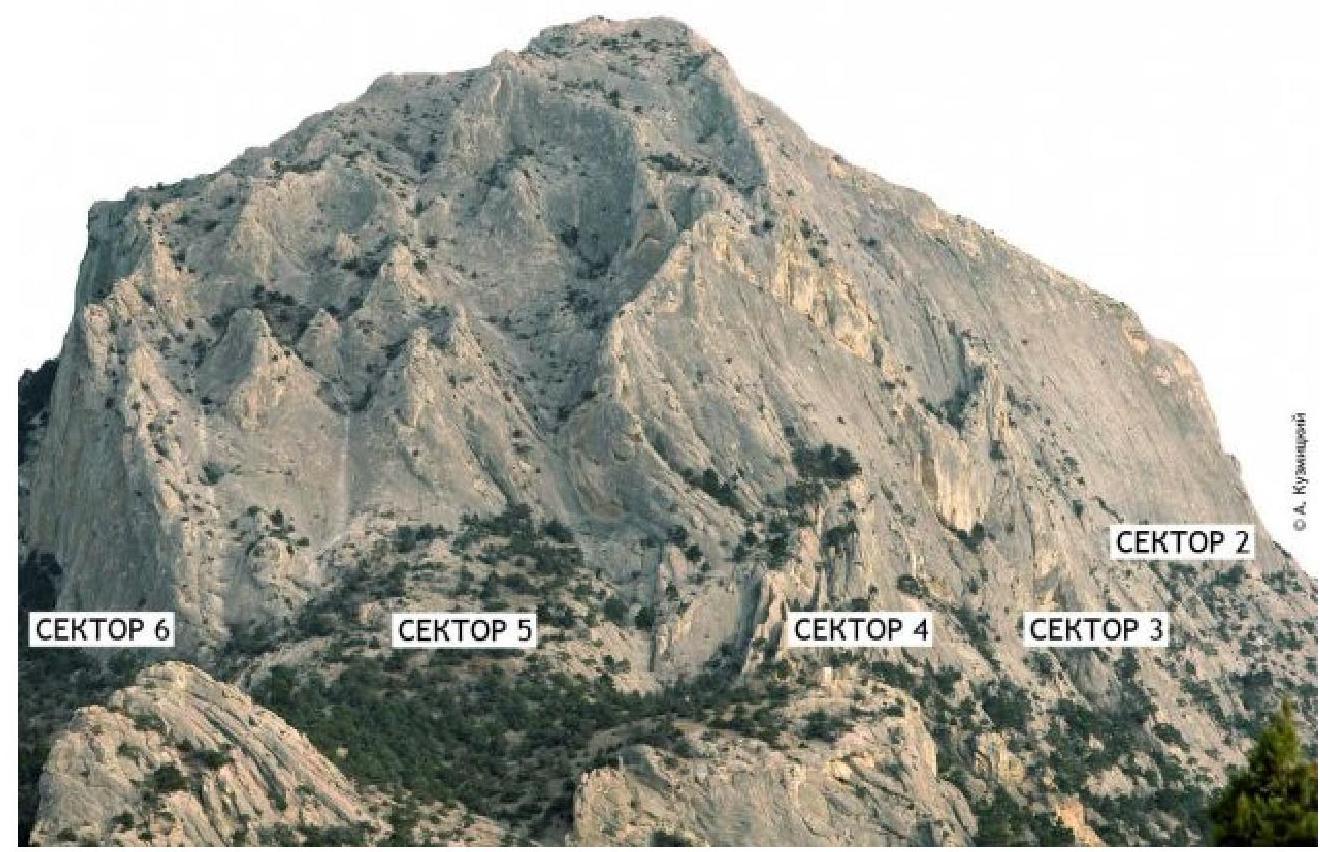
Authors: Sergey Nadtochiy (Terr), Alex Kuzmitsky. Sokol Routes (continuation)
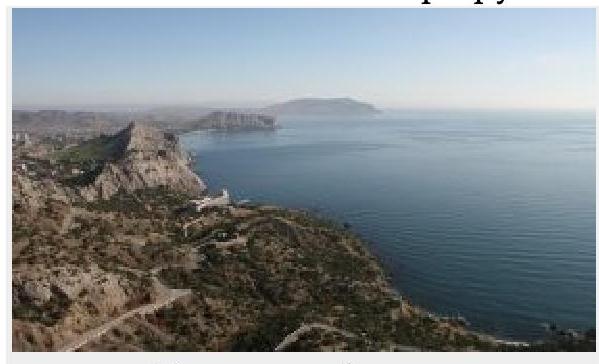
Panorama of Sudak
Over the past year, a lot of work has been done to describe alpinist routes on the Sokol massif, which is located in Sudak (Crimea).
There are already descriptions of more than 30 routes (not counting variations); several new ones have been climbed. The work is not yet finished and will continue, so it's too early to talk about the results. But apparently, in the end, all the collected information will take the form of a printed guidebook. Negotiations with interested parties are already underway.
For now, we will periodically post descriptions to supplement the general knowledge base of Crimean routes. This route belongs to Yura Lishayev, who is better known by the nickname "Fantik". This amazing person was ahead of his time, as many people recognize. His name has long been associated with the solo style in our country, and his name is linked to the underground mountaineering of that time... despite being a Union Climbing Champion and an Alpinism Master.
He was always a bit on the sidelines of the system. Out of the almost thousand ascents he made in his life (and continues to make, despite his disability!), the majority were in the Crimean mountains. This is understandable, as Yura is from Crimea.
Many routes in Crimea belong to him, although he never tried to "claim" them as his own. It was common practice for others to present Yura's routes as their own at various championships held in Crimea, and these routes often took prize places. Yura would say: "this is a thermometer of success, ... if my routes take first places." That's how it was.
On Sokol, there are two reliably known Yura's routes:
- "Brov'" (Eyebrow)
- "Yaponsky sadik" (Japanese garden)
We provide a description of the latter below.
R0–R1: 40 m, 6a+ *, A1, mostly natural protection, periodically quite unpleasant places (deterioration). Station R1: on existing pitons and personal protection gear. Be careful: destroyed rocks.
R1–R2: 35–40 m, 5b, careful exit to a ledge with trees (so-called "Japanese garden"); station on one of the trees.
R2–R3: 45–50 m, 5b+, even climbing along the crack, with convenient belay organization; exit to the station is to the right out of the crack, 6–7 m along the slabs to the ledge; station on two bolts on the ledge.
R3–R4: 45–50 m, 5c+, even climbing along the crack upwards to the "nashlyapka" [a feature on the rock], and along it to the left upwards to the station; station on bolts and a piton.
R4–R5: 40 m, 5a, up and to the right, bypassing a tree on the left, then to the left along the ledge (the direction of movement changes sharply, so protection needs to be extended); station on a bolt and pitons.
R5–R6: 50 m, 6a+, upwards along the right part of the chimney and the system of cracks; belaying is easy to organize; climbing is careful (loose rock); station on a bolt at the inflection + personal protection (station on a tree is undesirable due to lack of audibility and high friction).
R7–R9: coincides with the 7–9 rope of the ridge duo. The original variant (by Fantik) goes straight up, bypassing station R1 on the right, past a destroyed "lobik" [a feature on the rock]. In this case, one 50 m rope is enough from R0 to R2.
— From here on: the maximum difficulty of free climbing on the rope is indicated (we ask you to take into account the subjectivity of our assessment of this complexity, ...as many people, so many opinions).
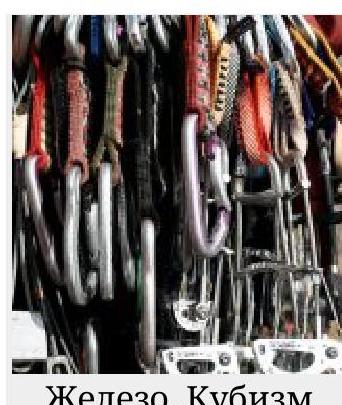
Recommended equipment:
50 m rope, a full set of nuts and cams (large sizes will come in handy!), 14–16 quickdraws, 3–4 large and 3–4 small slings, hammer, pitons are desirable.
General impression:
A good 5A, not typical in relief for Sokol; climbing is enjoyable. Time for an average duo to complete the route is 5 hours.