
Genesis on Masya via Castle
Written by ivantern, June 16, 2016 12:12 PM. Spring Crimea is so alluring, tempting to climb somewhere higher because it's still too cold to swim in the sea, and most cafes are not yet open, making the choice of where to go quite limited.

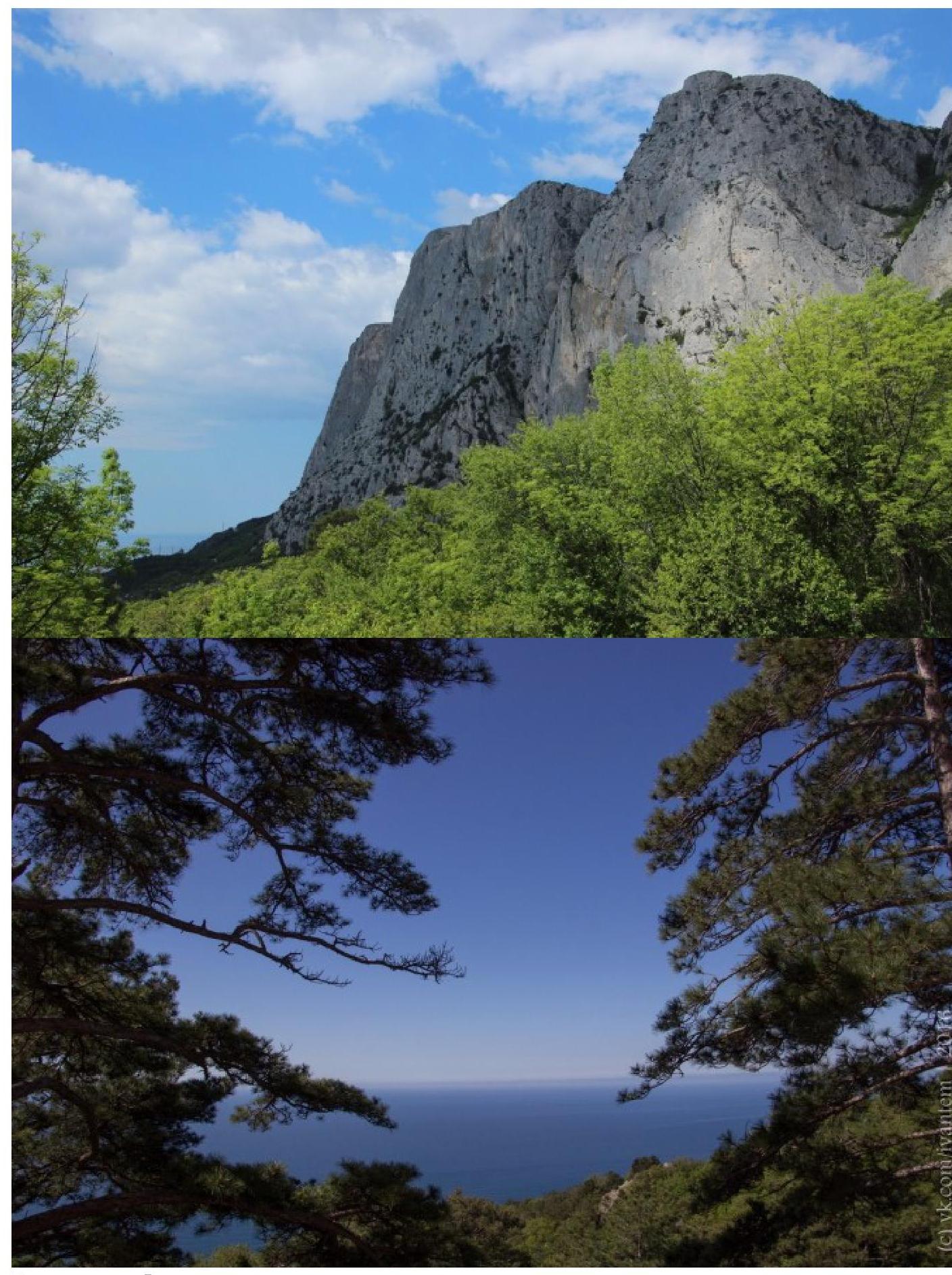
Fedor and I, preparing for a competition in the rock climbing category, decided based on the description that it would be a good idea to practice some aid climbing on Masya, as a "warm-up" for Integral via Castle. On May 2nd, taking advantage of the sunny weather and light wind, we set out on the route.
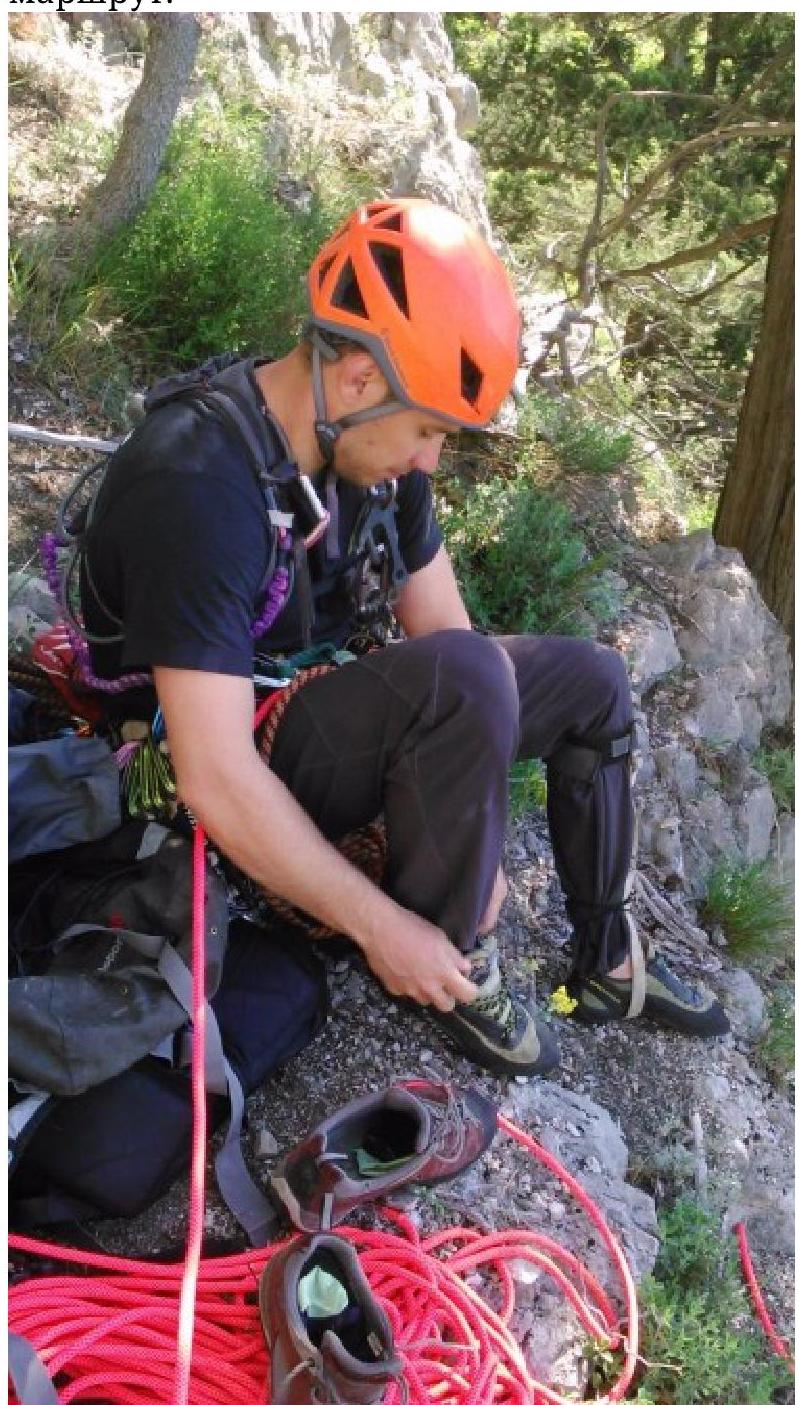
The guidebook promised entertainment at the level of A1–A2, but Fedor for some reason decided to climb it free. Not that we usually do that. No, we're not those who prioritize pure style, for example. But somehow it just happened that way.
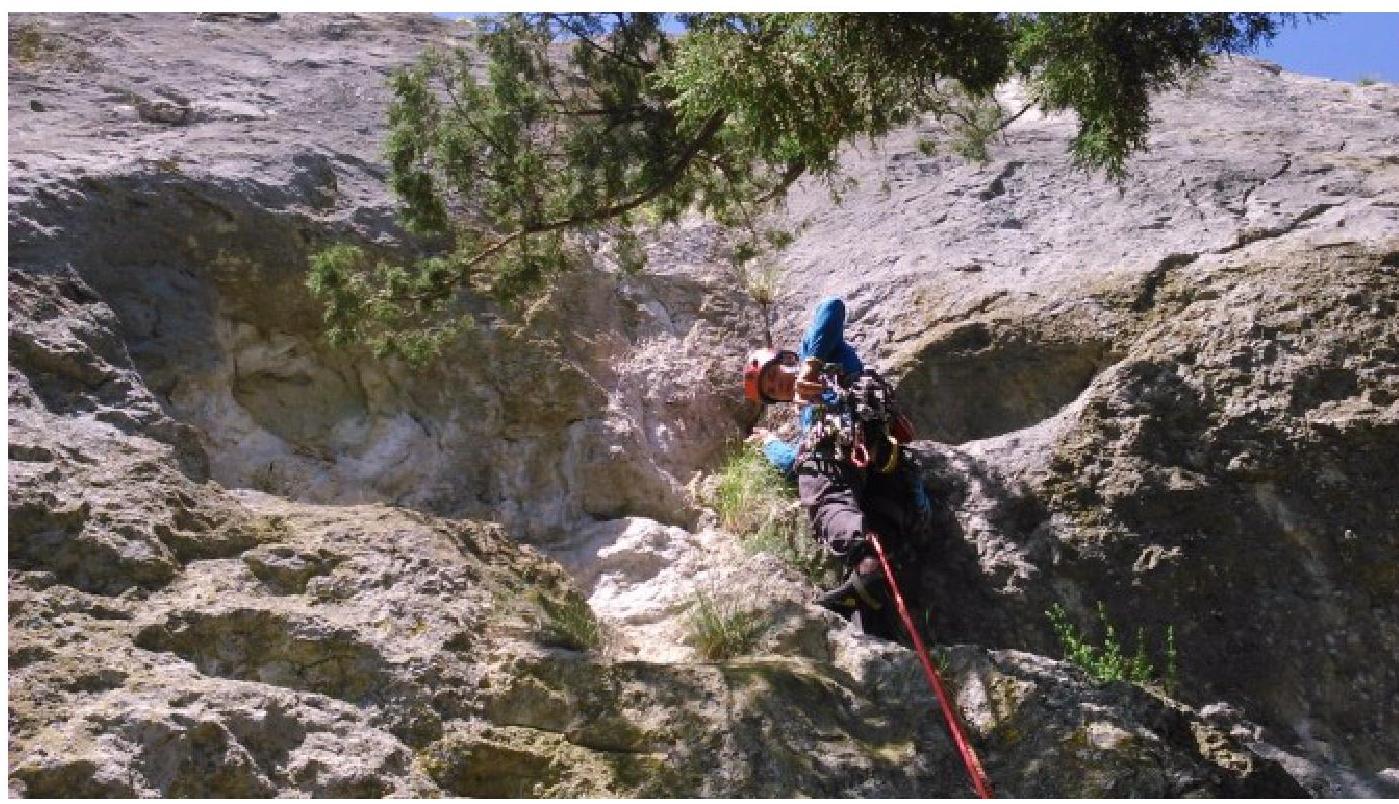
On Integral, we met a team of three quick climbers with one rope. They immediately told us that we should have started the route 10 minutes before them.
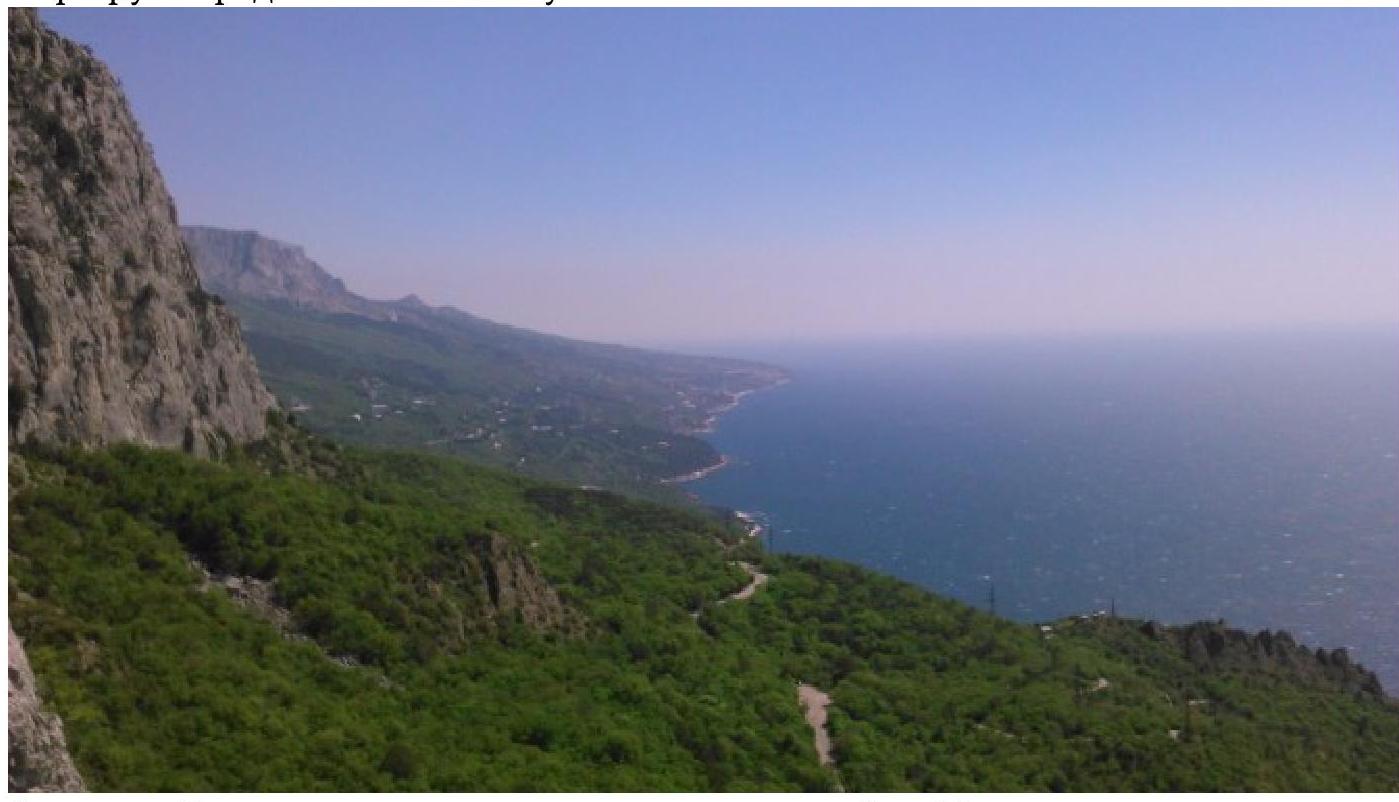
Fedor and I held an emergency meeting to decide where to go next. The day before, our ambitious plans had already been ruined by the "vatnost" on Z.B. Kolya-Tolya on Maly Kils. We considered going for Obraatny Integral, but it didn't seem very sporting either.
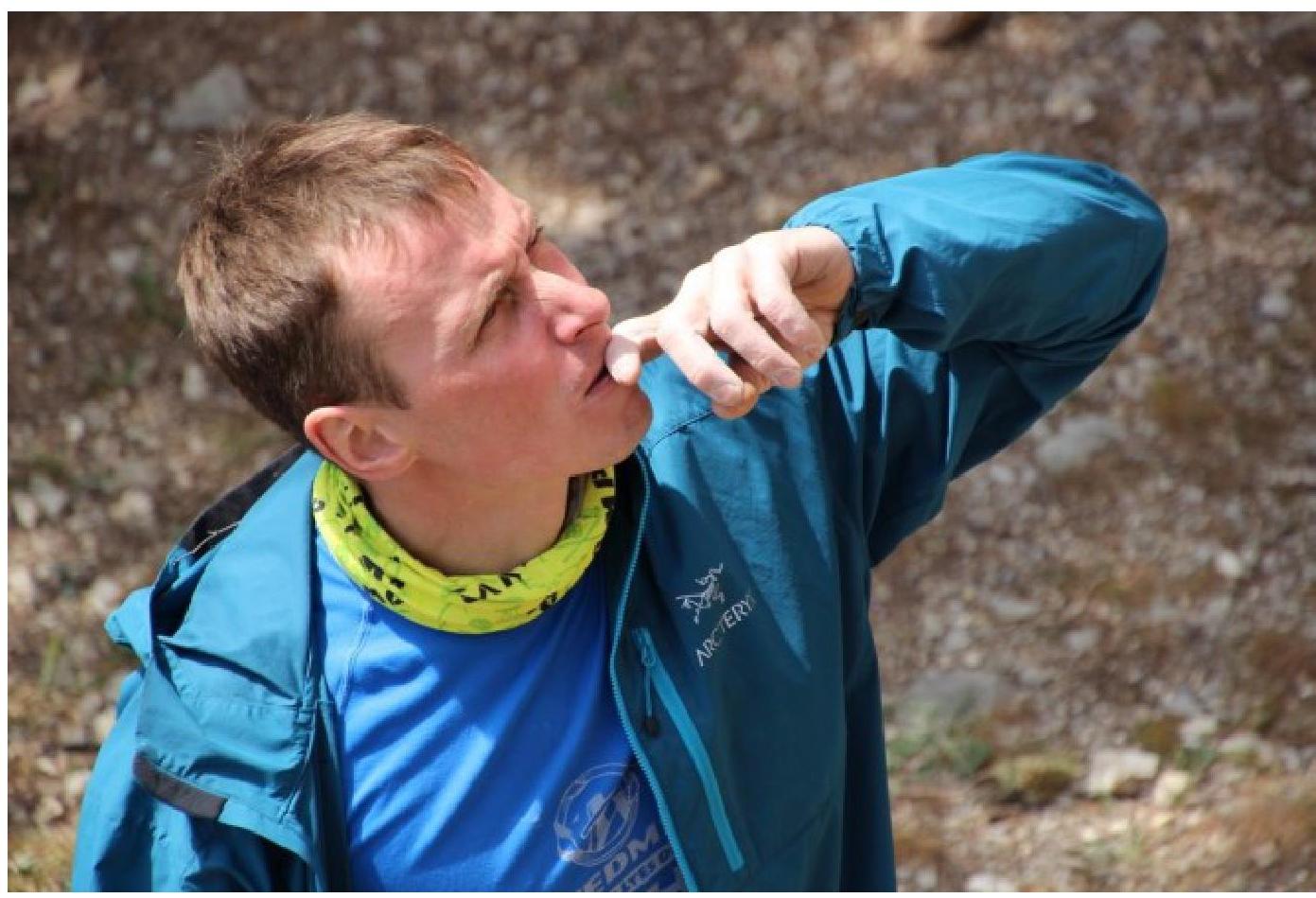
We decided to go for the impressive-sounding 6A route "Genesis" nearby. The description promised:
- 4 bolts
- strange holes 12 by 40
- pitons, some with eyes, some without
- other delights of A3 aid climbing
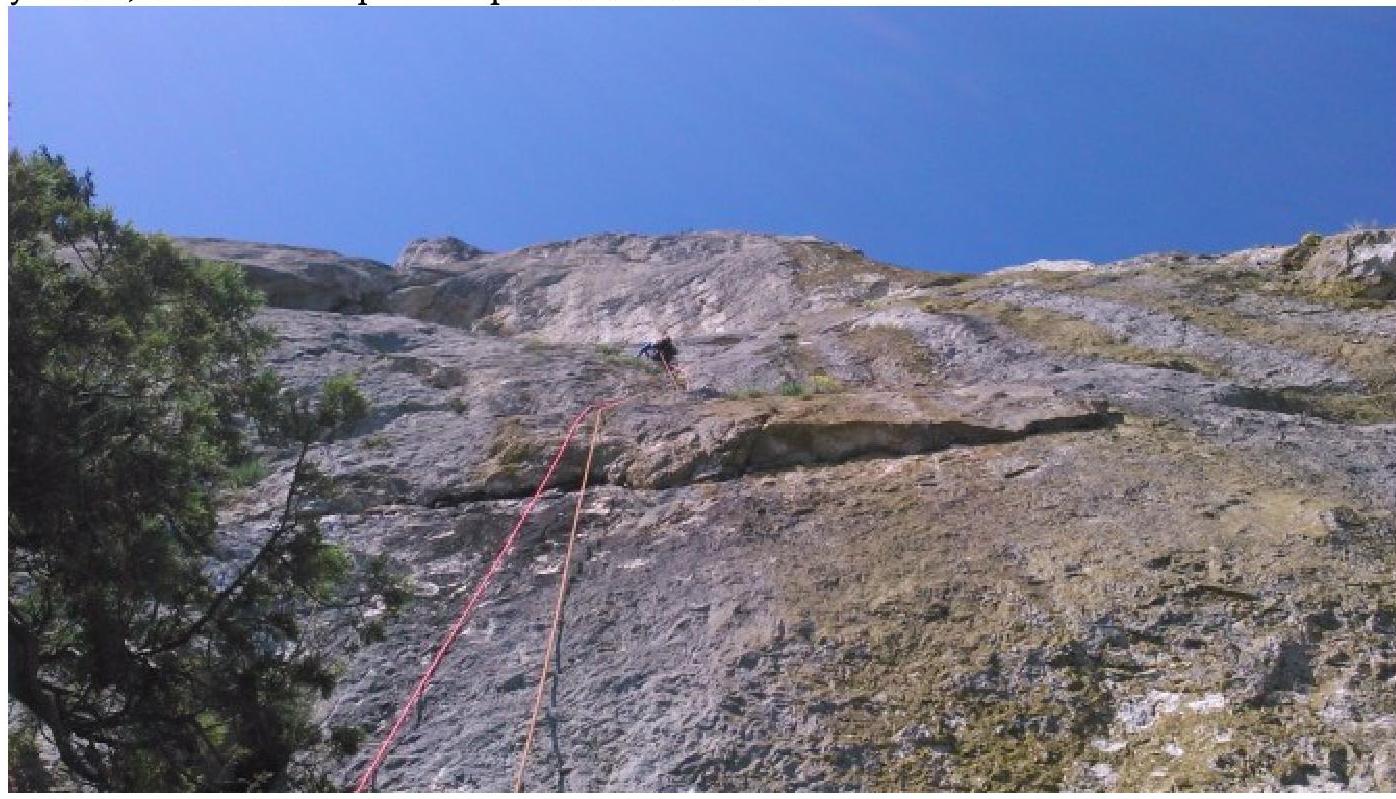
Since it was May and I had done a lot of aid climbing in Kyrgyzstan just in February, Fedor needed to remember the bad parts. After a quick Totom ritual, I sent him off.
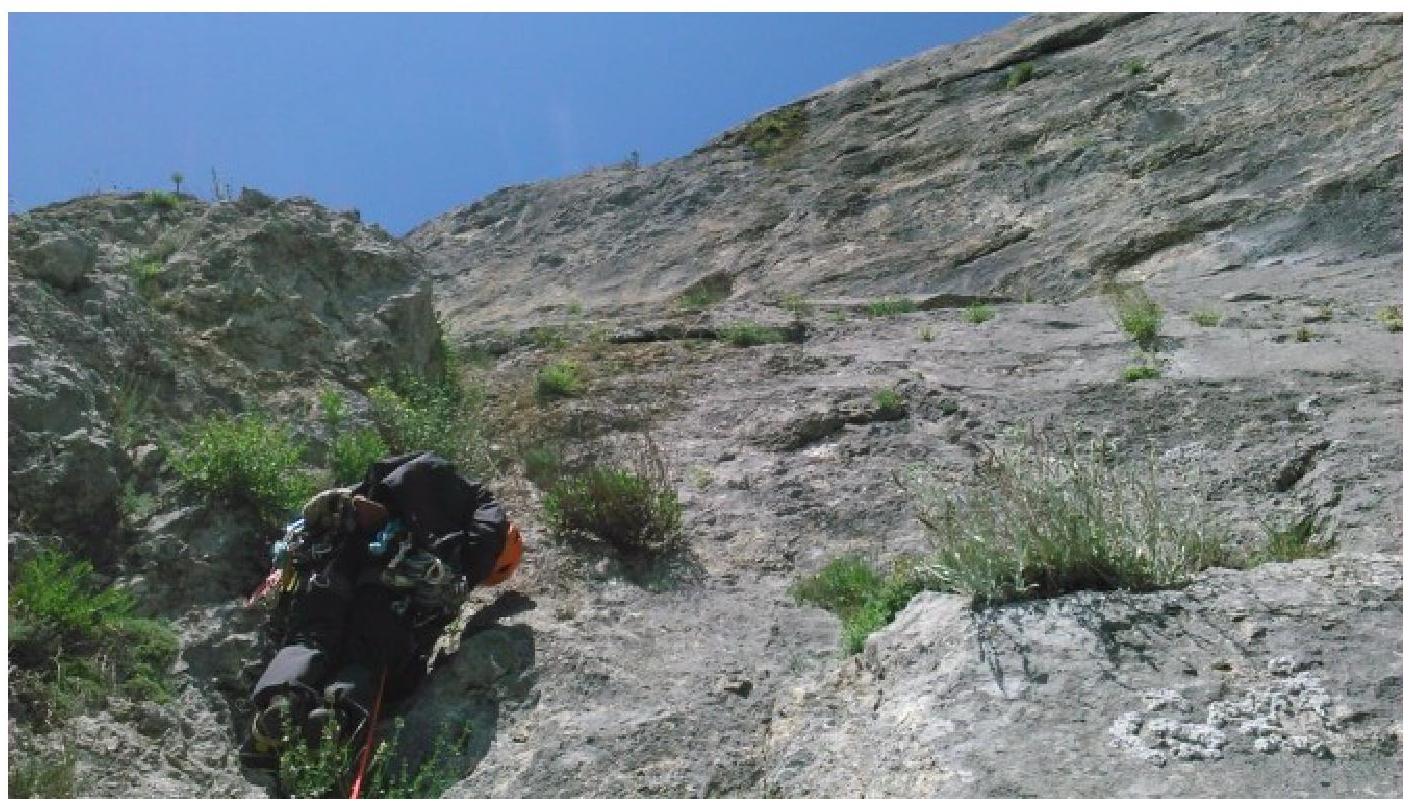
The lead climber ignored the first bolt and scraped his way up to the second one through the impressive limestone crust.

He found some hellish boldering and admitted that it was his favorite part of the route, but after knee surgery, he wasn't up for such difficulties. He subtly hinted that it was time to pass the lead.
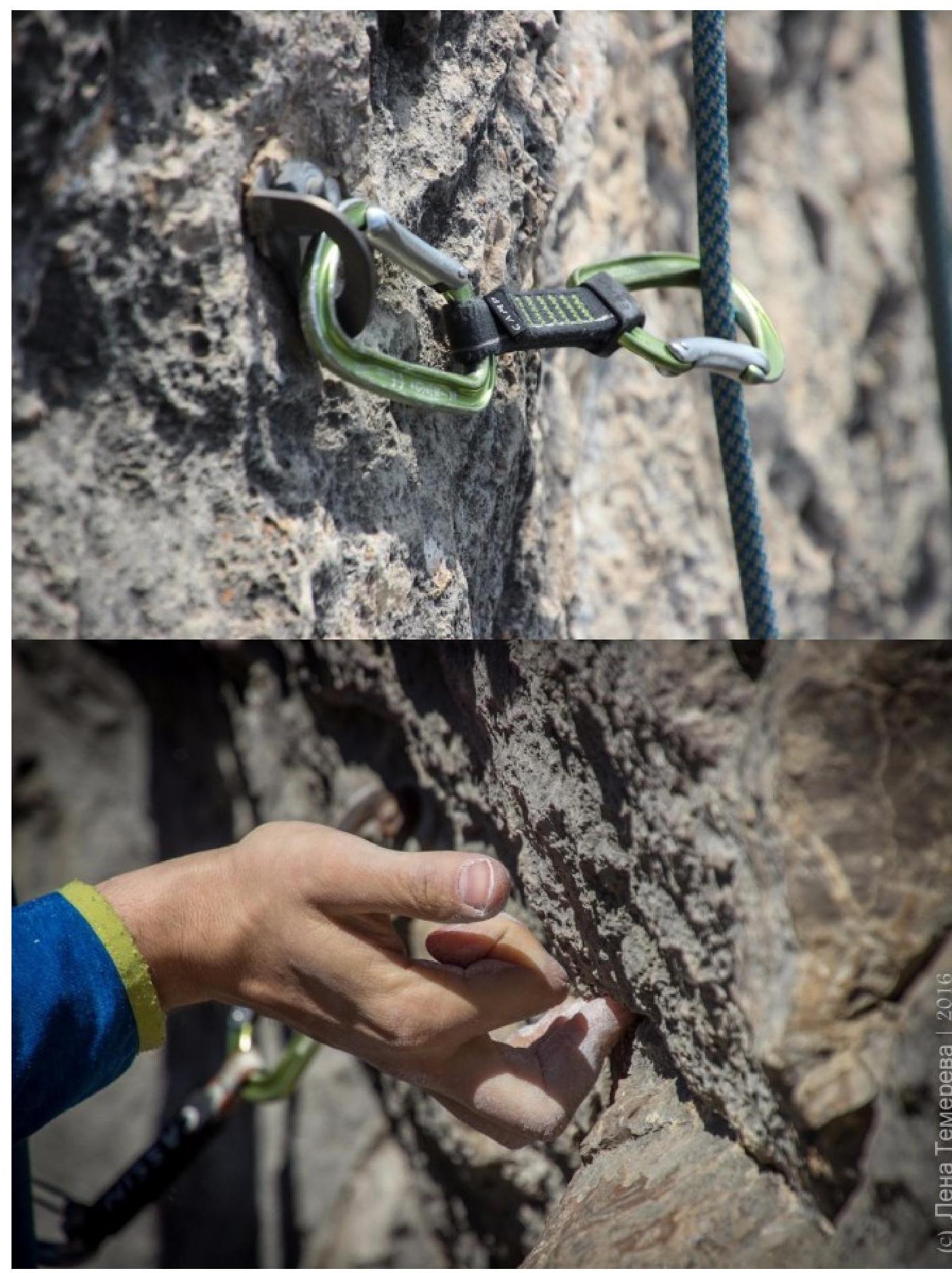
Thankfully, my legs hadn't been under the surgeon's knife, but I hadn't done such climbs before and wasn't planning to. I had my trusty hook-nose gear! We reached the third bolt, a milestone!

Mysterious 12 by 40 mm holes appeared. They were great for standing and then for clipping into with a Petzl clip, but it was unclear why they were made.
The 14th bolt was passed, and the guide holes helped with orientation, but not for long because:
- the wall became steeper,
- the poor relief was more often left after straining the hands.
The desire to roll down and ingloriously flee was overwhelming, but the only thing holding me back was the fear of rappelling on anchors in unslaked lime and the dream of figuring out the thought process of the first ascensionists.
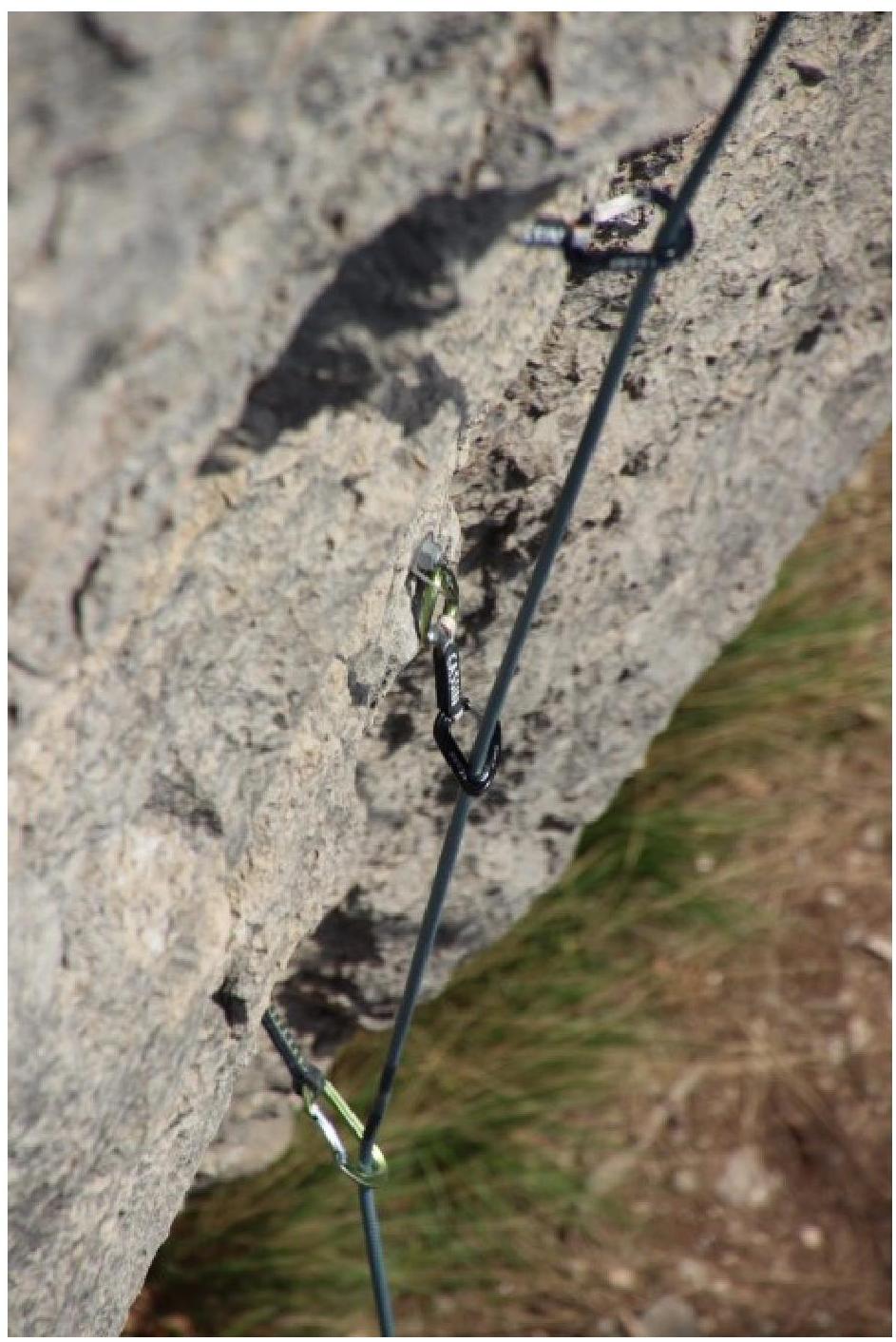
There was a tricky section. 10 minutes of searching for a way to continue, even with aid climbing, yielded no results. There was nothing to lean on, and I tried to stand on two anchors at once to avoid loading the flaking limestone.
Out of desperation, I pulled out a tuft of grass from the rock, and to my surprise, I found a hidden, earth-covered, barely visible old pin. The problem was that no carabiner fit into it, not even my beloved Camp Nano.
I had become quite fond of this manufacturer's quickdraws:
- A few years ago, we were looking to buy some for a family climbing trip and stumbled upon wire Camp quickdraws.
- I loved them for their performance during challenging climbs.
- They slide into bolts amazingly well, even when you're standing in an awkward position and stretching out your arm.
We later won 2 sets of Photon Express at Rally Terradets:
- I immediately designated them for mountain climbing.
- But after a winter trip to the mountains, we were missing a few.
- For lightweight mountain trips, they're not the lightest.
So, in Crimea, I tried a compilation of Cassin Promo Dogbones with a Nano carabiner for the rope and a Camp Photon for the anchors (protection). It seemed to work.
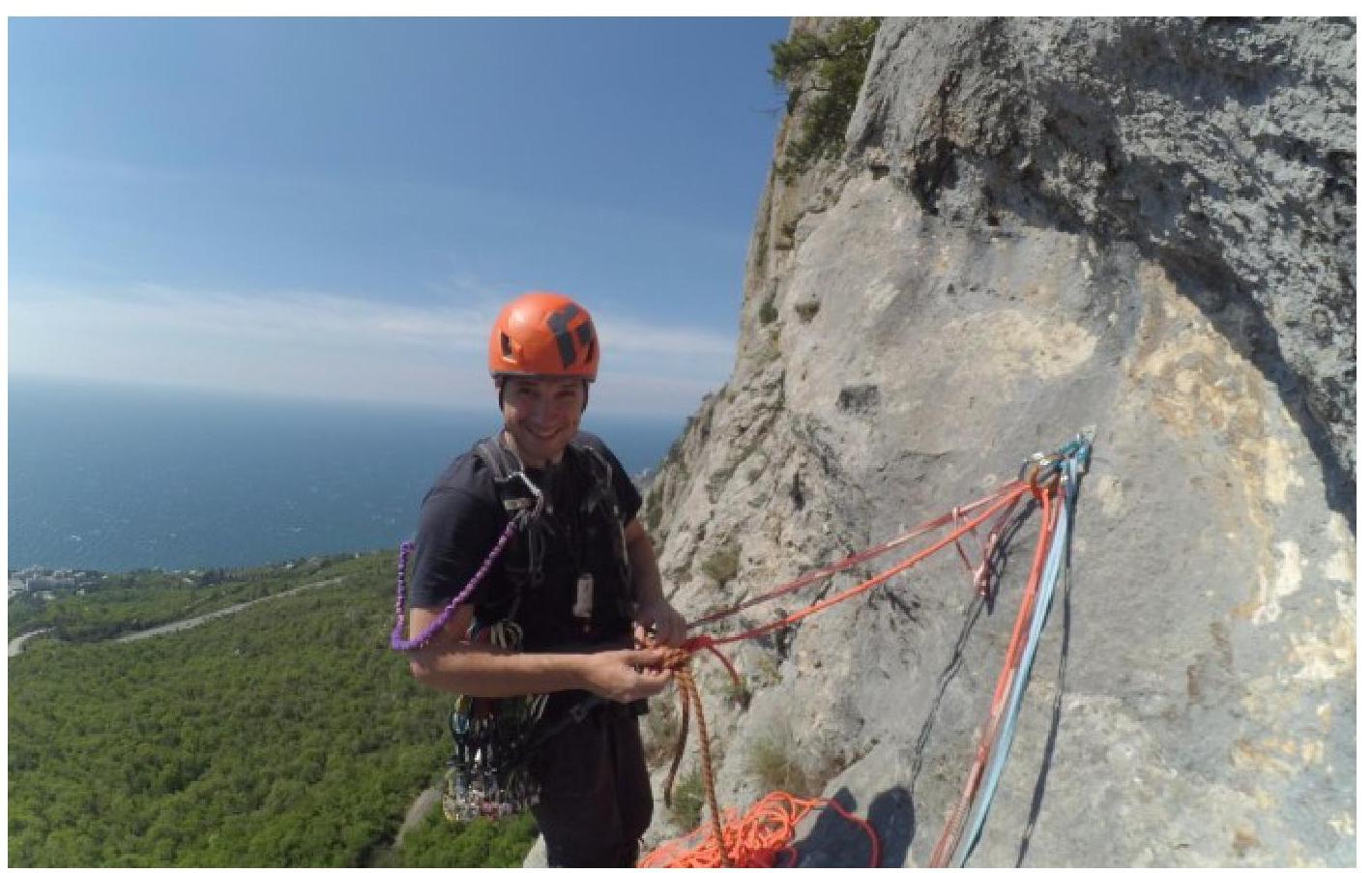
However, I had to find a way to progress. I hammered an anchor into the barely visible hole of the pin and took a step. Yes, the guidebook hadn't lied – there were pitons. Just that someone had taken away the eyes. I improvised and overcame the last meters of aid climbing.
I liked the Trecam camming devices. True, the smaller sizes are more for aid climbing than for falling – the axle is thin.
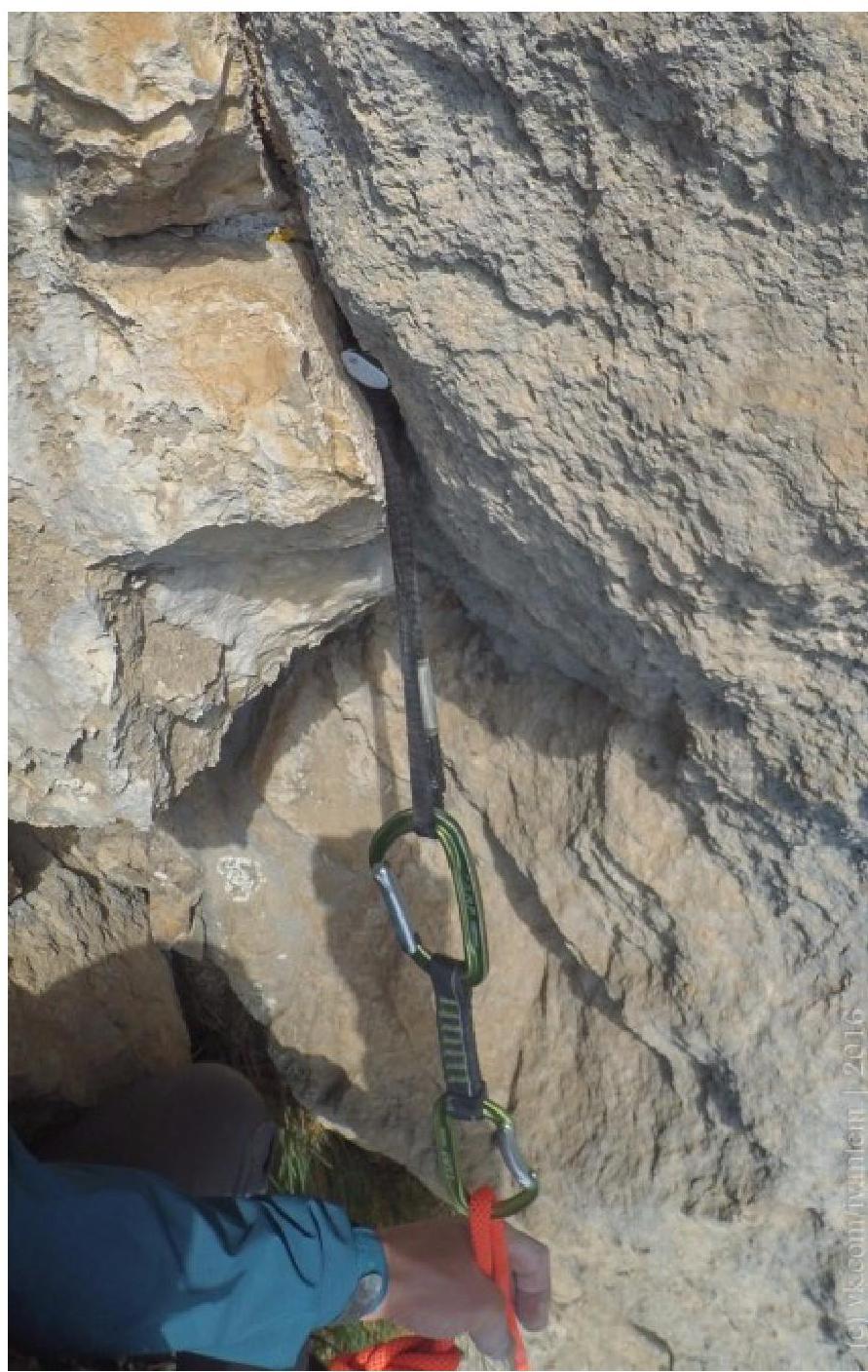
Such A3 climbing as on Genesis is not often encountered, and in Crimea, it was a real treat.
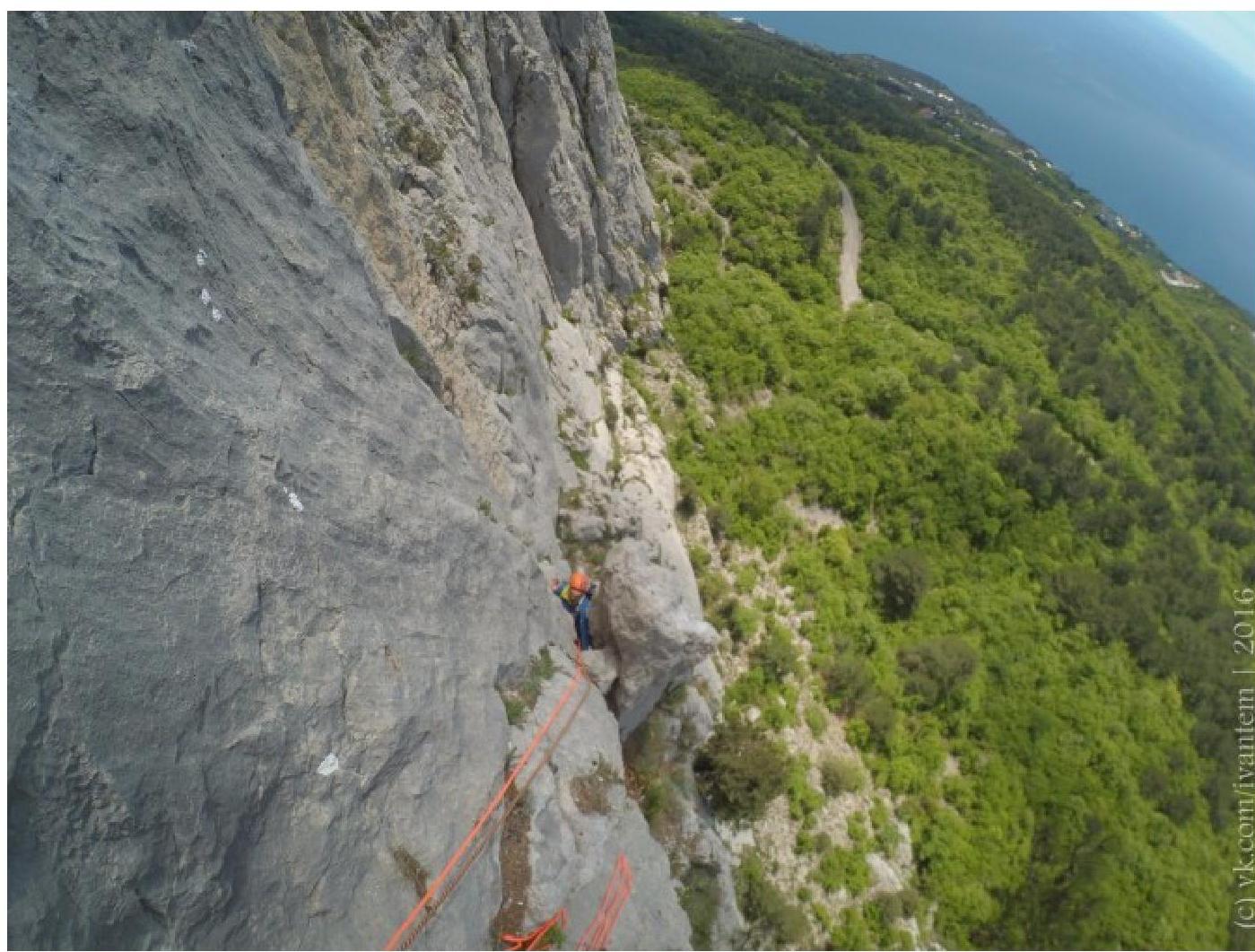
I saw a team of colleagues hurrying on Integral, whose presence had led us to derive so much pleasure from Genesis.
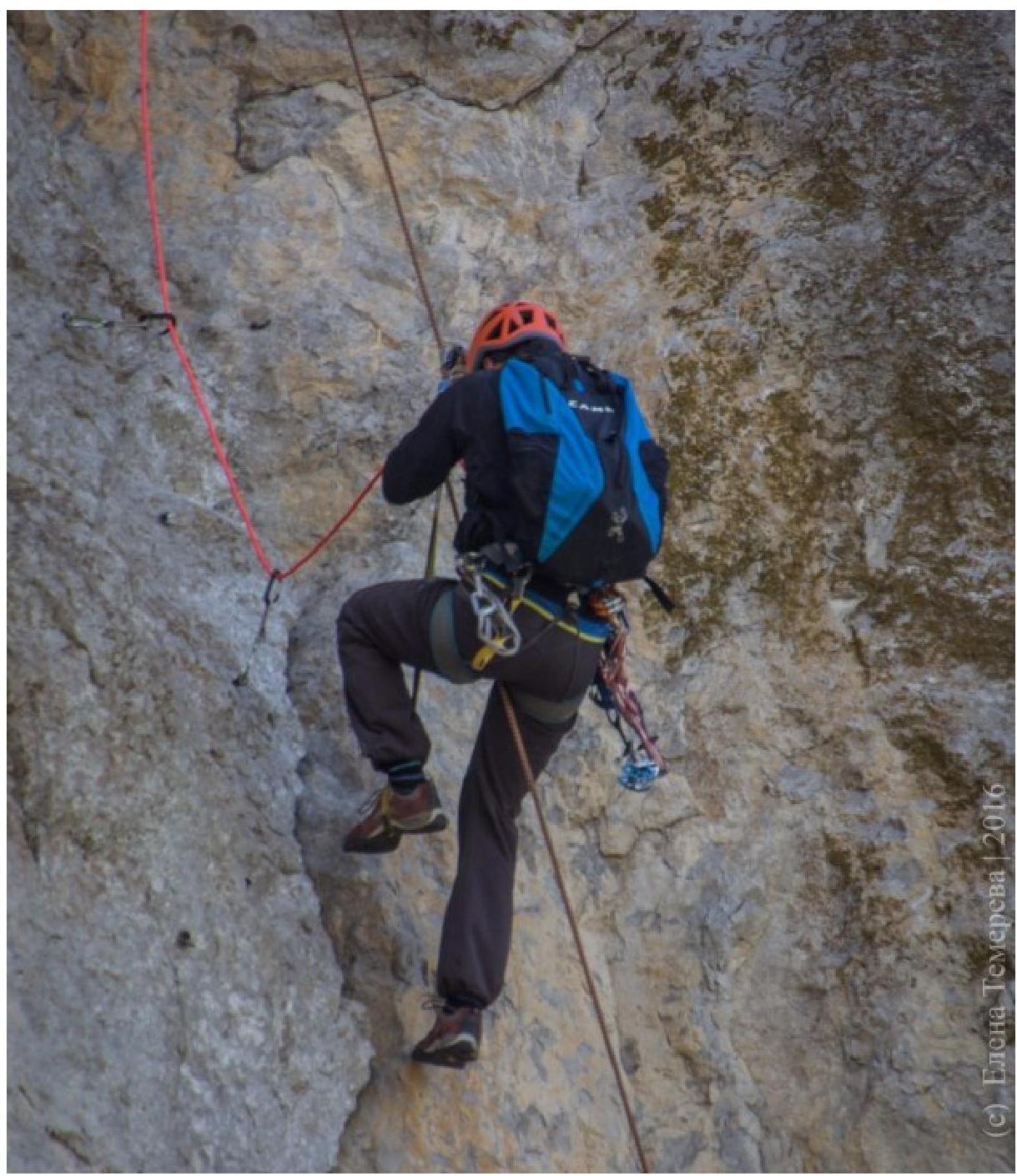
Climbing became easier; we took turns on some sections, and then began to climb simultaneously. Near the exit to the plateau, I was drawn to adventure – I deviated to the right via some original path through mossy cracks. Beyond the bend, there was nothing to clip into. For protection, I simply moved away. Luckily, the slope was in the opposite direction from the wall.
The Integral climbers were emerging nearby.
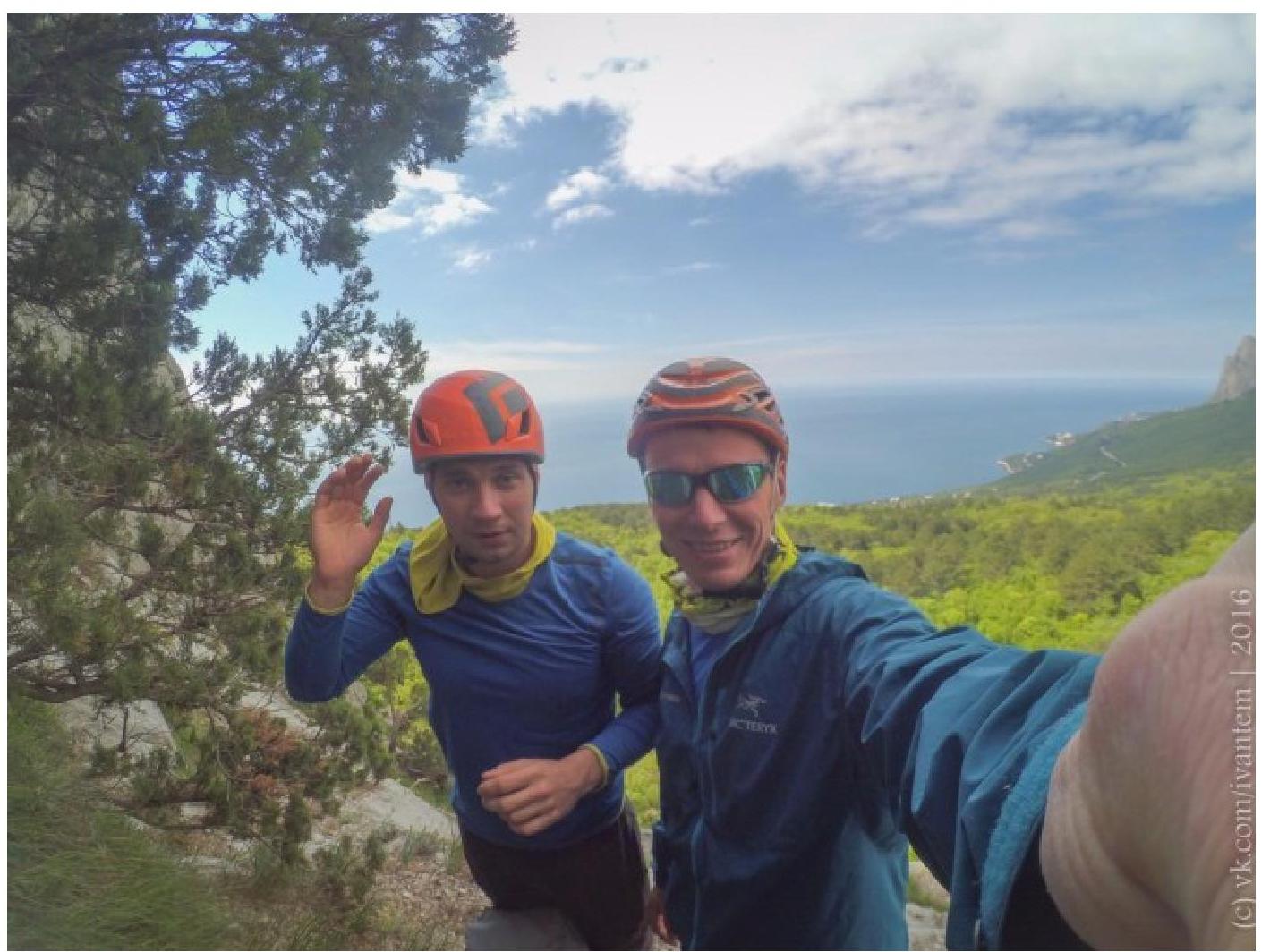
We descended via the usual path down the couloir between Castle and Maly Kils. I took a cue from Vasily Terekhin and started using leather gloves everywhere.
I tried:
- Rock Empire – the first ones fell apart quickly,
- Petzl – quite expensive but good for durability. Although, after a season and a half, they wore through.
Now I've decided to try Axion gloves from Camp. I liked them. They protect hands well and increase the speed of working with everything you normally wouldn't want to touch with your hands.
It's especially pleasant:
- on big walls, when after a day of seconding, your hands are absolutely intact and not scraped,
- in Crimean couloirs, when you need to "drop" down the mountain as quickly as possible without fearing skin abrasion on your hands.
Axion gloves are definitely a hit. Let's see how long they last.
I believe that the compilation we did is fully worthy of the 5Б category. ;-)
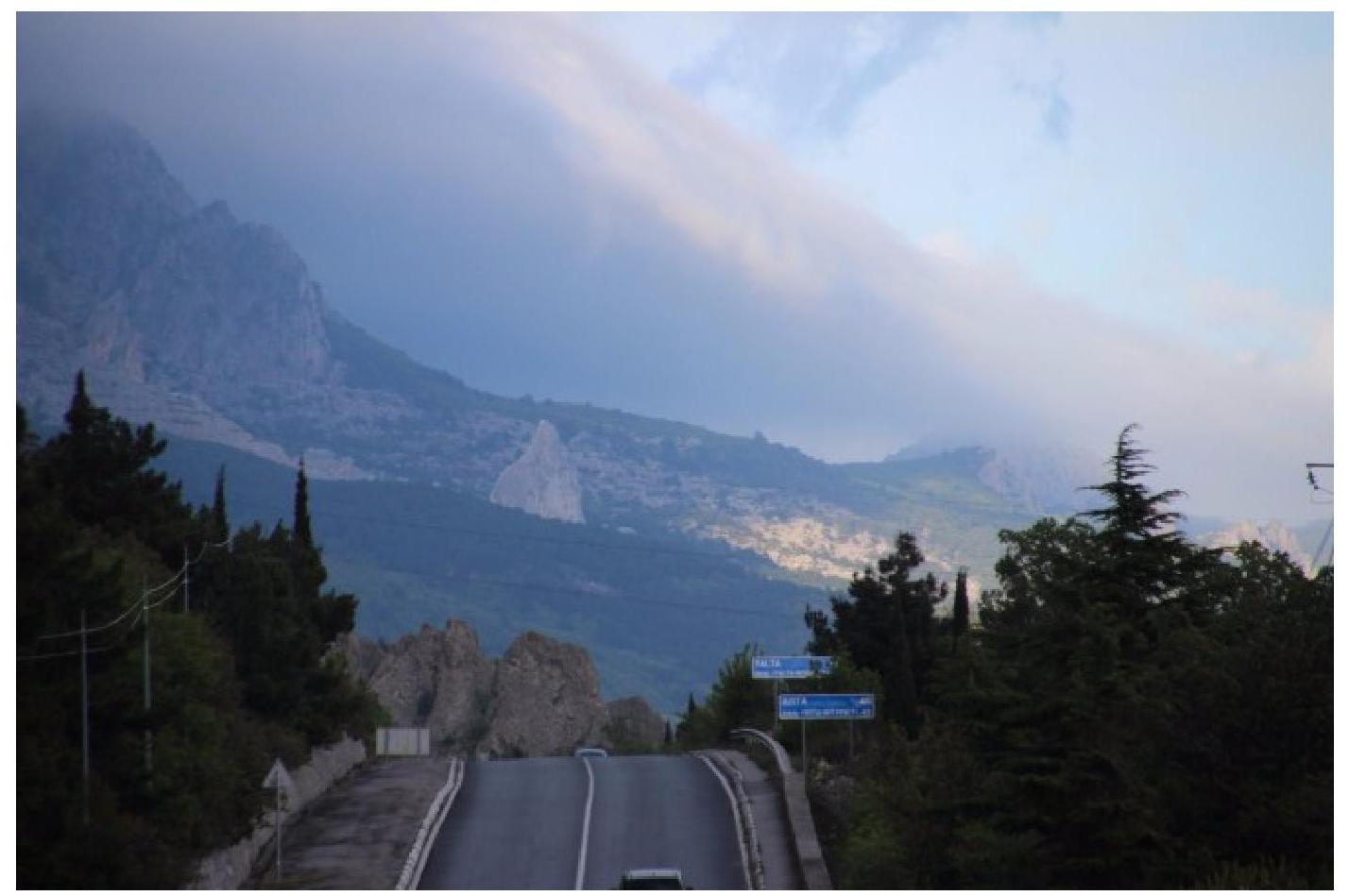
Please note that not all photos were taken on the described route, as we didn't bring a normal camera, and not everything turned out publishable on the phone.
Photo credits:
- Ivan Temerev
- Elena Temereva
- Fedor Kopytov