
Report on the ascent of Peak Odessa via the center of the NW wall by the Rostov region team
1. Climbing Passport
- Pamir-Alai, Turkestan Range, Kara-Su gorge, section 5.4.3 in the 2008 classification table
- Peak Odessa, 4810 m, via the center of the northwest wall
- Category: 6B
- Route type: rock
- Wall section height difference: 1100 m
Route length: 1555 m. Section lengths:
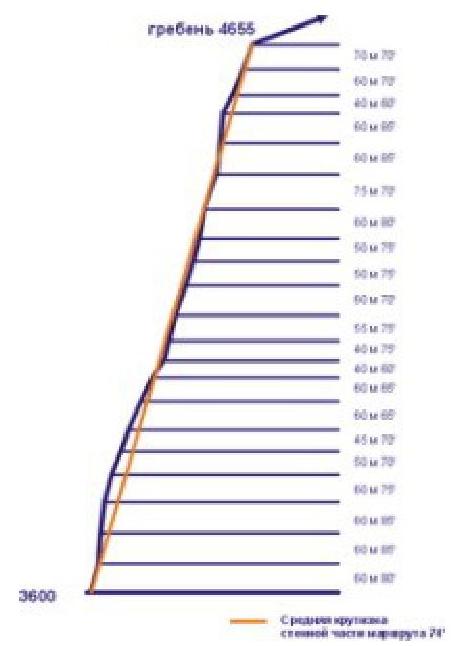
- V–VI category: 1155 m. Average steepness of the wall section: 74°
- Pitons left on the route:
total 16, including 0 bolts. Pitons used on the route:
- stationary bolts: 1, including 1 for artificial aid (ITO)
- removable bolts: 8, including 0 for ITO
- fiffies: 113
- anchors: 65
- camalots: 64
- stoppers: 90. Total artificial aid points (ITO): 332
- Team climbing hours: 54 hours, 8 days
- Team leader: Spiridonov Alexander Semenovich, Candidate Master of Sports
Team members:
- Dmitrienko Evgeny Vladimirovich, Master of Sports
- Podlesny Dmitry Nikolaevich, Candidate Master of Sports
- Petyakshev Vasily Nikolaevich, Candidate Master of Sports
- Bolkovoy Evgeny Vladimirovich, Candidate Master of Sports
- Coach: Pyatnitsin Alexander Alekseevich, Master of Sports
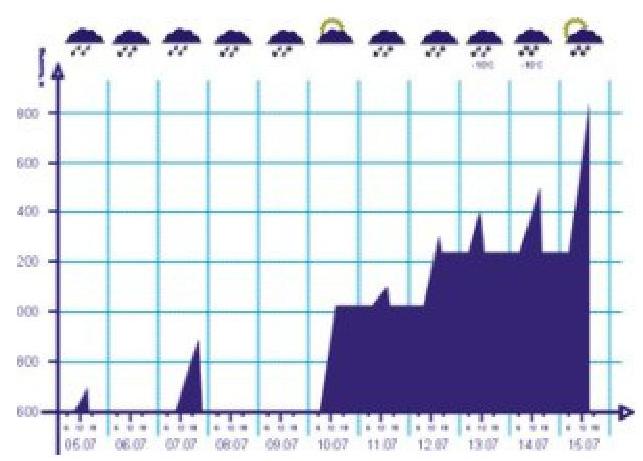
- Acclimatization: July 5, 2009, 10:00–14:00; July 7, 2009, 10:00–15:00. Weather wait: July 6, 8–9, 2009. Route start: July 10, 2009, 6:00. Summit: July 15, 2009, 14:00. Return to Base Camp: July 16, 2009, 15:00.
- GENERAL PHOTO OF THE SUMMIT
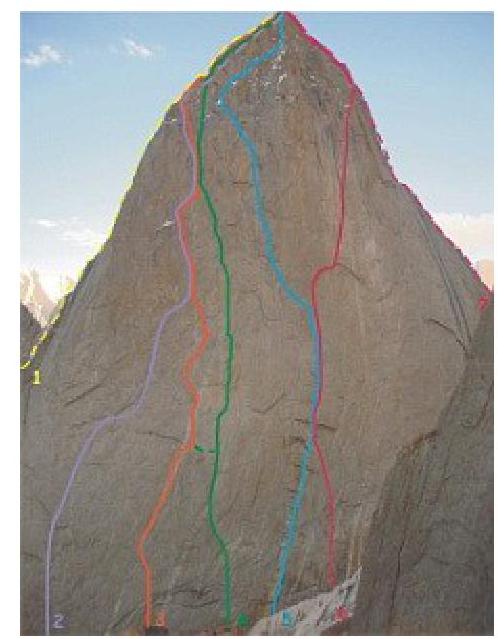
1 — M. Sitnik 86, 2 — V. Igolkin 90, 3 — A. Kritsuk 88 (route taken by the team), 4 — A. Rusyaev 88, 5 — A. Voronov 88, 6 — Kopeiko 88, 7 — S. Ovcharenko 88. Taken on July 29, 2007. Shot location — descent ridge of peak Asan
- DRAWN ROUTE PROFILE
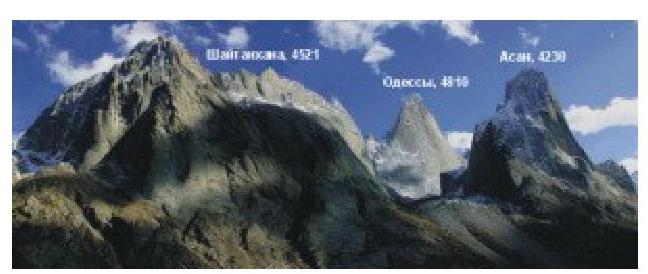
- PHOTO PANORAMA OF THE AREA
- MAP SCHEME AND DESCRIPTION OF THE AREA
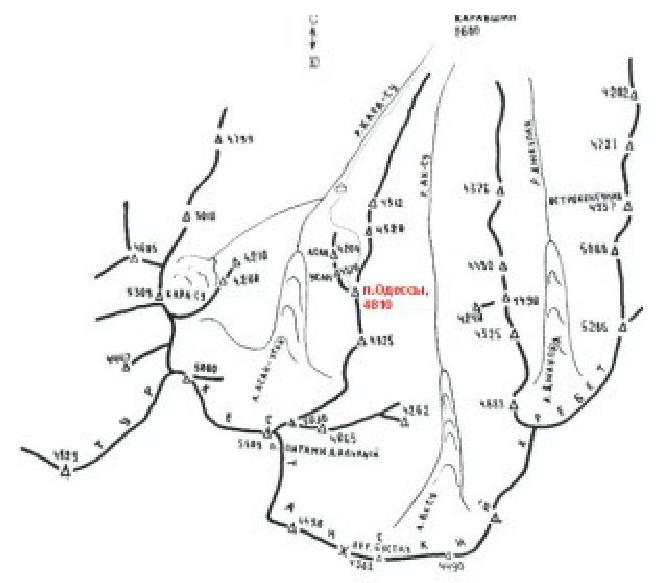
The Karavshin area includes two gorges: Ak-Su and Kara-Su. The Kara-Su gorge, named after the eponymous peak, is of the greatest interest. Here are located:
- peak Piramidalny (the highest point of the area),
- peaks Asan and Usen,
- Yellow Wall,
- peak Odessa, famous for its Northwest and East walls.
The base camp in the Kara-Su gorge is located 50 km from the large settlement of Vorukh — a Tajik enclave on the territory of Kyrgyzstan.
The goods are usually transported:
- on donkeys
- on horses
This takes 2 days.
You can get to Vorukh by car from Batken. From Bishkek to Batken, you can travel by various means of transport.
The approach from the base camp to the NW wall of peak Odessa takes from 2 to 3 hours, depending on the amount of cargo and the group's acclimatization.
- CLIMBING SCHEDULE
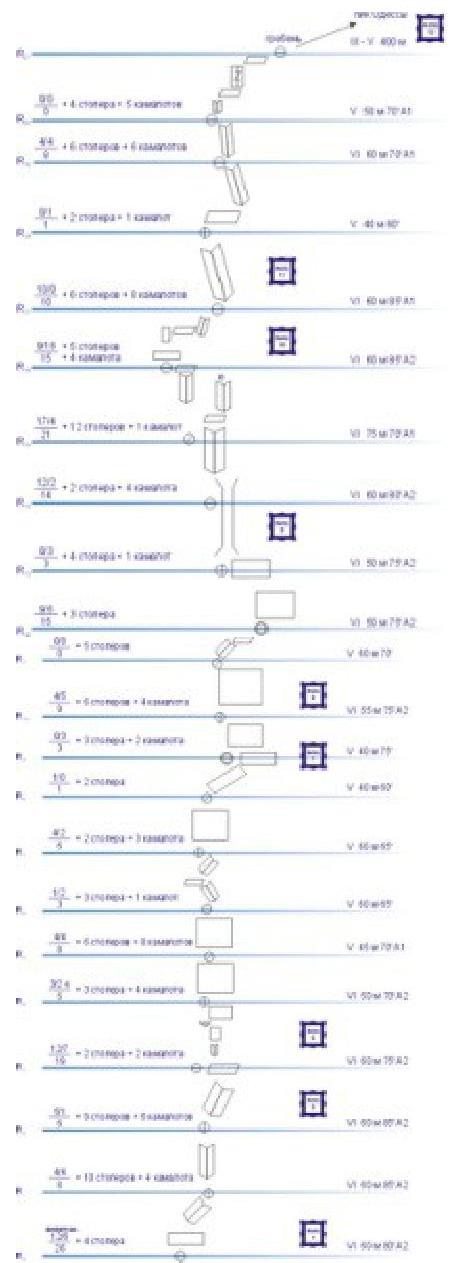
- UIAA SYMBOL SCHEME
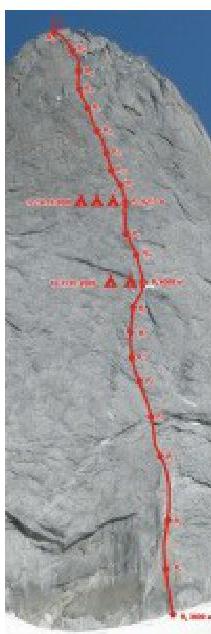
- TECHNICAL PHOTO OF THE ROUTE
9. SUMMIT NOTE
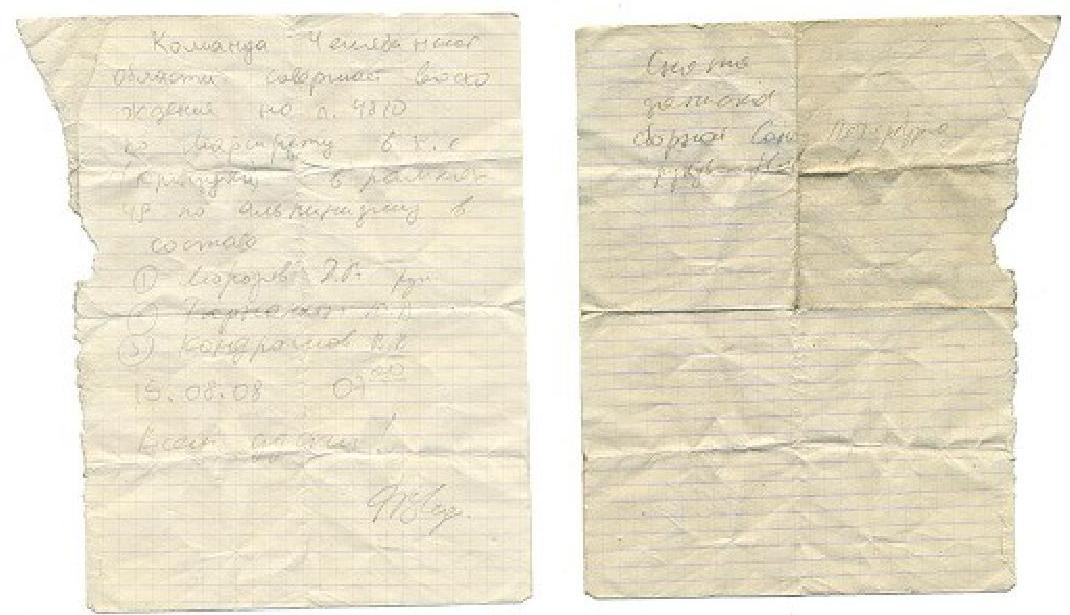
The team from Chelyabinsk region is making an ascent of peak 4810 via a 6-category route (Kritsuk) as part of the Russian Championship in mountaineering, consisting of:
- Morozov D.V.
- Tarnakin Yu.A.
- Kondrashov V.V.
15.08.08 07-00
Good luck! The note of the St. Petersburg team has been removed. Team leader Nagaev
10. Route Description
R0–R1. Up the smooth wall under the overhanging inner corner, slightly to the right of the "patch." Movement is from left to right. Skyhooks and fiffies work well. Many 8 mm diameter holes are found.
R1–R2. Along the inner corner via cracks. Some unsecured "patches" are encountered. Many sharp corners. It is recommended to use double-rope protection. Medium-sized gear is used.
R2–R3. Moving rightward via crotches, then move onto a ledge above. For the belayer, it is safer, but more stones fall. Large stoppers are used. (The crux)
R3–R4. The wall becomes less steep. Move along the corner to the ledge.
List:
- The ledge is traversed in the left part, where it is lower.
- Then 5 meters to the right along the slab.
- And upward to the bolt.
R4–R5. Up the slab via micro-relief on friction. Then slightly left and up — into a small corner. Free climbing is possible.
R5–R6. Using relief, upward and slightly right. Climbing is tense, but protection is reliable.
R6–R7. A short traverse left and into an inner corner, which leads to a quartz vein. Climbing is easy, but protection is challenging in bad weather. Stoppers work well.
R7–R8. Constant traverse along a small ledge to the right until reaching the "mittens" ledge.
R8–R9. From the left part of the "mittens" upward via relief. Free climbing. R9–R10. Climbing becomes increasingly difficult. Move upward to the inner corner, which leads to the left part of the "chest" ledge.
R10–R11. Along the inner corner to the ledge, then right along the ledge to a suitable spot for a bivouac.
R11–R12. From the upper part of the ledge upward to a bolt, then traverse left. Station on bolts.
R12–R13. From the station, slightly upward to a bolt with a rope, then a pendulum left, followed by hooks to a chimney. Up the chimney to a piton.
Protection:
- anchors
- small and medium stoppers.
R13–R14. The chimney continues, with an exit leftward. If there is a lot of ice, it becomes challenging.
Protection:
- sometimes unreliable.
R14–R15. Easy climbing to a corner, then up the right part of the corner to a ledge. R15–R16. Straight up the corner under a small overhang. 4 meters below, a bolted piton is found. From the piton, down and left toward the ledge. It's better to climb onto the ledge under a rock in the center.
R16–R17. From the ledge upward to a small shelf. Then traverse right to an inner corner. Further via a system of cracks, right and up to two bolts.
R17–R18. From the bolt, a 10 m pendulum right to a crack, then up. Climbing is done using artificial aid. Gear is used in all sizes.
R18–R19. To the right of the chimney, exit onto a ledge, then up and left to an inner corner to a comfortable station spot.
R19–R20. Along the inner corner (the left one of two) to a bolt.
R20–R21. Along the inner corner to a ledge, then in the right part of the ledge via a 5 m crack to the next ledge, and exit onto the ridge.
Ridge: straight along the edge for 30 m, then left onto a slab with a crack. The crack leads to "patches," which are easy to climb if dry. If wet, there is a lot of moss.
100 m, category III–V.
To the left of the edge, 5 m of "steps" lead to the edge. Along the edge to a comfortable ledge.
100 m, category III–IV.
A large inner corner with loose rocks, filled with ice — 5 m. Then along the edge to the Big Rock. On the Big Rock, a station is set up. 40 m.
Further along the edge or slightly leftward to the summit. Camalots of medium and large sizes are used for protection. On this section, snow lies the longest, and ice is possible. 140 m.
11. Tactical Actions of the Team
The weather was not on our side: winter had come to the mountains, with winter snow. From the moment we arrived under the wall of peak Odessa, the weather was consistently monotonous: snow with rain.
Such weather did not prevent us from making a goods transport under the wall, during which the entire group was able to acclimatize. The further program was not well-suited to the current weather conditions, but there was no opportunity to wait for an improvement — the expedition time was limited. Therefore, we decided to catch windows in the weather and, at least, start processing the route.
On the 5th, we managed to hang 2 ropes on the wall. On the 6th, it was not possible to work on the route — wet snow was falling with rain. On the 7th, before lunch, we hung another 3 ropes. Work was complicated by the consequences of the previous bad weather — the wall was covered in snow. After lunch, the weather deteriorated again — the same rain with snow, relentlessly, on both the 8th and 9th of July.
Finally, on July 10, we received a good weather forecast — we decided to make a push. Indeed, on the 10th, there was variable cloudiness without precipitation, and we managed to reach a ledge, where we set up platforms and made two overnight stays. However, work on that day was complicated:
- in the first half of the day — by the remaining snow from the previous day,
- in the second half of the day — by waterfalls from the melting snow after the bad weather.
There was a lot of water on the wall, and we were able to significantly economize on water weight in our supplies. Good weather held for only one day. On July 11 and 12, it snowed with rain again. On the 13th, it started to get significantly colder, and the snow with rain gradually turned into just snow. The temperature dropped to -10°C.
In such weather conditions, even with a change of teams, progress was not as fast as we had hoped, but we were still moving upward.
On the night of July 14–15, the bad weather intensified — the wall and we were covered in snow. But by that moment, we had already managed to climb a significant part of the wall. On the morning of the 15th, the weather improved. We started on the route at 6:00 AM. We worked our way up the snowy wall with difficulty to the ridge — and then ran to the summit. On that day, many unpleasant moments on the wall were added by falling ice fragments, breaking off from the wall due to the periodically appearing sun.
We descended via the same route we ascended.
12. Photo Illustrations
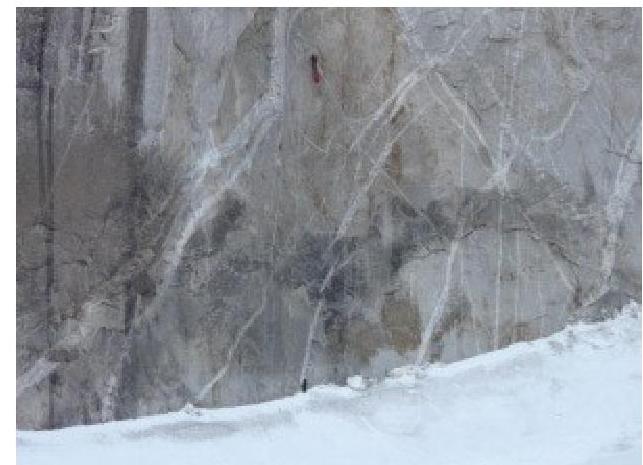
R0–R1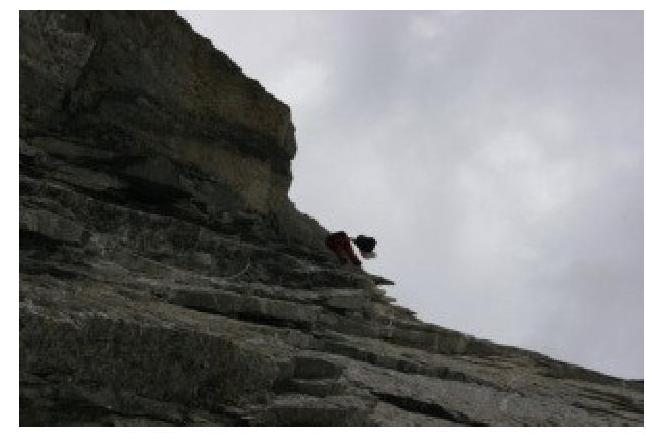
R2–R3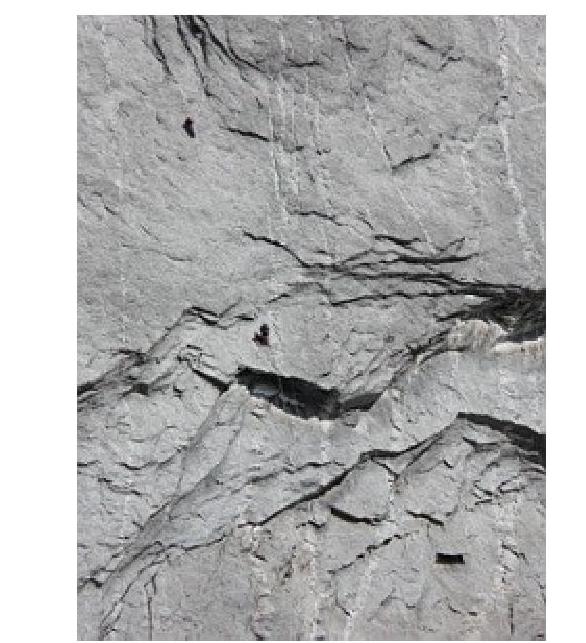
R3–R4
R10–R11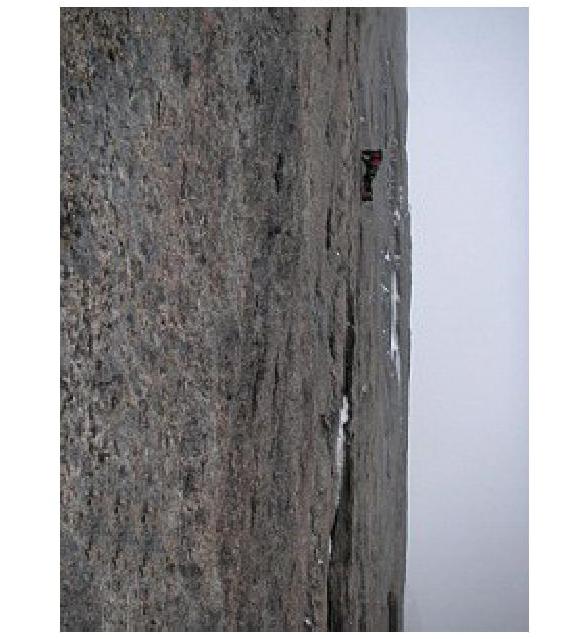
R16–R17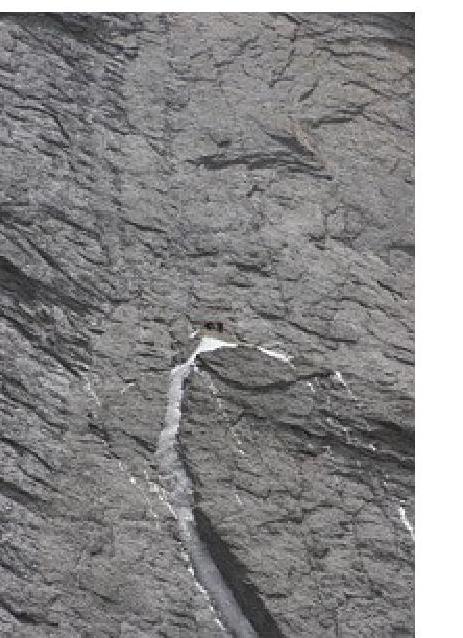
R9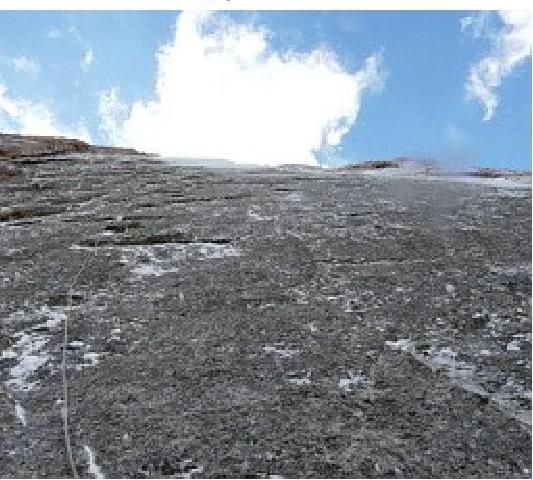
R13–R14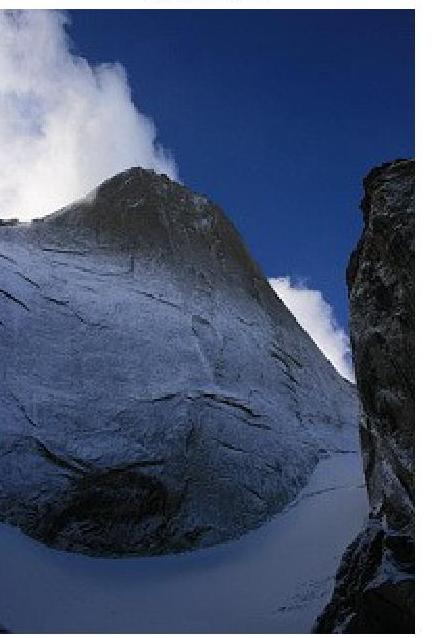
Wall after bad weather R17–R18
Summit!
- TEAM MEMBERS
Pyatnitsin Alexander Alekseevich, Master of Sports
Coach
Pre-summit ridge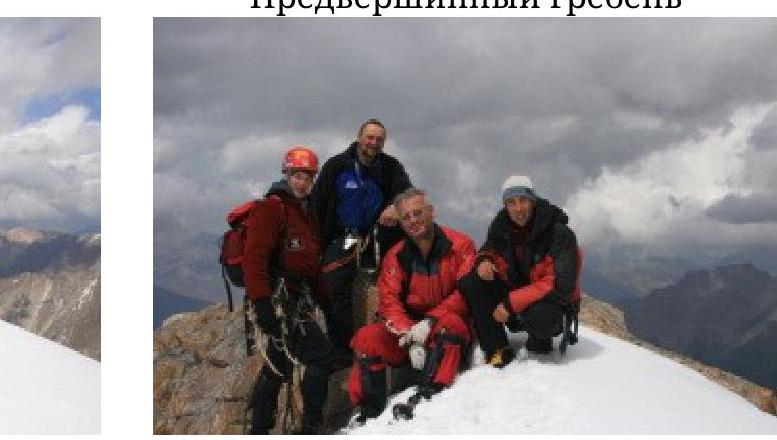
Summit!
Spiridonov Alexander Semenovich, Candidate Master of Sports, Team Captain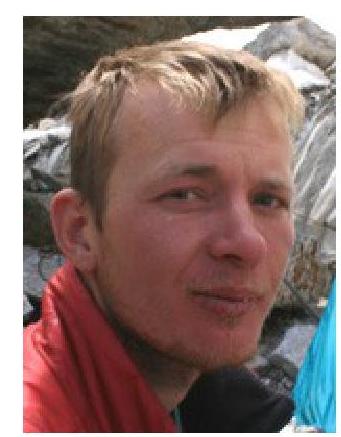
Dmitrienko Evgeny Vladimirovich, Master of Sports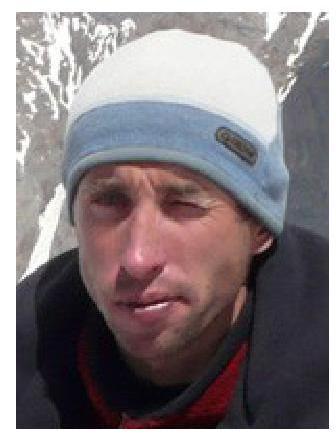
Podlesny Dmitry Nikolaevich, Candidate Master of Sports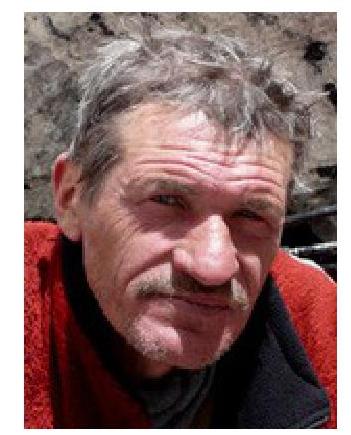
Petyakshev Vasily Nikolaevich, Candidate Master of Sports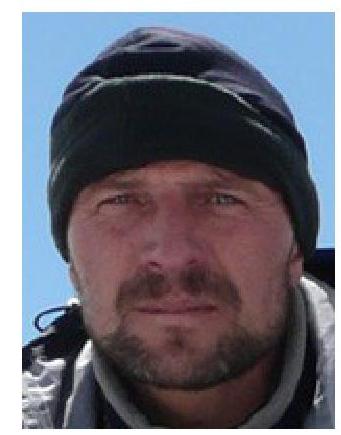
Bolkovoy Evgeny Vladimirovich, Candidate Master of Sports
- CONTACT INFORMATION
344029, Rostov-on-Don, ul. First Cavalry Army, 4a, Federation of Alpinism, Rock Climbing, and Ice Climbing of Rostov region
Phone: +7(863) 242-35-10, Phone/Fax: +7(863) 223-86-12, http://www.donalp.ru ↗, e-mail: [email protected], Federation President Pyatnitsin Alexander Alekseevich
- WITH SUPPORT FROM:

Comments
Sign in to leave a comment