
- Rock climbing
- Pamir-Alay, Turkestan Range
- Peak 4230 m (Asan), center of NW wall
- 6B, second ascent
- Height difference 830 m, length 1015 m, length of 5–6 sections – 865 m, of which 6 – 415 m. Average steepness – 78° (3400–4230 m), of which 6 – 85° (3540–3800 m, 3890–4000 m)
- Pitons driven: rock 54/35, bolted 46/7+39x, chocks 191/66, x – reuse of previously driven pitons
- Climbing hours 36 and days 3
- Overnights: 1 – four in a tent on a ledge, two in hammocks; 2 – four in a tent in a "niche", two in hammocks
- Team leader: Sergei I. Bershov MSMK Valentin L. Gorenko CMS Gennadiy V. Kopeyka CMS Vladimir T. Polyanskiy CMS Vladimir D. Rybchenko CMS Anatoliy A. Tanets CMS
- Coach: Sergei I. Bershov
- Approach to the route: June 18, 1988 summit June 20, 1988 return June 21, 1988
- Kharkov City Alpine Club
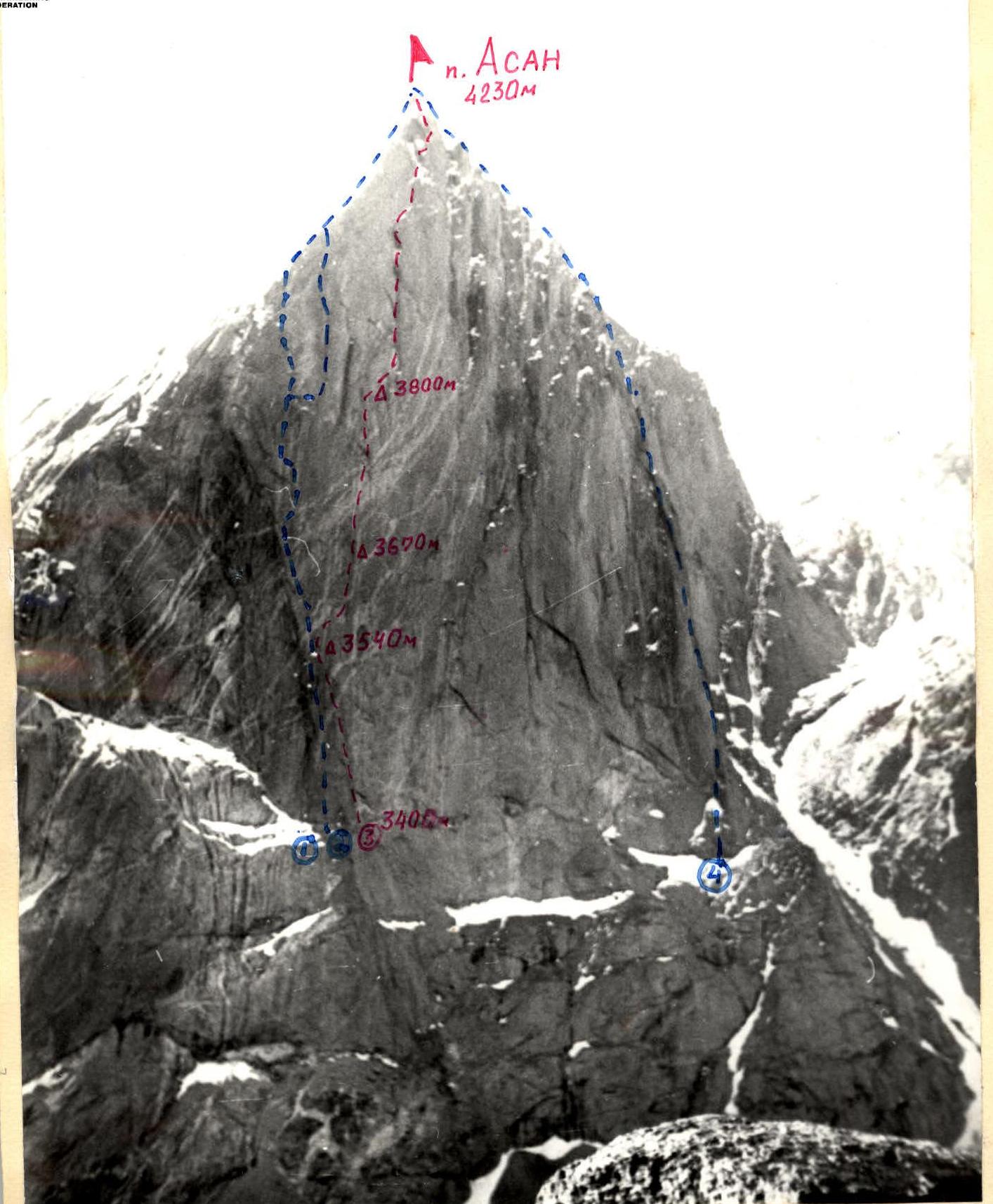
PHOTO 1. The picture was taken from the opposite slope (3600 m) on June 12, 1988 at 12:00. Distance 2000 m. Lens "Triplet 69-3" (F=40 mm)
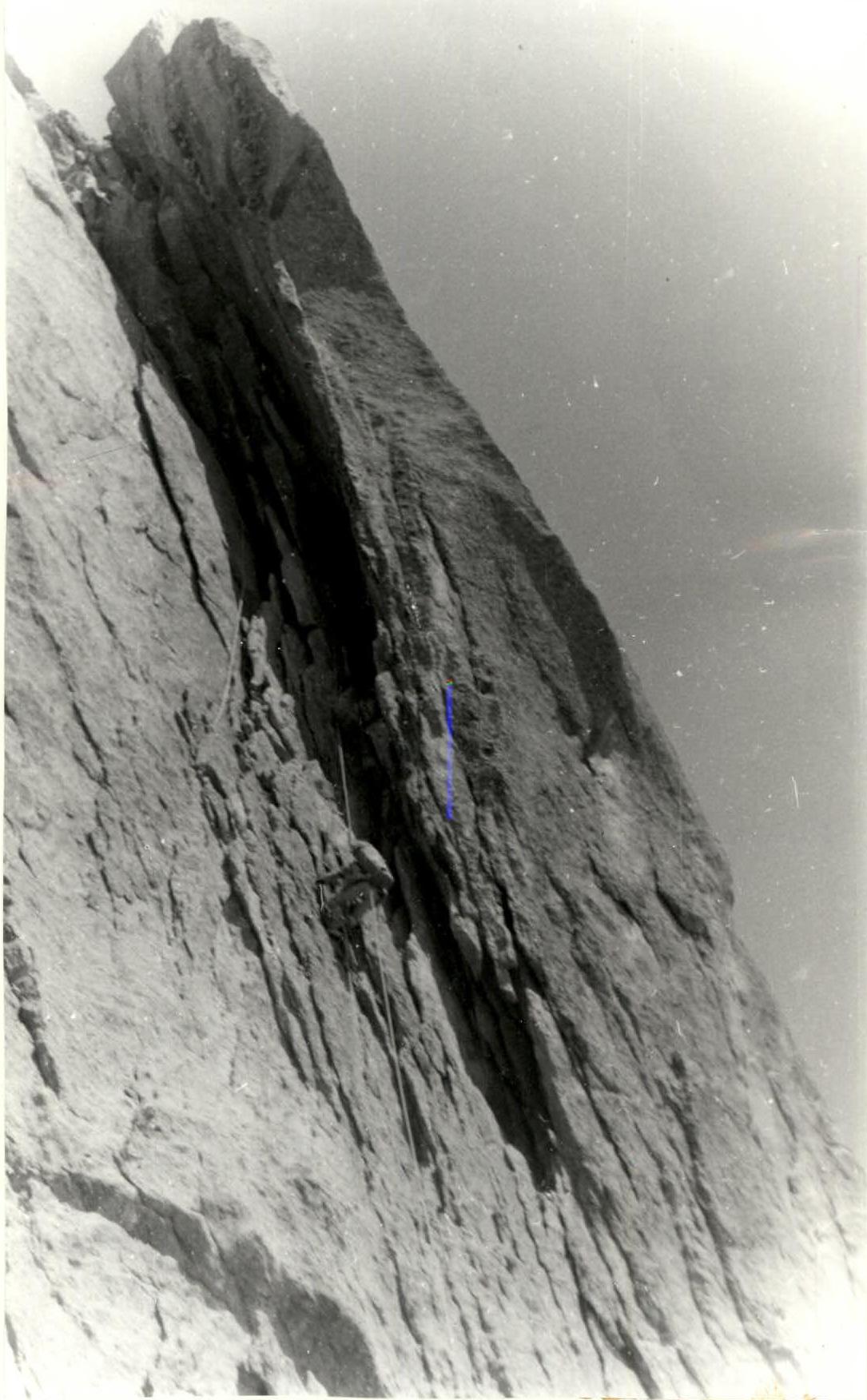
Photo 21. Section R19–R20. Inner corner with a chimney. Work of the first rope.
Date and time of shooting – July 6, 1988, 16:30
Lens – "Helios 44A" (58 mm)
Shooting point – R19.
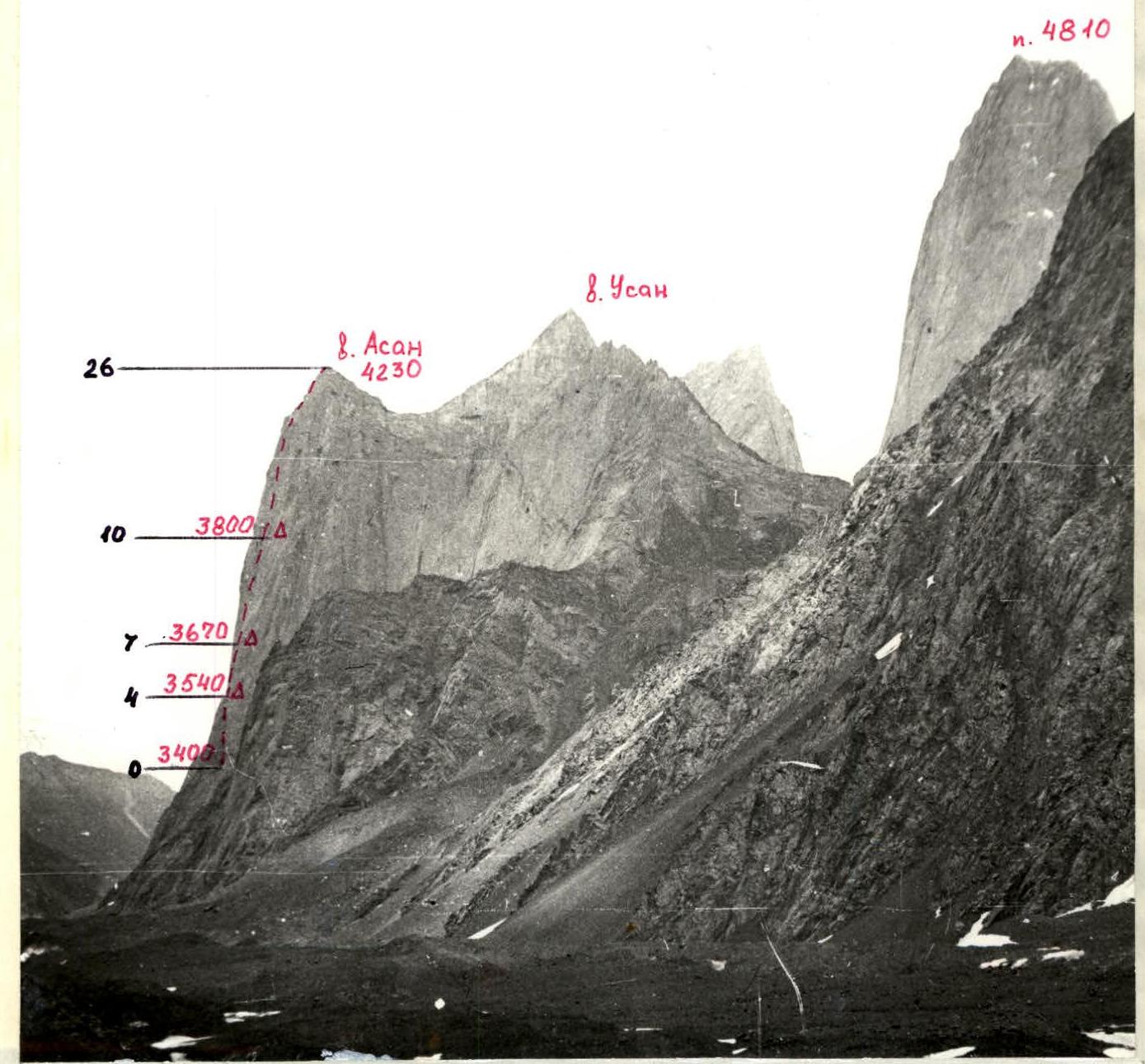
PHOTO 2. Profile of the wall on the right. Taken on June 27, 1988 from the Asan-Uzan glacier, lens "Helios 44" (F=44 mm), distance 3000 m, height 3200 m.

PHOTO 3. Profile of the wall on the left. Taken on June 17, 1988 at 13:00 from the W slope of the Kara-Su gorge, lens "Helios 44" (F=44 mm), distance 2000 m, height 3100 m.
Tactical Actions of the Team
The team completed the route with two overnights, instead of the planned three, in 36 climbing hours. When drawing up the tactical plan, we were guided by the schedule of the first ascenders — the team of the Odessa alpine club (5 overnights), as well as by the unstable weather immediately before the ascent — daily precipitation in the second half of the day. However, during the ascent, the weather was good for all three days and, thanks to the clear, coordinated actions of the team members, we moved along the route ahead of schedule.
The first overnight was planned on the "finger" (R4), but the Bershov-Kopeyka rope (PHOTO 9), having processed two more ropes than planned on the first day, stopped for the night on a small ledge (R7). The decision on separate overnight stays was made on the route and was due to the fact that there was bivouac equipment for such an overnight stay, and voice communication could be established between sections R4 and R7. To provide the Bershov-Kopeyka rope with bivouac equipment and supplies from the site on the "finger", the Rybchenko-Gorenko rope followed the processed route. They brought to R7: — a gas burner (those overnighting on the "finger" had a primus stove); — food; — a flask with water; — the rest of the equipment and supplies.
The next day, the leading Bershov-Kopeyka rope, without wasting time and effort on ascending the "fixed ropes", promptly began further processing of the route, which ultimately led to a reduction in the total number of climbing hours. The problematic section of the route (R4–R9) "mirror" was passed by the leading rope according to a predetermined plan. The first in the rope climbed the route using skyhooks and "hooked legs". The second provided insurance through a braking device on 3 blocked points, standing on a site.
The second overnight stay was at the planned location, in the "niche" (R10, PHOTO 9), but, since it was possible to process 4.5 ropes above this overnight stay (R10–R16, PHOTO 11), the team reached the summit the next day, ahead of the time schedule by 11 climbing hours. Both overnight stays were organized in safe places.
On R17–R18, ice was encountered in the inner corner, and the rocks became wet. In rope No.3, Kopeyko replaced Gorenko, because he had plastic boots with crampons. The second large cornice (R17–R18) was bypassed by the first ascenders on the slabs to the right. But the slabs turned out to be covered with flow ice and we had to pass through a 20-meter cornice "head-on" using ITO. There were no other deviations from the tactical plan. On the route, the Kharkov alpine club team worked in ropes:
- Bershov-Kopeyka (R4–R7, R7–R10)
- Tanets-Polyanskiy (R0–R4, R18–R25)
- Rybchenko-Gorenko (R10–R16, R16–R19)
The leaders in the ropes changed during the day. The first worked without a backpack in galoshes or rock shoes on a double rope (one with a UIAA mark). Insurance was provided through the "bug" braking device by Koshevnik. Insurance points were organized in safe places, blocked from multiple points. Participants ascended the fixed ropes with top insurance. Backpacks were lifted on themselves (PHOTO 8, 10, 11), since their weight did not exceed 8–10 kg.
A variety of equipment was used on the route: — chocks (including those with a curved profile); — pitons; — "friends"; — skyhooks; — "hooked legs"; — lightweight ladders; — jumar.
Work on the route began at 8:00, rise at 6:30. Food was prepared on a "Yuvel" primus stove and a gas burner. Calorie-rich food and balanced drinks were issued in flasks per day. The leading rope finished work around 20:00 and descended to the prepared bivouac. All overnight stays are safe.
On the "finger" they set up a tent, where four people were accommodated (R4), two spent the night on a shelf (R7) in hammocks.
In the "niche", on the second overnight stay: — hung two hammocks; — the rest were in a tent (R10).
According to the tactical plan, the team was observed daily from the moraine under the wall with binoculars. Communication with observers was carried out via the "Kaktus" radio station.
The rescue team, jointly with the alpine club of Dnipropetrovsk, was located 1.5–2 hours from the start of the route on an arching glade.
There were no falls or injuries. The team completed the route confidently, with a margin of safety, paying main attention to safety in accordance with the tactical plan.
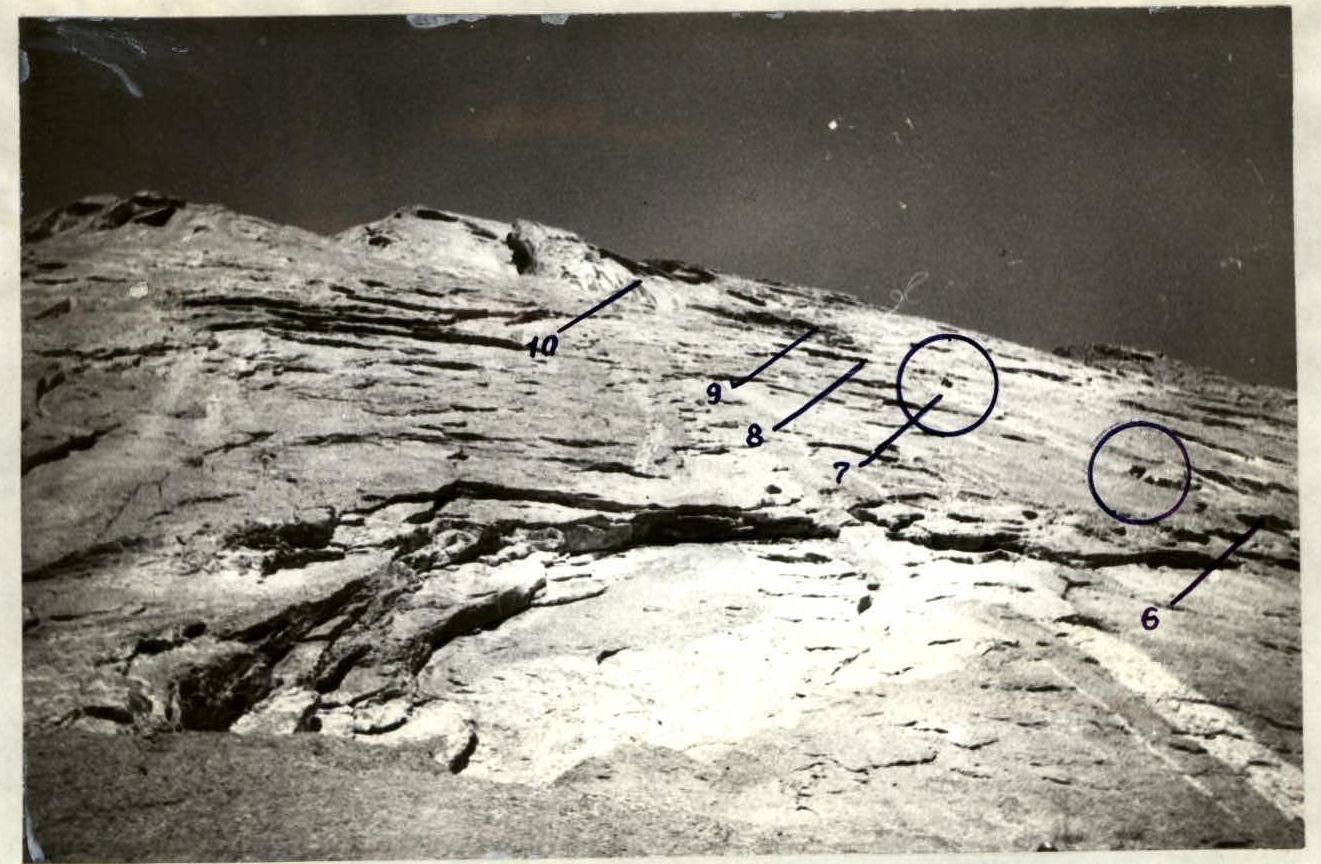
PHOTO 9. "Mirror" of the wall. The Bershov-Kopeyka rope works on R6–R7. Taken from the "finger" (R4) on June 18 at 14:30.

Comments
Sign in to leave a comment