
MINISTRY OF SPORT, TOURISM AND YOUTH POLICY OF KRASNOYARSK KRAI
KRASNOYARSK KRAI SPORTS FEDERATION OF ALPINISM
Siberian Federal District Championship in Alpinism 2013
Class of Altitudinal-Technical Ascents
Report
Krasnoyarsk Krai Team, Ascent to Pik Korona 6th Tower, 4860 m via the "canyon" of the western wall
Proposed:
- 5B category of difficulty
- First ascent
- Krasnoyarsk 2013
Ascent Passport
- Region — Tian-Shan, Kyrgyz Ridge, 7.4.
- Peak — Korona 6th Tower, 4860 m via the "canyon" of the western wall.
- Proposed — 5B category of difficulty
- Character of the route — combined.
- Characteristics of the route:
height difference of the altitudinal part — 700 m, total route — 760 m. Route length — 850 m, length of sections:
- 6th category of difficulty — 200 m.
- 5th category of difficulty — 350 m. Average steepness of the wall part of the route — 70°.
- Left on the route: pitons — 0, including bolted pitons — 0; " закладок" — 0.
Pitons used on the route:
- bolted stationary — 0
- total IT (Intermediate Technical) equipment about — 200.
- Number of climbing hours — 22, days — 2.
- Leader — Loginov Igor Aleksandrovich, Master of Sports
Participants: Khvostenko Oleg Valerievich, Master of Sports
- Team coaches: Zakharov Nikolai Nikolaevich, Master of Sports of International Class, Honored Coach
Balezin Valery Viktorovich, Master of Sports of International Class
- Date of departure:
on the route — March 5, 2013 at 7:00, on the summit — March 6, 2013 at 18:00, return to Base Camp (Ratsek) — March 7, 2013 at 16:00.
-
Organization: Ministry of Sports, Tourism and Youth Policy of Krasnoyarsk Krai, 2013
Tactical Actions of the Team
The route was climbed in alpine style without prior processing. Started at night from Ratsek Hut. Approach to the start of the route took about 4 hours.
- On the first day, about 500 m of the route was covered.
- Overnight stay in a tent on a good ledge.
- On the second day, the remaining 350 m of the route were covered.
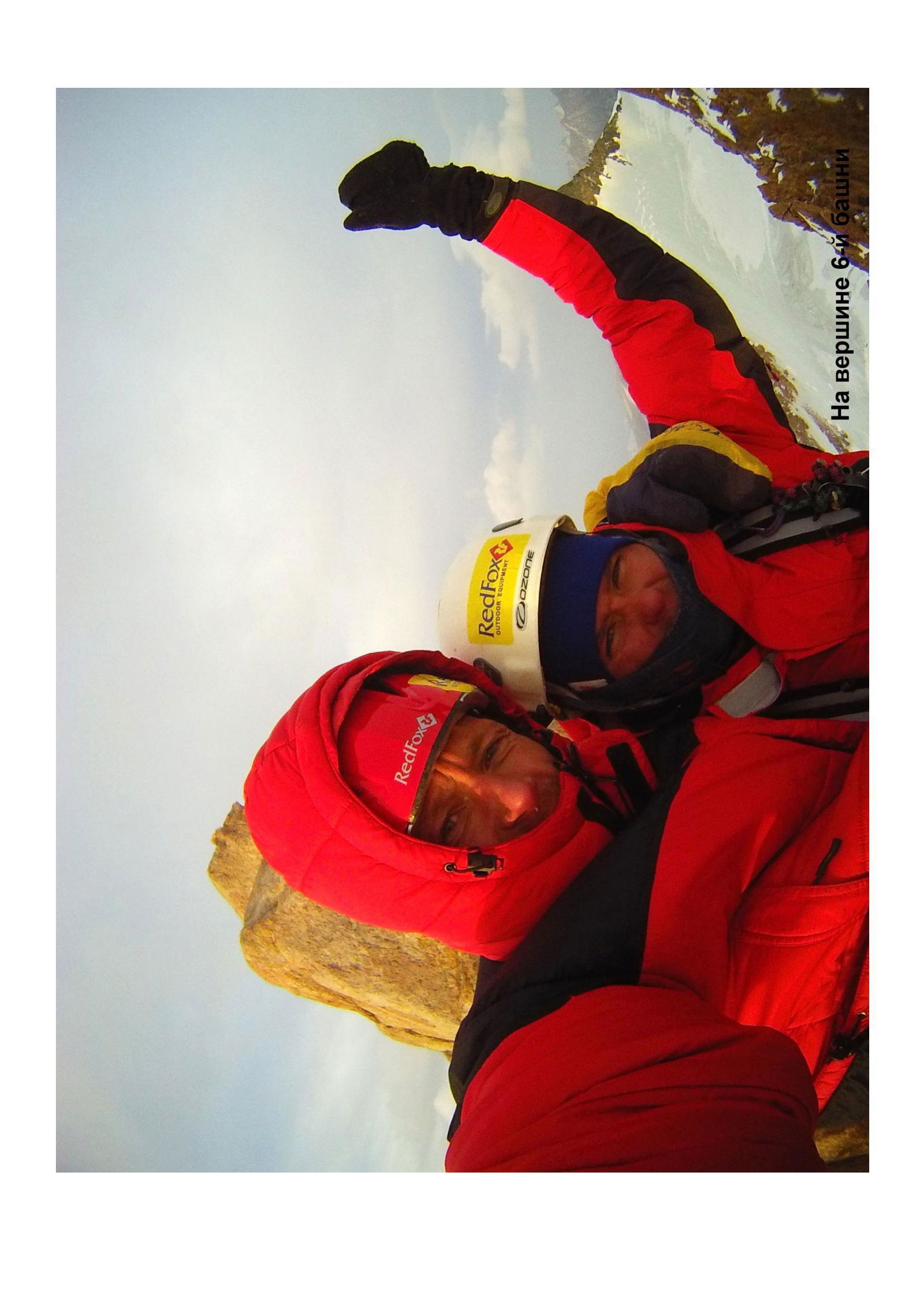
- Overnight stay on the summit of 6B.
- Descent via traverse through 5B Korona.
The entire route can be divided into two parts:
- A wide couloir "canyon", crossing the western wall of 6B diagonally from left to right, length 650 m.
- The summit tower, the route goes along its southern wall, length 200 m.
Comfortable and safe places for overnight stays are available:
- in the upper part of the couloir (exit to the right onto a ridge),
- before the start of the summit tower,
- on the summit tower,
- on the very summit of 6B.
In summer, it is possible to climb the route using free climbing (approximately maximum difficulty up to 6C). However, one should be cautious of rockfall in the couloir.
Approach:
- From Korona Hut
- Through Ak-Sai glacier
- Then to the "bear's corner" — 2 hours 30 minutes
The start of the route is via a snow-ice couloir, transitioning into a clearly defined "canyon".
Description of the Route by Sections
0 — 1. Snow-ice slope, transitioning into a couloir. 100 m, 50°. 1 — 2. Internal angle with cracks, at the end a small cornice. Exit into a large couloir. 30 m, 75°. 2 — 3. Wide rocky couloir "canyon" with flowstone. 220 m, 65°. 3 — 4. Vertical chimney. 50 m, 85°. 4 — 5. Continuation of the couloir, exit to the right onto a flattening. 100 m, 75°. Good ledge for a tent.
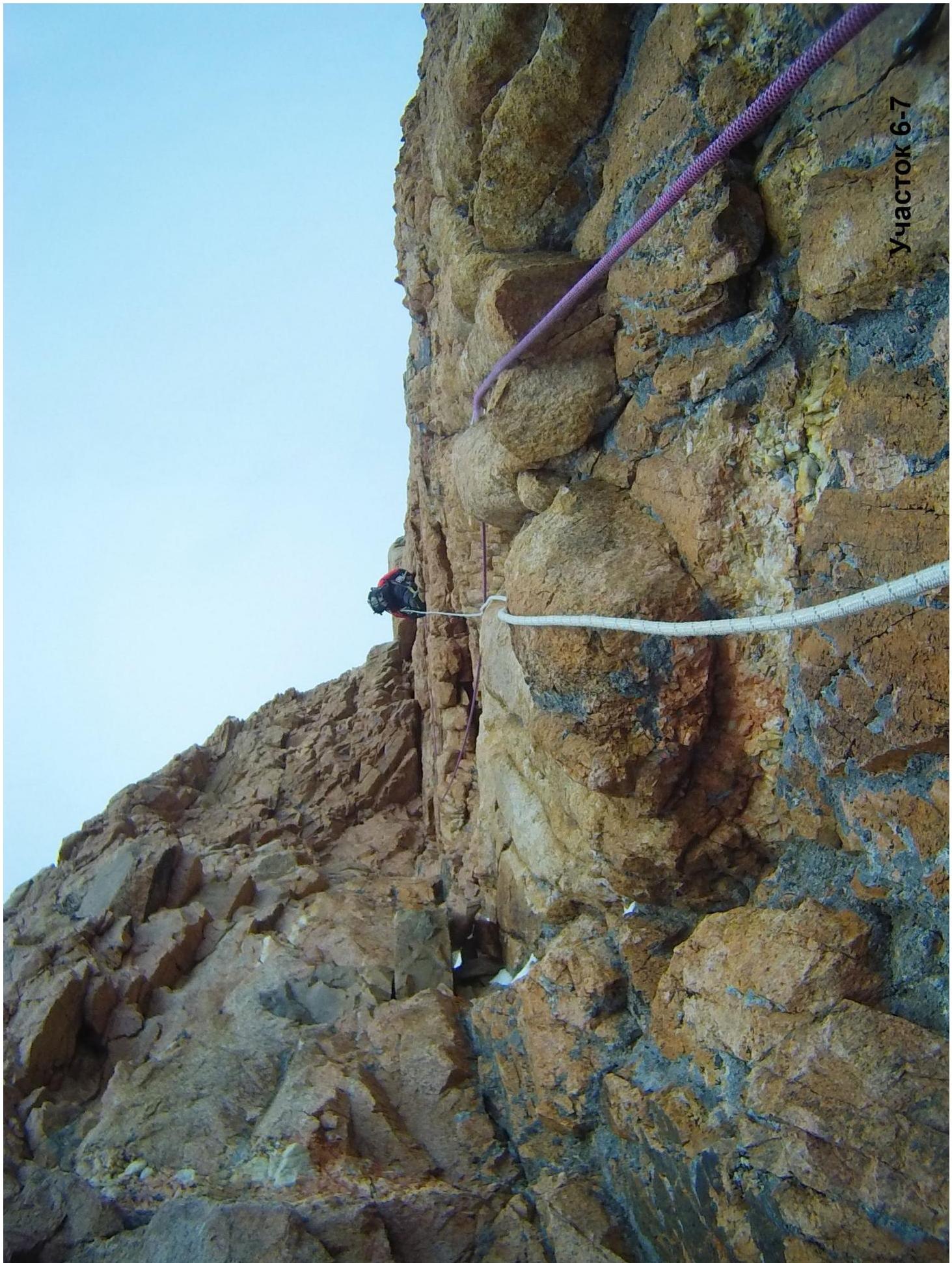
5 — 6. Along the wall to the right of the couloir to the exit onto a shoulder. 150 m, 80°. 6 — 7. Summit tower — a system of walls and ledges. Good relief, местами разрушенный. 200 m, 75°. Scheme of the route in UIAA symbols
| № | Length, m | Angle, ° | Category | |
|---|---|---|---|---|
| 7 | ||||
| 6 | 200 | 75 | VI, A2 | |
| 5 | 150 | 80 | VI, A2 | |
| 4 | 100 | 75 | IV — V, A1 | |
| 3 | 50 | 85 | VI, A2 | |
| 2 | 220 | 65 | IV — V, A1 | |
| 1 | 30 | 75 | V, A1 | |
| 0 | 100 | 50 | II |
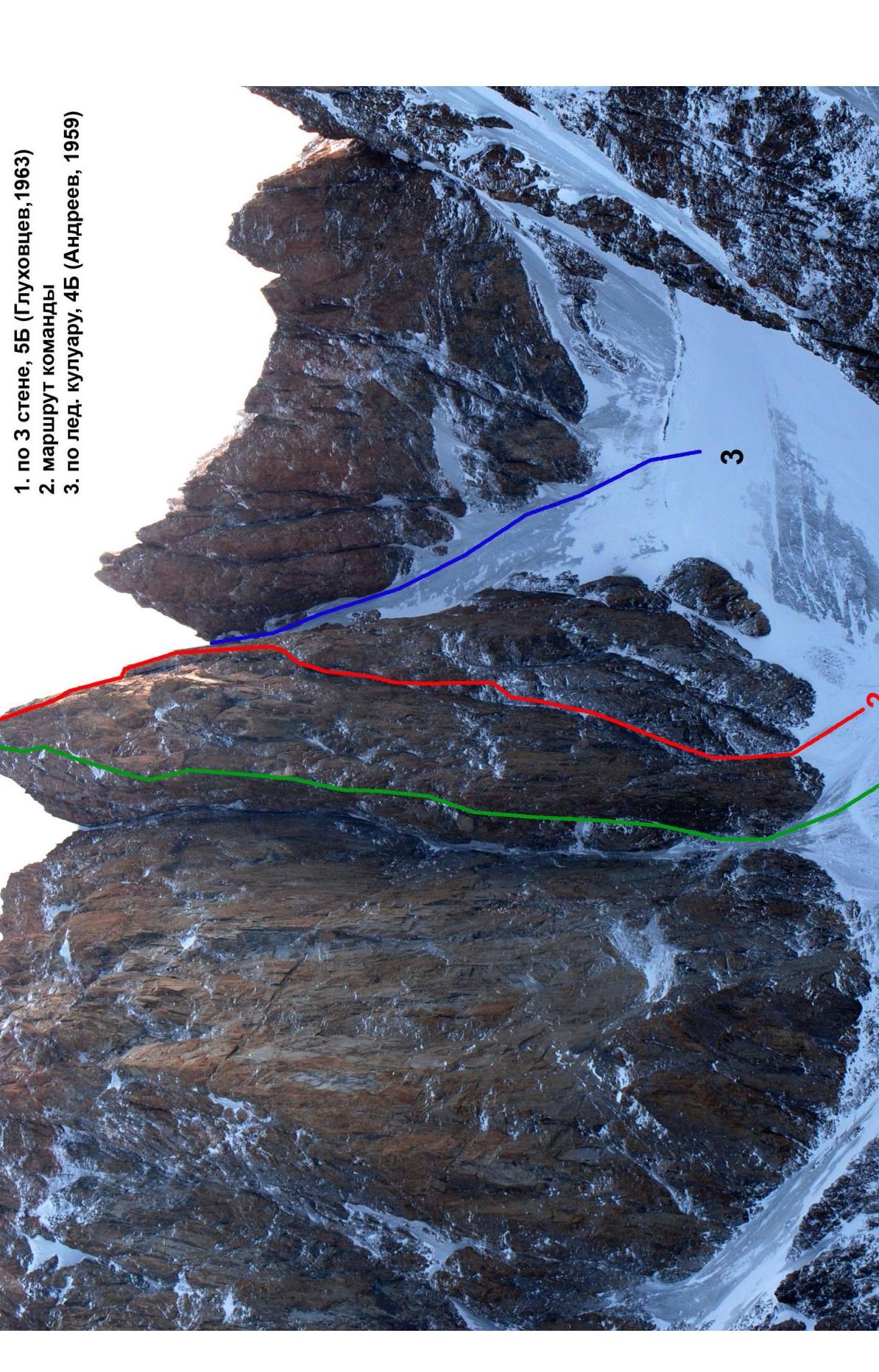
General photo
of the route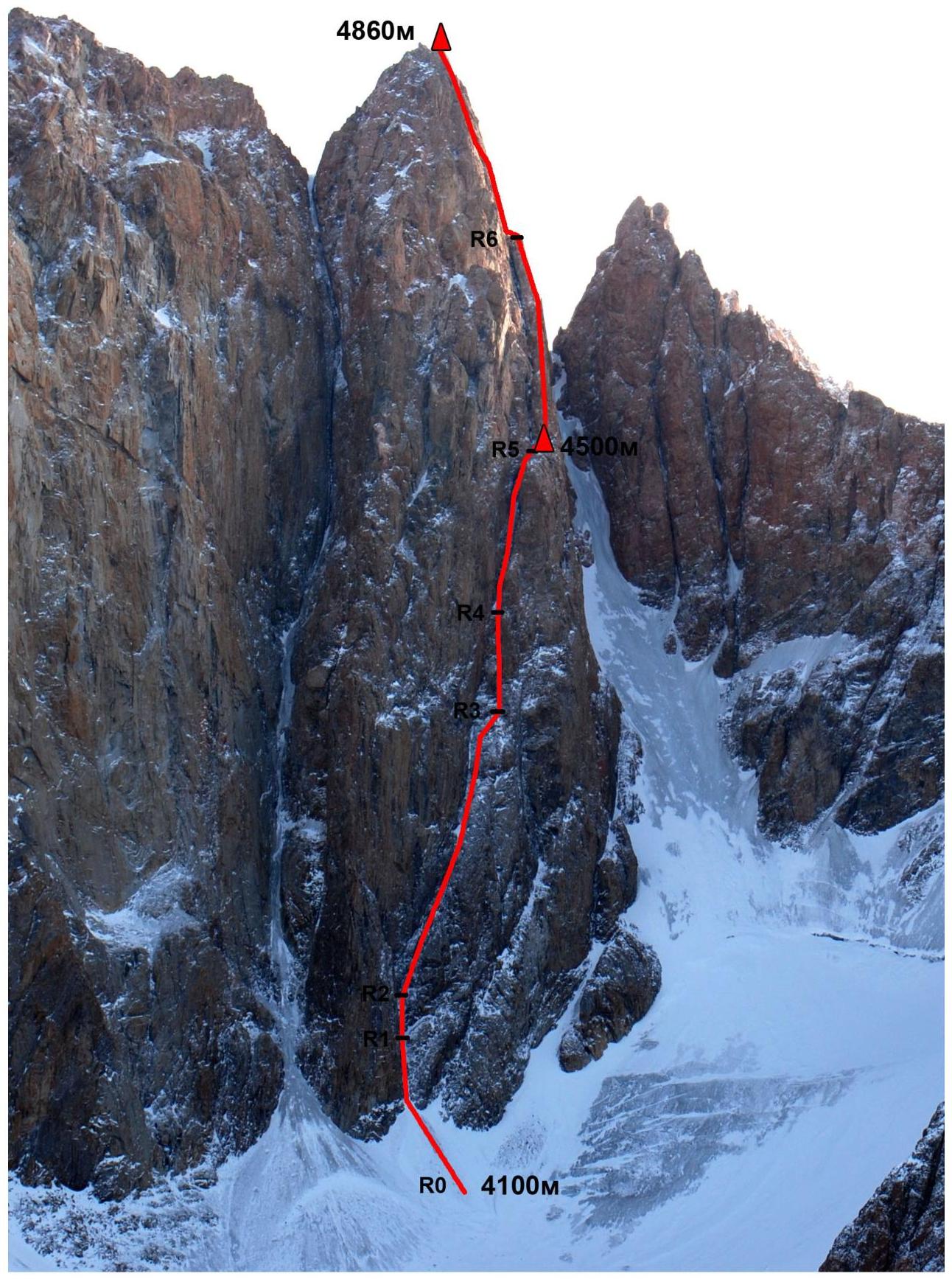
Technical photo
of the route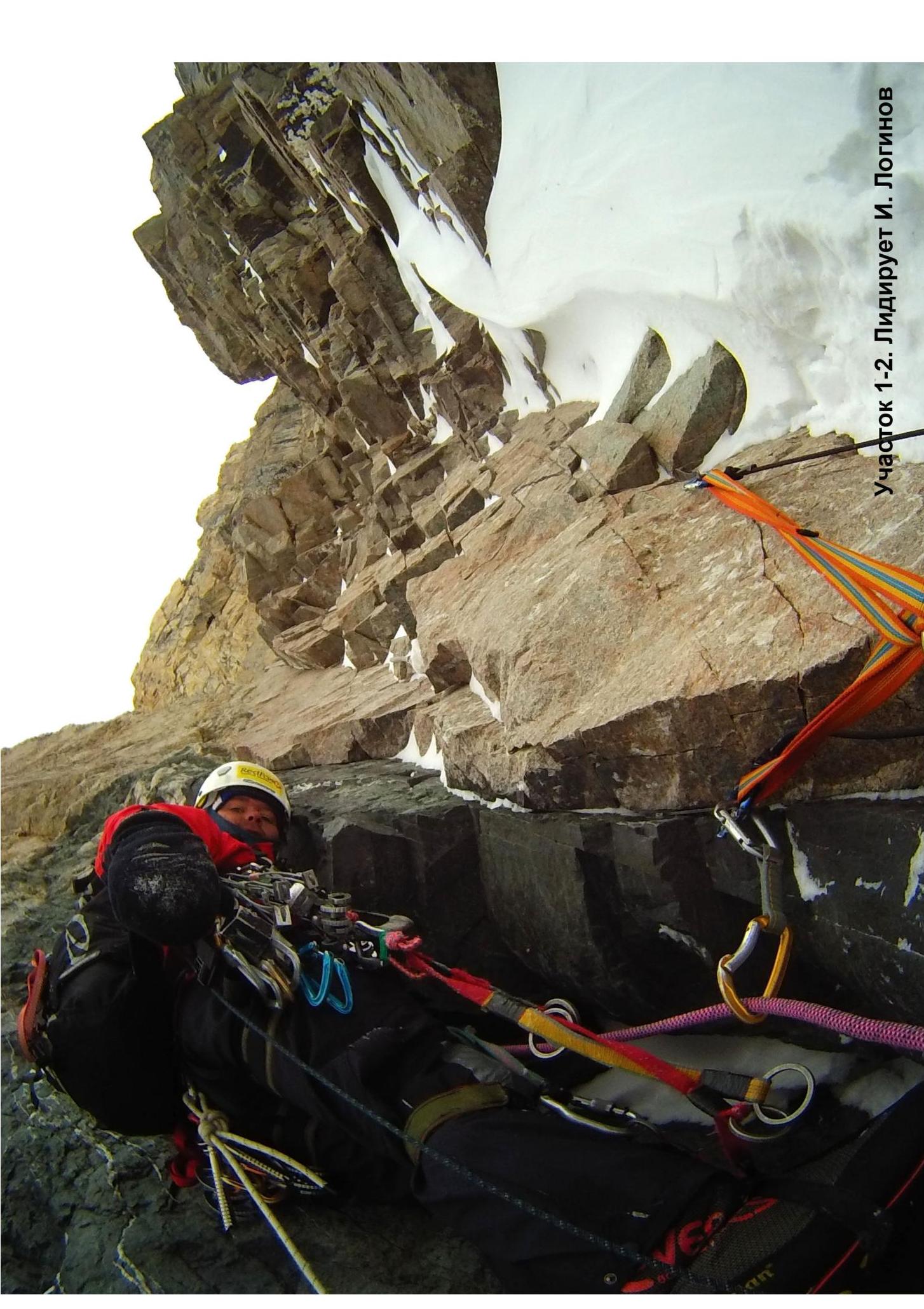
Section R1–R2. I. Loginov is leading
1. Introduction
This document provides an overview of the key concepts and methodologies used in the study ofquantum mechanics.
- Fundamental principles
- Mathematical formulations
- Practical applications
2. Fundamental Principles
2.1 Wave-Particle Duality
Quantum mechanics introduces the concept of wave-particle duality, where particles such as electrons and photons exhibit both wave-like and particle-like properties. This duality is central to understanding the behavior of quantum systems.
2.2 Superposition
The principle of superposition states that a quantum system can exist in multiple states simultaneously until it is measured. This is mathematically represented by a wave function, denoted as |ψ⟩.
2.3 Uncertainty Principle
The Heisenberg Uncertainty Principle states that it is impossible to simultaneously know the exact position and momentum of a particle. This is expressed as: Δx ⋅ Δp ≥ ℏ/2 where:
- Δx is the uncertainty in position,
- Δp is the uncertainty in momentum,
- ℏ is the reduced Planck constant.
3. Mathematical Formulations
3.1 Schrödinger Equation
The Schrödinger equation is a fundamental equation in quantum mechanics that describes how the quantum state of a physical system changes over time. It is given by: iℏ ∂/∂t Ψ(r, t) = Ĥ Ψ(r, t) where:
- Ĥ is the Hamiltonian operator,
- Ĥ is the Hamiltonian operator,
- ℏ is the reduced Planck constant.
3.2 Dirac Notation
Dirac notation is a convenient and convenient way to represent quantum states and operators. It uses bra-ket notation, where the ket |ψ⟩ represents a quantum state, and a bra ⟨ψ| represents its dual.
4. Practical Applications
4.1 Quantum Computing
Quantum computing leverges the principles of superposition and entanglement to perform computations that are infeasible for classical computers. Quantum bits, or qubits, are the fundamental units of quantum information.
4.2 Quantum Cryptography
Quantum cryptography uses the principles of quantum mechanics to secure communication. Quantum key distribution (QKD) is a cornerstone of quantum computing, where key distribution is based on the state of the system.
5. Conclusion
Quantum mechanics is a cornerstone of modern physics, providing a framework for understanding the behavior of particles at the smallest scales. Its principles and mathematical formulations have led to groundbreaking technologies and continue to drive innovation in various fields.
6. References
- Griffiths, D. J. (2005). Introduction to Quantum Mechanics. Pearson.
- Shankar, R. (2012). Principles of Quantum Mechanics. Plenum
Press.

Section
3–4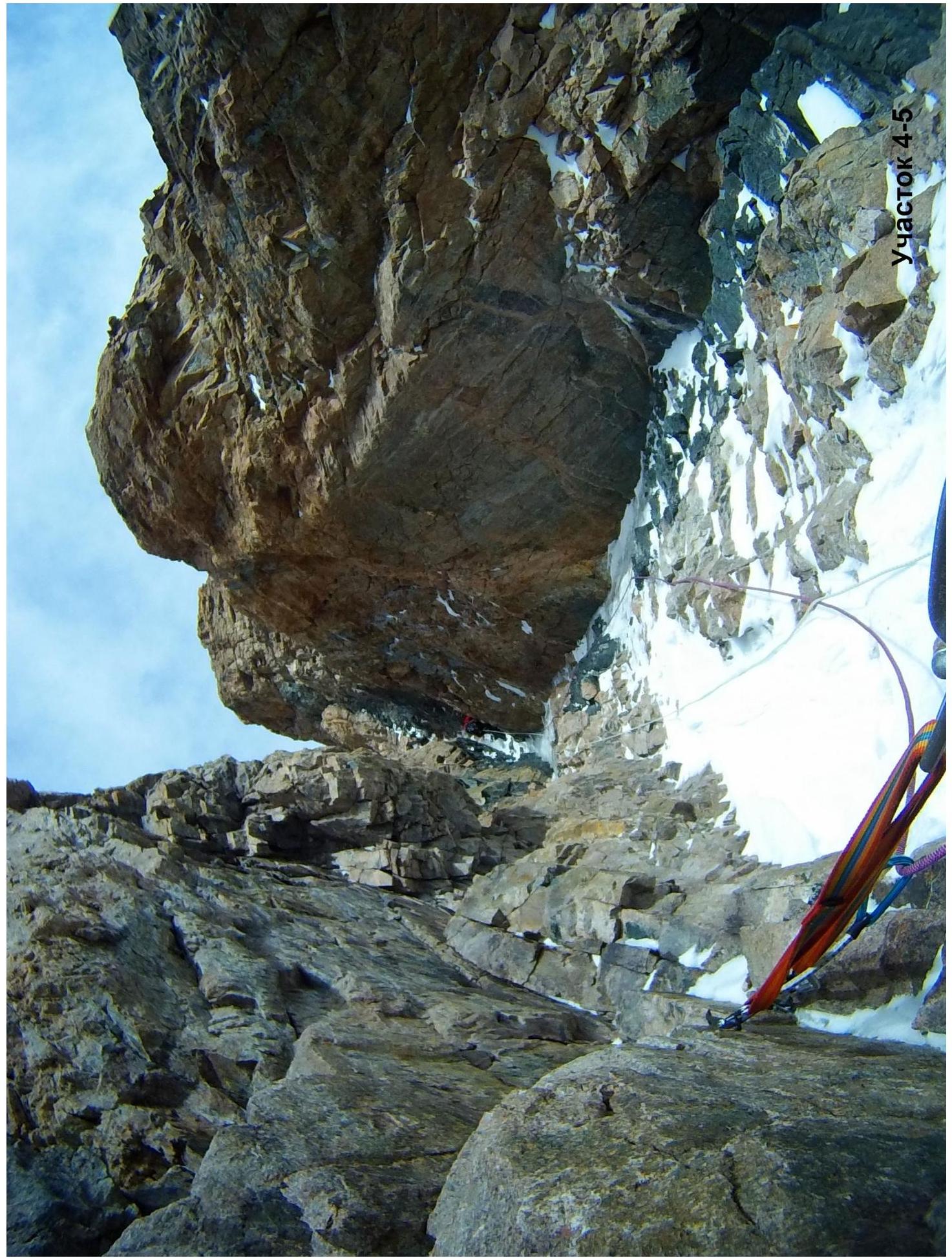
4-5
YAGEN 4–5
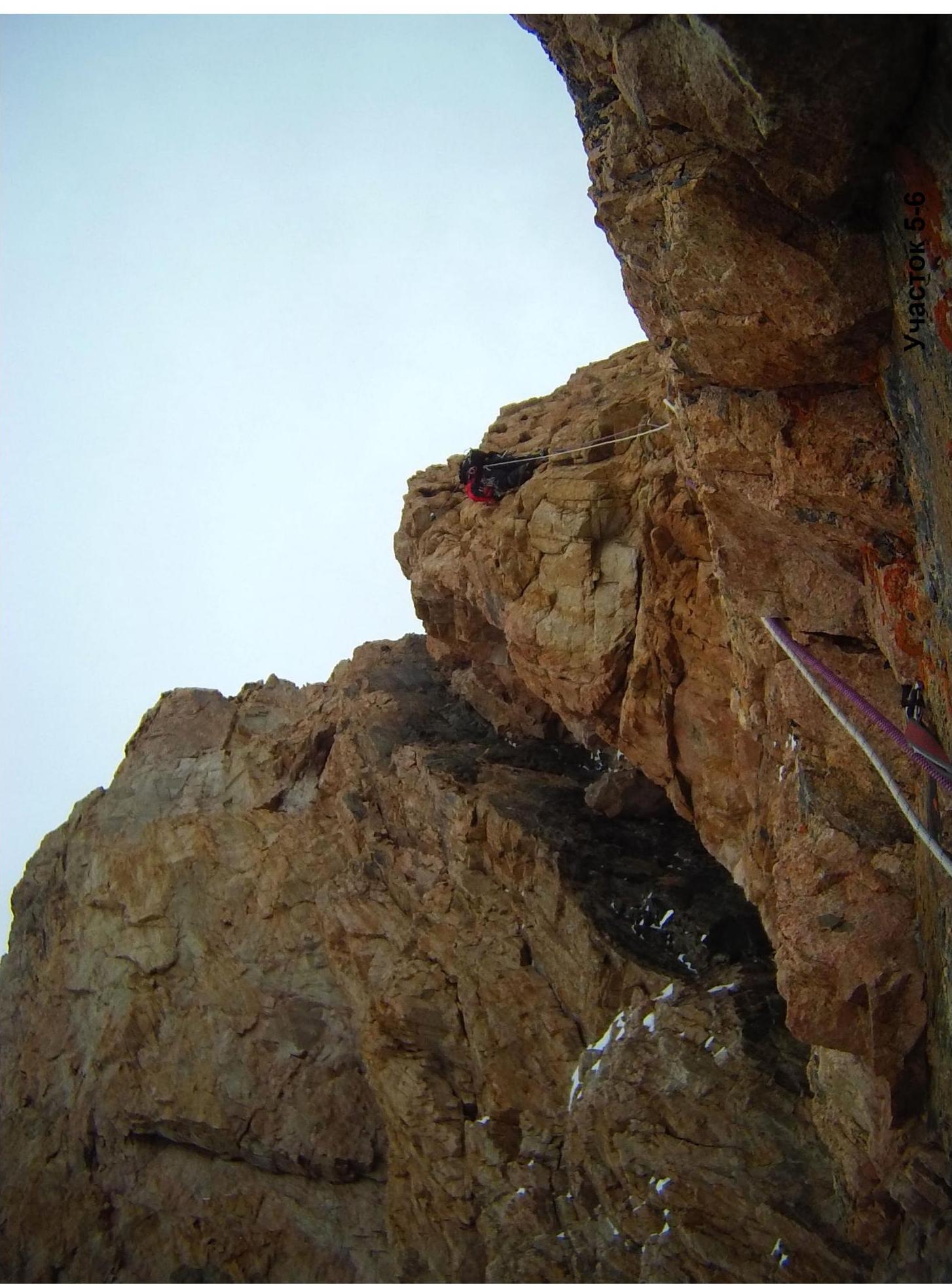
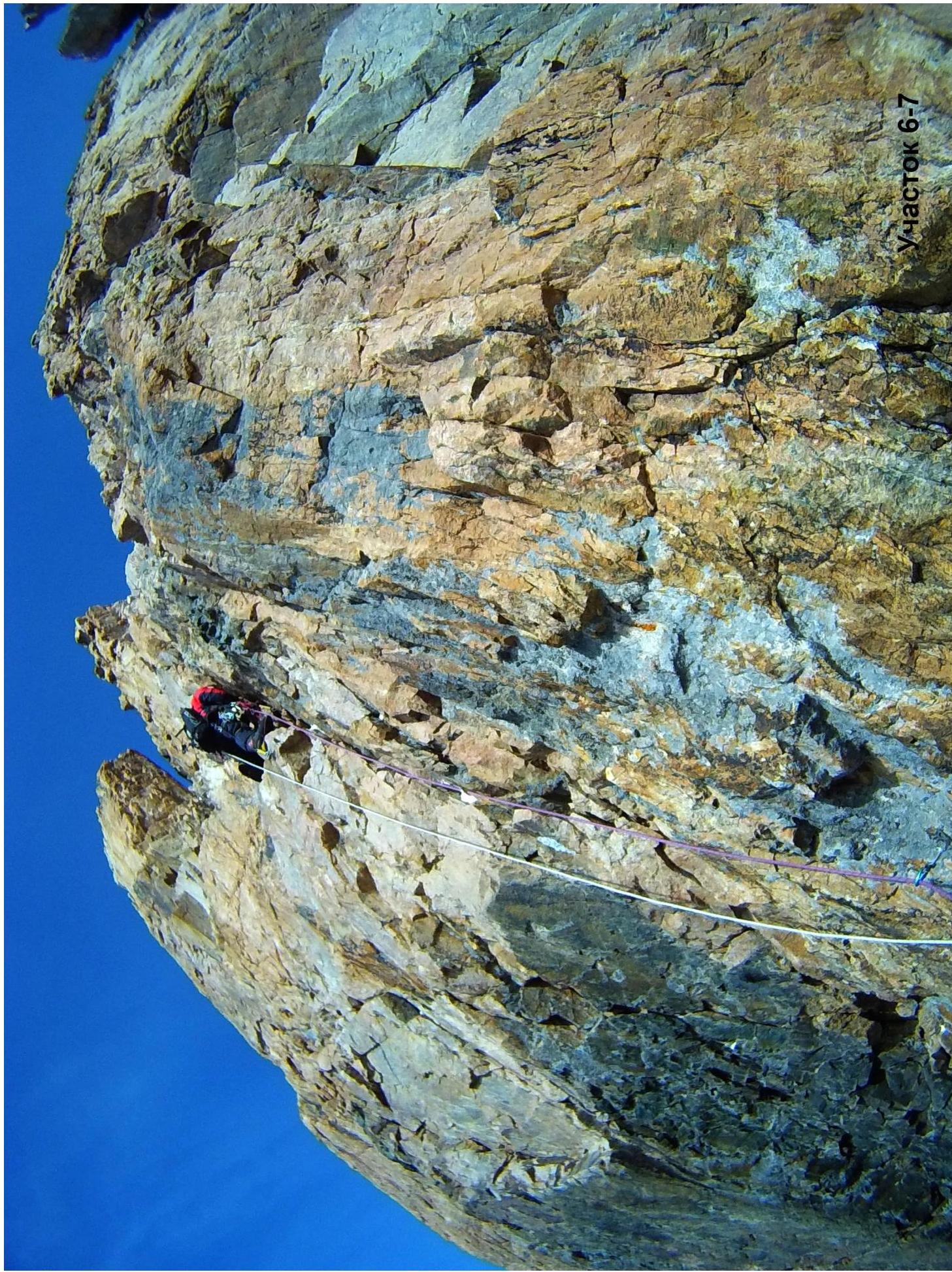
Section
R6–R7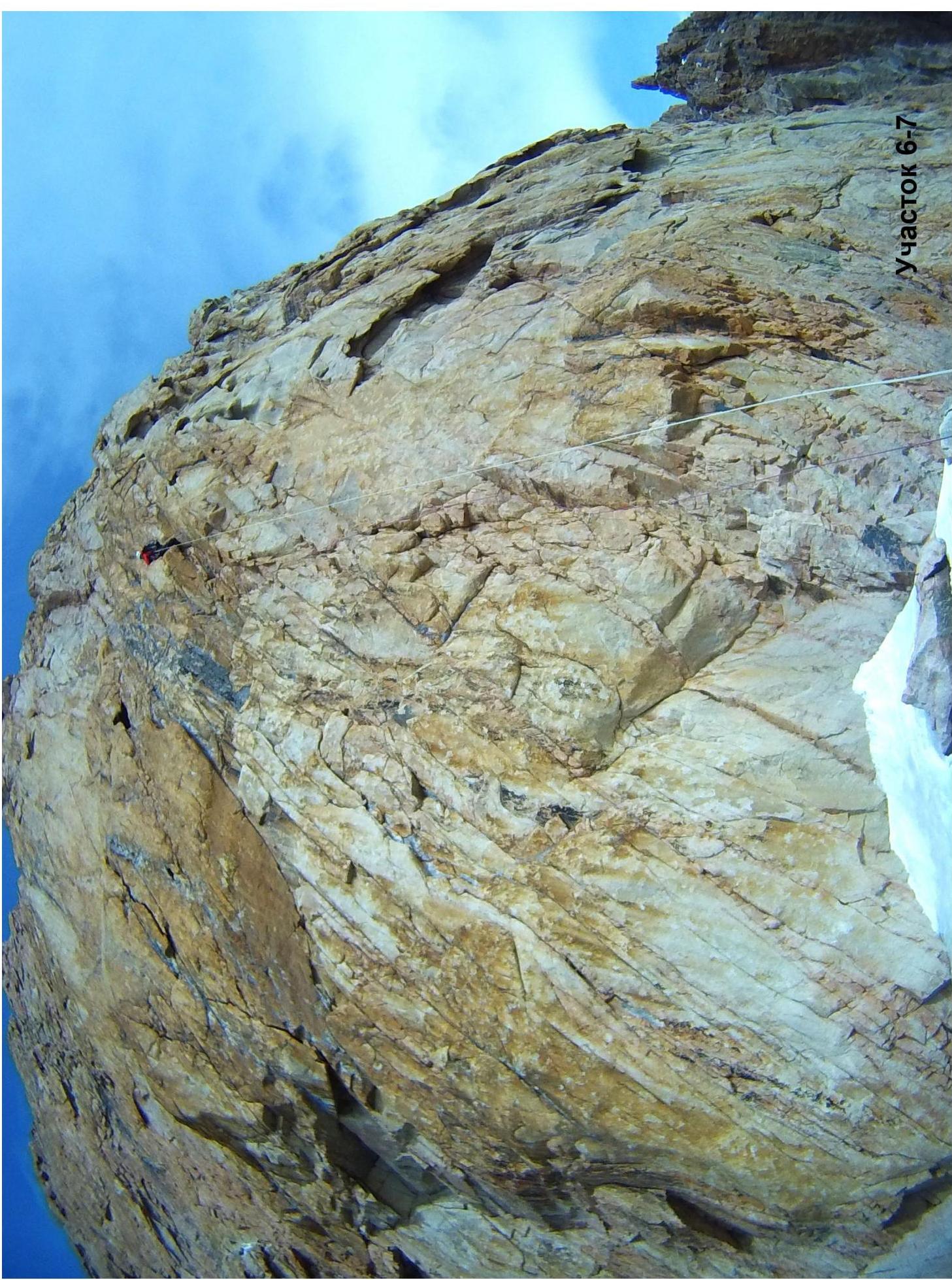
1999
1999 1999 1999 1999 1999 1999 1999 1999 1999 1999 1999 1999 1999 1999 1999 1999 1999 1999 1999 1999 1999 1999 1999 1999 1999 1999 1999 1999 1999 1999 1999 1999 1999 1999 1999 1999 1999 1999 1999 1999
1966
1966
At the summit 64