
Ascent Passport
-
Ascent category
- winter
-
Region
- Tian-Shan, Kyrgyzsky ridge, Ak-Sai gorge.
-
Object
- Pik Svobodnaya Korea.
-
Category of difficulty
- 6B, ctm 7.4.144 (S. Semiletkin, 1988)
-
Height difference — 890 m, length — 1160 m.
The length of sections of 6th category of difficulty — 290 m. Average steepness of the route 62° (bergschrund-ridge). Average steepness of the wall 87° (3960–4290).
- Pitons hammered:
| rock | bolt | chocks | ice |
|---|---|---|---|
| 131 | 0+6* | 123 | 45 |
| 124 | 5* | 114 | 0 |
- — pitons hammered by previous teams.
- Team's moving hours: 73 h and days: 7.
- Overnights: 1st, 2nd, 3rd, 4th, 5th, 6th — lying on a platform and in a hut.
- Captain: Borisov Sergey Viktorovich — MS
Team members:
- Khabibullin Salavat Zagitovich — MS
- Tarasov Sergey Kharitonovich — MS
- Starov Vladimir Arnoldovich — MS
- Pershin Mikhail Valerievich — MS
- Nefedov Igor Viktorovich — CMS
-
Coach: Borisov Sergey Viktorovich — MS
-
Exit to the route: February 8, 1996. Summit: February 18, 1996. Return: February 18, 1996.
-
Organization: Sverdlovsk Regional Sports Committee
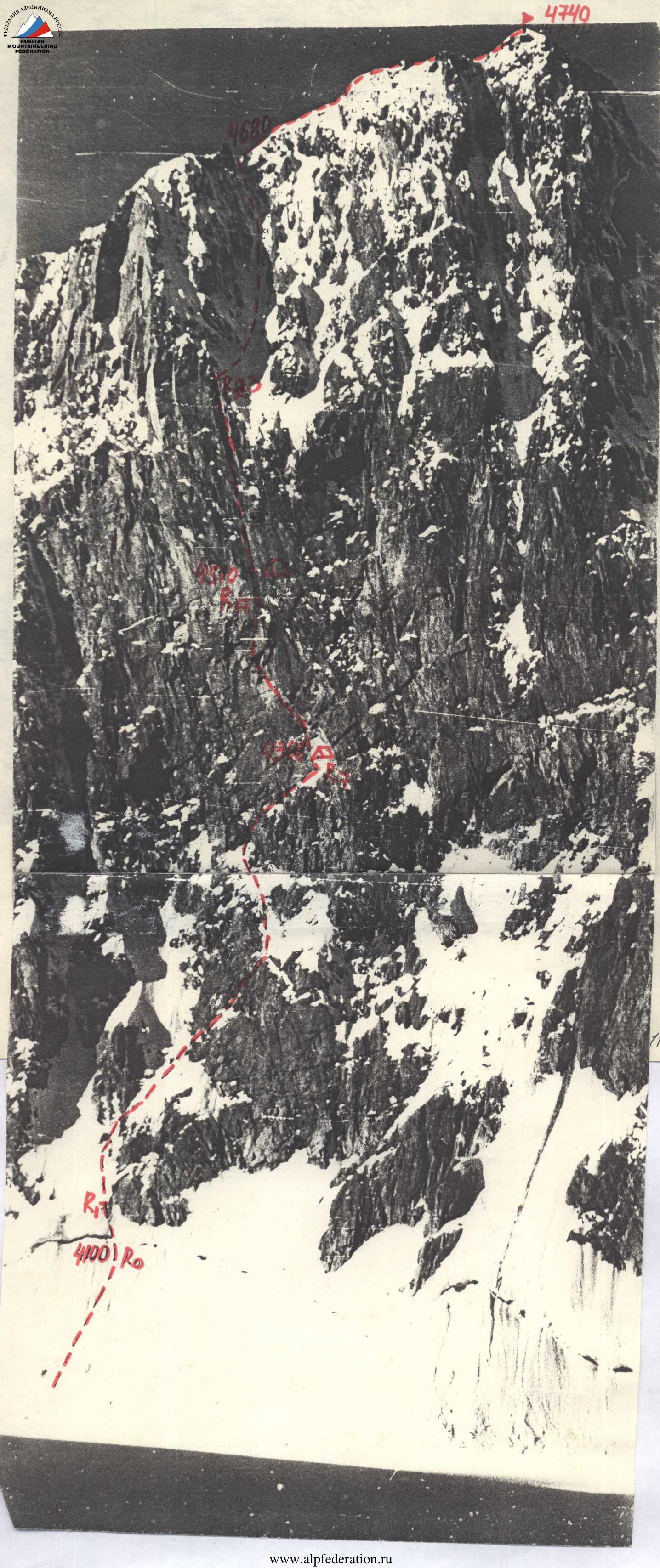
General photo of the summit. Taken from the lateral moraine. H 3600 m. Shooting point 1. Lens "Helios-44K". F 58 mm, distance 3.2 km.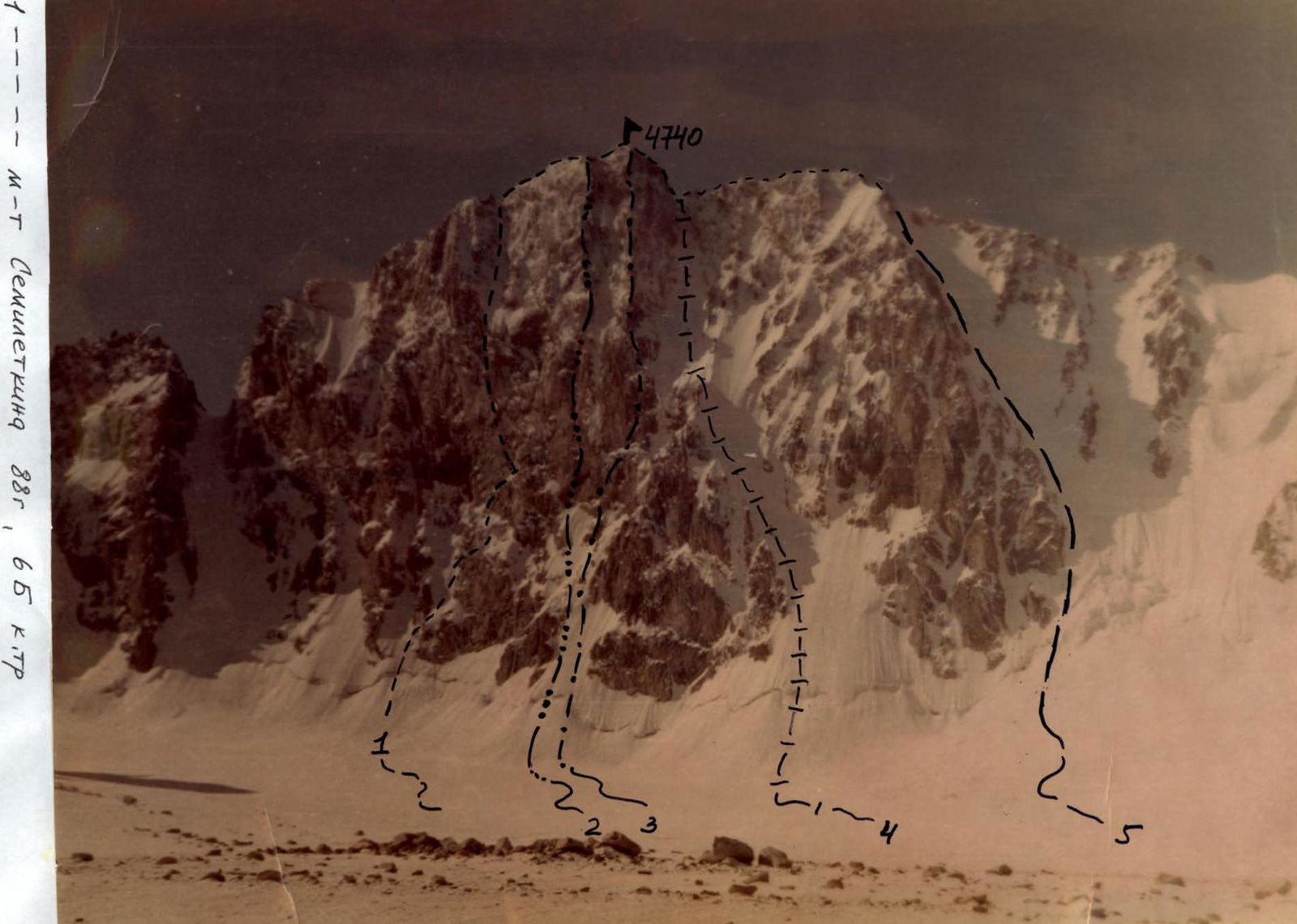
I Tactical scheme of movement
When drawing up the tactical plan, it was envisaged to pass the route in 8 working days, including 7 days of processing and one day of assault. Due to the duration of the ascent, it is impossible to predict the weather conditions, and the complexity of the route does not allow working on it in bad weather. Therefore, the number of reserve days for bad weather was not specified in advance.
For winter conditions, a tactic was chosen to work out the wall before going out onto the ice of the "roof". At the end of the processing, on the day of the assault:
- the intermediate camp was removed;
- unnecessary ropes were removed and dropped down (6 were left).
No overnight stay was planned for the day of the assault, but everything necessary for it was prepared.
The processing was carried out by pairs of variable composition. Under the "TV", an intermediate camp was set up (a tent on a platform) for 2-3 people. The pairs worked both from the intermediate camp and from the hut (from the hut to the platform 2-2.5 h).
The first one worked on a double rope (one UIAA) without a backpack.
Due to the good condition of the route in the lower part, more was covered on the first day than planned by the tactical plan. Because of this, they worked one day less. Otherwise, there were no deviations from the tactical plan.
II Tactical actions of the team
The processing began on February 8. On the eve, they trod a path to the wall and found a place where they would overcome the bergschrund. From 4:00 to 12:00, the trio of Pershin — Khabibullin — Nefedov processed the lower part of the wall to the shelf under the "TV".
At 8:00, the second trio, Borisov — Tarasov — Starov, came out with a platform and rock equipment. By 12:00, the whole team was on the shelf. While setting up the platform, Starov worked out the rope along the wall above the shelf. So on the first day, they worked out almost a two-day norm. Tarasov and Starov stayed overnight on the platform, the rest went down to the hut.
February 9: Tarasov — Starov overcame a 2-meter cornice, passed one rope length for the day and descended into the hut.
February 10: The duo Borisov — Pershin left the hut. One rope length was covered during the day's work. In the second half of the day, the weather began to deteriorate. Khabibullin climbed up to the shelf to the platform. He and Pershin stayed on the shelf, Borisov went down to the hut.
February 11: Overnight the weather deteriorated (snowstorm, snow, cold). In the morning, Khabibullin — Pershin climbed up along the second rope's fixed ropes. But above the cornice, the wind raged and snow streams were constantly coming off the "roof". A decision was made by radio to descend into the hut.
February 12-14: Weathered the bad weather. On February 14, the weather improved, and the next day they decided to continue processing.
February 15: Khabibullin — Nefedov left the hut. They worked out one rope length per day. The duo went down to the hut.
February 16: The duo Pershin — Starov left the hut, another rope length was covered. They went down to the hut.
February 17: Tarasov — Nefedov left the hut. One rope was covered during the day. Less than 10 m remained to exit to the "roof". A decision was made by radio to storm the summit the next day. The duo stayed on the platform.
February 18: The duo Pershin — Khabibullin left the hut at 2:00. Borisov — Starov followed them. While Pershin — Khabibullin were finishing the wall, the rest dismantled the camp and dropped excess ropes and equipment to the support group, leaving 6 ropes for work. The first duo finished the wall and covered 4.5 rope lengths of ice on the "roof" in 3 hours. At 12:30, they were on the ridge. The ridge did not present any difficulty. At 15:00, everyone was at the summit.
On the day of the assault, the team worked in the following order:
- Pershin — Khabibullin
- Borisov — Tarasov
- Nefedov — Starov
At 16:00, they began to descend. They descended along the ice couloir of the Lowe route, category 5B. They descended in the dark with the help of headlamps. The descent was uneventful, and at 22:00 they were in the hut.
The team passed the most difficult route of category 6B in winter. The entire key section of the route (6 rope lengths) was covered using IT (Intermediate Tied Off) technique. Communication with the hut was carried out using the "Uktus-M" radio station. There were no falls or injuries during the ascent and descent.
| rock pitons | ice pitons | chocks | bolt pitons | ROUTE | Section # | difficulty category | length | steepness |
|---|---|---|---|---|---|---|---|---|
| 5 |  | R5 | 3 | 80 | 55 | |||
| 2 | 2 | 3 |  | R4 | 5 | 40 | 50 | |
| 5 |  | R3 | 3 | 80 | 50 | |||
| 1 |  | R2 | 5 | 10 | 80 | |||
| 5 |  | R1 | 5 | 70 | 75 | |||
 | R0 | 2 | 120 | 50 | ||||
 | R0 | 2 | 120 | 50 | ||||
| rock pitons | ice pitons | chocks | bolt pitons | ROUTE | Section # | difficulty category | length | steepness |
| :---------: | :--------: | :-----: | :---------: | :------------------------------------------------------------------------------------------------------------------------------------------------------: | :-------: | :------------------: | :------: | :--------: |
| 6/6 | 21/21 | R16 | 6 | 40 | 80 | |||
| 4/4 | 6/6 | 1*/1 | R15 | 6 | 15 | 75 | ||
| 10/10 | 10/10 | 5*/4 | R14 | 6 | 25 | 95 | ||
| 29/29 | 17/17 | R13 | 6 | 40 | 90 | |||
| 2 | R12 | 5 | 10 | 55 | ||||
| 4/4 | 5/5 | R11 | 6 | 10 | 90 | |||
| 27/27 | 18/18 | R10 | 6 | 55 | 80 | |||
| 8/8 | 8/8 | R9 | 6 | 5 | 140 | |||
| 30/27 | 23/20 | R8 | 6 | 60 | 90 | |||
| 1 | 2 | 4 | Intermediate camp (3960 m) — Platform under "TV" | R7 | 5 | 40 | 60 | |
| 3/2 | 6/5 | R6 | 6 | 15 | 85 | |||
| rock pitons | ice pitons | chocks | bolt pitons | ROUTE | Section # | difficulty category | length | steepness |
| :---------: | :--------: | :-----: | :---------: | :------------------------------------------------------------------------------------------------------------------------------------------------------: | :-------: | :------------------: | :------: | :--------: |
| 73 moving hours, 131 rock pitons, 123 chocks, 45 ice pitons, 6 bolt pitons | 1160 m | 20 | ||||||
| R20 | ||||||||
| R19 | 3 | 225 | 45 | |||||
| 22 | R18 | 5 | 240 | 55 | ||||
| 7/7 | 1 | 4/4 | R17 | 6 | 20 | 80 |
Description of the route by sections
A distinctive feature of the route is that the entire wall part of the route is traversed diagonally: from right to left, which presents some difficulty for the movement of the last person in the rope team.
The entire route was passed with the organization of the first rope length and passage by the rest of the participants with backpacks using jammers. The first one worked without a backpack on a double rope.
Section R0-R1. Simultaneous movement along a steep snowy slope of increasing steepness (40-50°), leading to the bergschrund.
Section R1-R2. Steep ice slope, turning into a steep ice groove with rock outcrops in the lower part. The upper part represents:
- a rock wall covered with ice;
- snow-covered.
Belays are made through ice screws.
Section R2-R3. Steep ice groove. Belays through ice screws.
Section R3-R4. Alternating movement along a steep ice slope. Belays through ice screws.
Section R4-R5. A rock shelf passing from left to right, covered with ice and snow, leading to a steep ice slope. There are very few crevices for organizing intermediate belays. Rocks are of the "ram's forehead" type.
Section R5-R6. Steep ice slope, abutting a rock wall at the top. Moving along ice-covered rocks, it approaches the beginning of a steep crack. Belays through ice screws.
Section R6-R7. Steep crack filled with ice, leading to an inclined shelf. Climbing is difficult. IT (Intermediate Tied Off) techniques are used for passage. For belaying, the following are used:
- chocks;
- rock pitons.
Section R7-R8. Steep inclined shelf covered with ice and snow. Belays through chocks.
Section R8-R9. Sheer rock wall consisting of numerous "live blocks". Climbing is difficult, extremely careful and accurate towards a large cornice. Completely passed using IT (Intermediate Tied Off) techniques. Rock pitons like "Korobov" and "Shvelera" work well for belaying.
Section R9-R10. Overhanging section, turning into a cornice with a large overhang. Extremely difficult climbing on IT (Intermediate Tied Off). For passage and organization of belays, the following are used:
- chocks;
- "shvelera".
Under the cornice is the first control tur.
Section R10-R11. Steep rock wall with smoothed relief forms of the "ram's forehead" type. There are few places for organizing intermediate belays and IT (Intermediate Tied Off), and they are very unreliable. Cracks are filled with ice, and all this is still covered with snow from above. Climbing is extremely difficult. Used:
- rock pitons;
- chocks.
Section R11-R12. Sheer crack filled with ice and snow. Passed on IT (Intermediate Tied Off). For passage and intermediate belaying, the following are used:
- pitons;
- chocks.
Section R12-R13. Steep shelf covered with ice. Leads to a rock wall, at the base of which a bolt piton is hammered for belaying. Belays — through ice screws.
Section R13-R14. Movement is constantly going from right to left upwards. There is a constant alternation of sheer walls with:
- protruding "live" slabs;
- "cornices".
Climbing is extremely difficult on IT (Intermediate Tied Off). For passage, both chocks and pitons are used.
Section R14-R15. Steep, partly overhanging wall with cracks, mostly suitable for pitons. In the middle part — the second control tur on two bolt pitons. Climbing on IT (Intermediate Tied Off) is very difficult, constantly being thrown out of the overhanging angle.
Section R15-R16. Steep wall of the "ram's forehead" type, covered with ice and snow. There are almost no crevices for organizing belays.
Section R16-R17. Steep internal angle. The right wall of the angle is overhanging, so it throws out of the angle. Passed on IT (Intermediate Tied Off). For passage and belaying, the following work well:
- friends;
- large-sized chocks.
Section R17-R18. Sheer wall, in the upper part with a small chimney. Passed on IT (Intermediate Tied Off). For passage, the following are used:
- pitons;
- chocks.
Section R18-R19. System of steep ice couloirs and grooves. In the middle part, a rock wall covered with ice. Belays through ice screws.
Section R19-R20. Steep ridge of 3rd category of difficulty. местами заснежен и залит льдом. Movement:
- alternating;
- simultaneous.
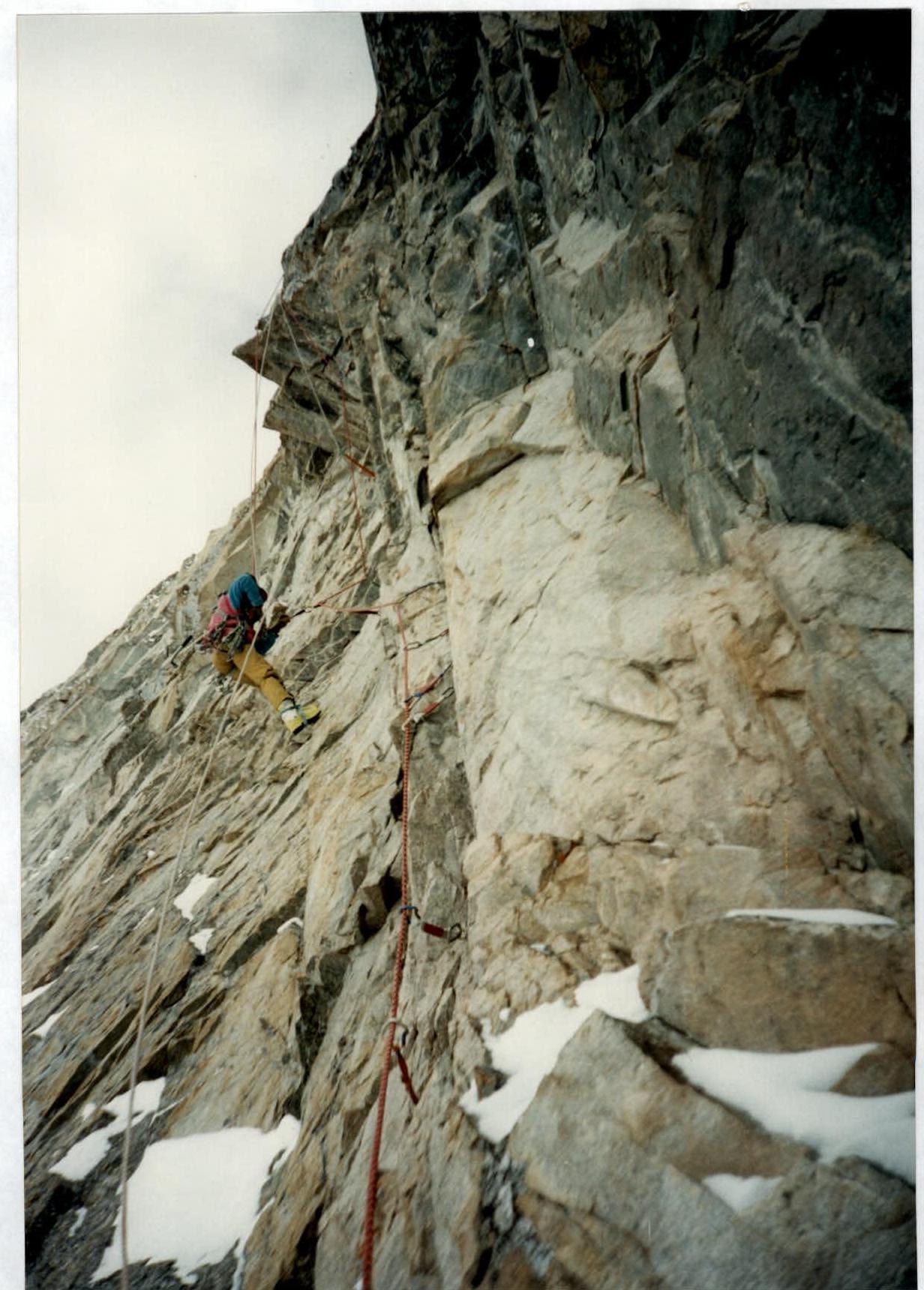
Photo 4. Upper part of section R8-R9. Descent of the first person in the rope team after processing section R9-R10.
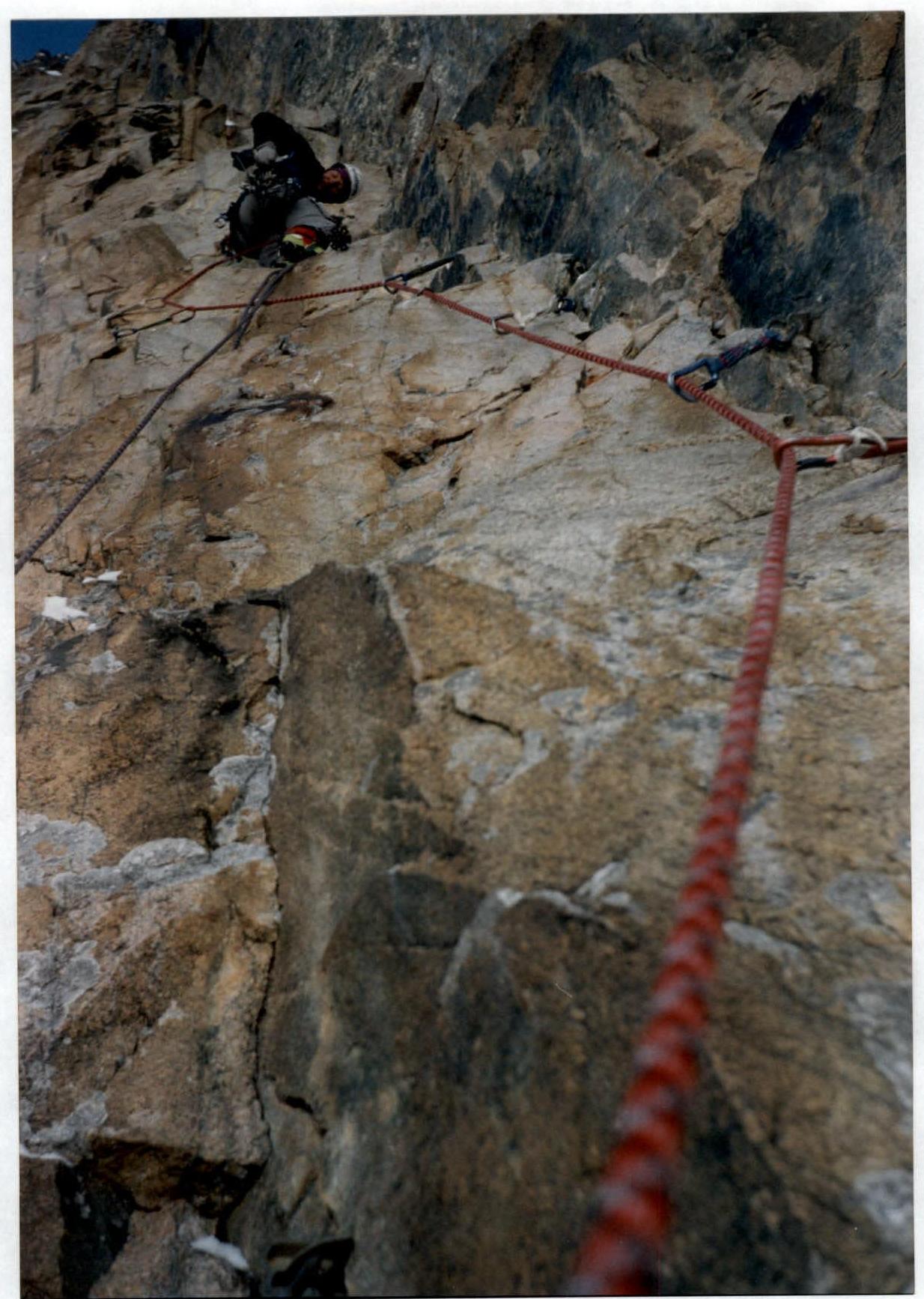
Photo 5. Work of the first person on section R13-R14.

Comments
Sign in to leave a comment