
RUSSIAN ALPINISM FEDERATION
EAAA Championship (World Championship) in Alpinism 2019
Class of High-Altitude Technical Ascent
Report
Russian Federation National Team - 3rd place Peak Svobodnoy Korei, 4777 m, via the center of the North wall, Bezzubkin route. 6A category of complexity.
Ascent Passport
Region – Tian Shan, Kyrgyz range, 7.4. Peak – Svobodnoy Korei, 4777 m via the center of the North wall, Bezzubkin 1969. 6A category of complexity. Route characteristic – combined. Route description: elevation gain 1140 m, length – 1250 m, length of sections with 5–6 category of complexity – 940 m, average steepness of the wall part of the route – 73°, main part of the wall (3710–4690) – 78°. Left on the route: pitons – 3, including bolted pitons – 3; " закладок" – 0. Pitons used on the route: bolted stationary ≈20; total usage of ITC about – 300. Number of moving hours – 39, days – 3. Team Leader: Parfyonov Alexander Alexandrovich MS. Team Members: Zhdanov Artem Alexandrovich 1st sports category, Timofeev Vyacheslav Mikhailovich CMS, Sukharev Alexey Yuryevich CMS. Team Coaches: Zakharov Nikolai Nikolaevich MSMK, ZTr, Balezin Valery Viktorovich MSMK. Departure date: to the route – January 3, 2019 at 6:00, to the summit – January 5, 2019 at 16:00, return to Base Camp (Ratsek) – January 6, 2019 at 14:00.
Organization
Ministry of Sports, Tourism and Youth Policy of Krasnoyarsk Krai
Tactical Actions of the Team
The Bezzubkin route via the center of the north wall of Peak Svobodnoy Korei is considered one of the most challenging on this wall. The route has been climbed several times, so it is relatively well-trodden. The team chose an alpine style ascent, without prior processing.
Starting the ascent at 6:00 am on January 3, by 11:00 we had passed the lower ice part of the route (140 m snow slope and 400 m ice and mixed terrain), and "hooked onto" the wall. Artem Zhdanov led this section.
Then, after reaching the rocks, Alexander Parfyonov continued to lead.
On the first day from 11:00 to 18:00:
- 150 m of rock terrain were passed
- Another 50 m were processed
Movement stopped at the start of the traverse. The overnight stay on a platform was organized where the wall transitions into a rib (section R7–R8).
Two bolts were hammered in:
- Local ones, judging by appearance, are not trustworthy;
- old ones, with thin titanium eyes;
- for the passage.
Weather conditions on the first day of the ascent were the most severe: by evening, snowfall and wind began, snow fell from above, and then was blown back up and into faces.
After overnighting, on January 4, 2019, at 8:20, the first pair started moving up the fixed ropes and further work on the route, while the second pair dismantled the platform. By 10:00, the whole team was working upwards. On the second day, we managed to:
- Pass the entire rock bastion (250 m of rock);
- Organize an overnight stay at the start of section R15–R16;
- Preliminarily process section R15–R16 to the end and hang fixed ropes.
For the overnight stay:
- One bolt was hammered in;
- The second edge of the platform was hung on a station assembled on the terrain.
The leader finished moving at 18:20. On the second day, the Parfyonov–Sukharev pair went first, with Parfyonov leading.
Weather conditions on the second day, January 4, 2019, were normal, temperature –15–18 °C, moderate wind.
The task for the third day was to exit via the ice gully and mixed rock wall onto the ridge and, if possible, descend to the Aksai glacier via the Barber route, 5B category.
Movement started at 8:00 with the same tactics: the first pair, Sukharev–Parfyonov, worked simultaneously (in the gully), organizing fixed ropes, while the second pair collected the platform and started moving up the fixed ropes.
By 10:00, the entire team was working upwards.
By 14:30, we approached the mixed wall.
At 16:00, the entire team reached the ridge.
At 17:00, we reached the summit, left a note, and began descent.
At 23:00, the team was standing on the Aksai glacier's snowfield. At 23:50, we returned to the Koronskaya hut.
Route Description by Sections
0–1. Snow slope 140 m, 45° to the bergschrund. 1–2. Bergschrund, 3 m. 2–3. Ice slope 400 m, average angle 60°. 3–4. Ice wall, 40 m, ice up to 70–75°. 4–5. Heavily broken rock wall, leads under a cornice, 40 m, 85°. At the start of the wall, there is a good new bolt. Be careful! The belayer is below you.
5–6. Monolithic cornice, 4 m, 120°. The path across the cornice is "marked" with local metal, from right to left.
6–7. Wall, 70 m, 90°.
7–8. Section of the wall, transitions into a crack (characteristic rusty spot when viewed from afar). At the top of the crack, there is a convenient ledge. 70 m, 80°.
*Here we finished processing the route on the first day, overnight stay – 40 m below.
8–9. Traverse along a ledge, going left, on small rock ledges, to the base of an inner corner, 20 m, 80°. In winter, the traverse can be done pendulum-style, going up 15–20 m before moving left, there's a local hook.
9–10. Inner corner, lots of "live rock", 60 m, 80°. 10–11. Cornice, 5 m, 110°. Under the cornice, there are bolts for setting up a station, and there are also bolts when passing the cornice. The cornice is passed from right to left.
*Most bolts are for titanium irbis, modern quickdraws don't fit into them, so we had to insert "закладки" and hang quickdraws on them.
11–12. Steep monolithic wall with large cracks, some bolted pitons are encountered, movement is upwards to a monolithic slab, 40 m, 85°.
12–13. Traverse right onto a rib, climbing is difficult, a steep pendulum is possible, 20 m, 70°. 13–14. Along the rib, and then up the wall, 20 m, 70°, to exit onto a large snow-covered ledge. *At the end of the section, without exiting onto the snow, we set up a station, here we finished movement on the second day. 14–15. Overhanging little wall with a cornice, belaying is difficult, 4 m, 100°. 15–16. Steep wall of the right rib, movement is right and up, exit into an ice gully, 20 m, 60°. 16–17. Huge ice gully, 250 m, 60–65°. *The first pair moves with simultaneous belay, sets up fixed ropes. Sukharev Alexey works on ice screws first.
17–18. Rock wall, then a gully, covered with ice, 40 m, 90°. 18–19. Snow-covered ridge, exit to the summit.
Caution! Cornices hang on the north side!
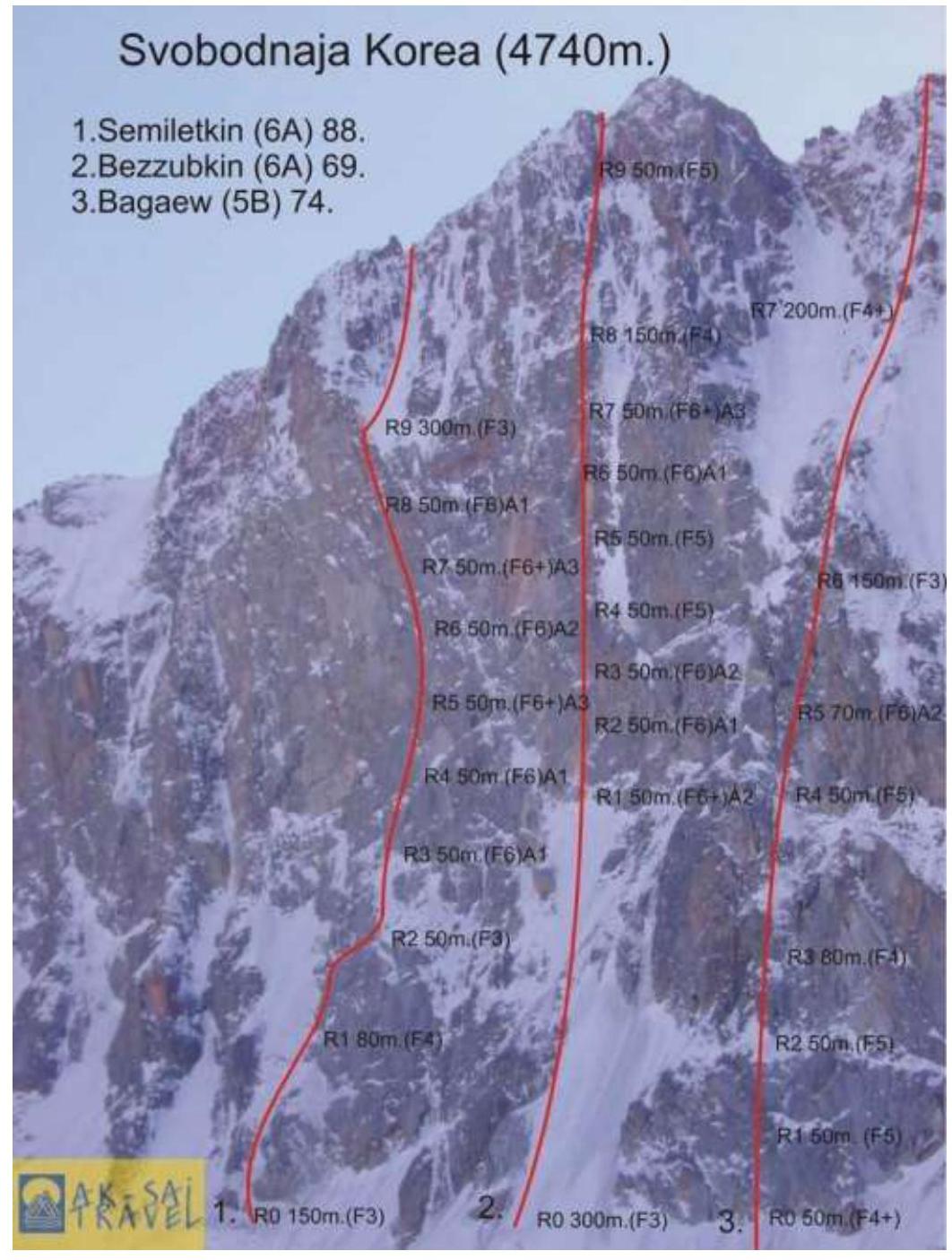
Fig. 1. Thread of routes Semiletkin, 6A (1), Bezzubkin, 6A (2), and Bagaev, 5B (3) in the Kyrgyz description.
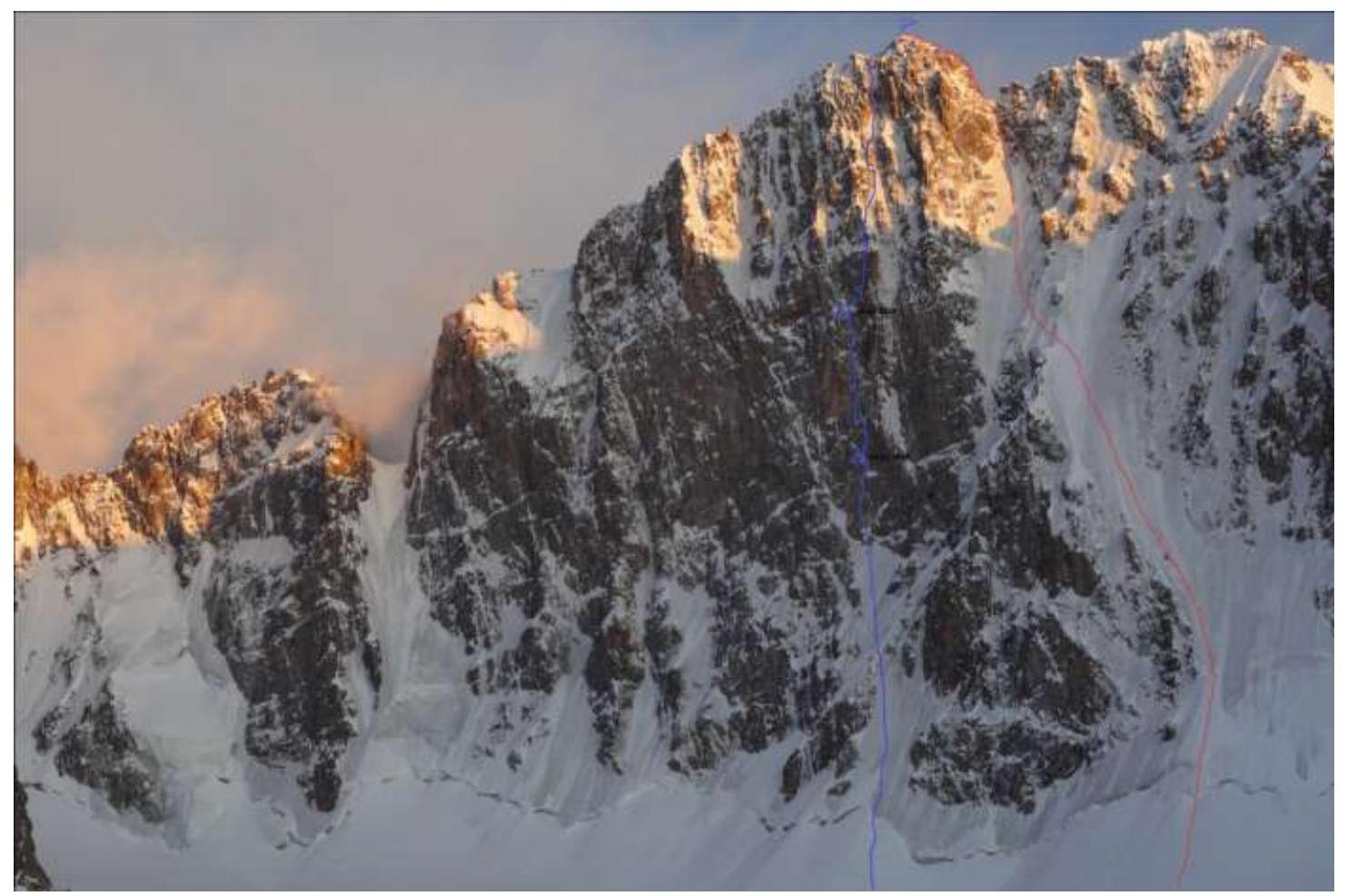
Fig. 2. Ascent route and descent route of the team with overnight stays on the wall marked.
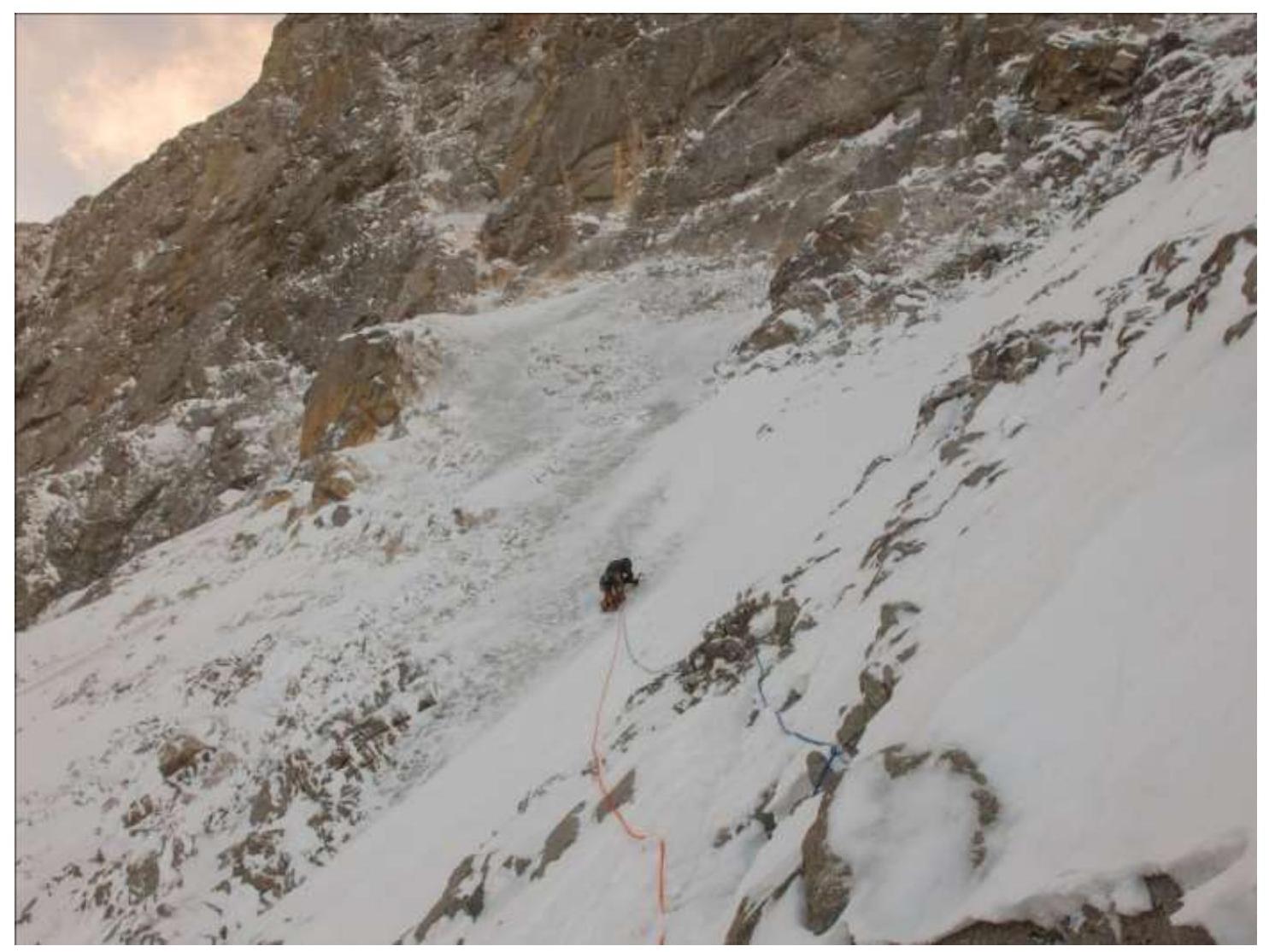
Fig. 3. End of section R2–R3, movement from right to left, approach under the rock wall.

Fig. 4. Leader starts working on rock, heavily broken rock wall, section R4–R5.

Fig. 5. Fixed ropes go through a cornice, sections R4–R5, R5–R6.
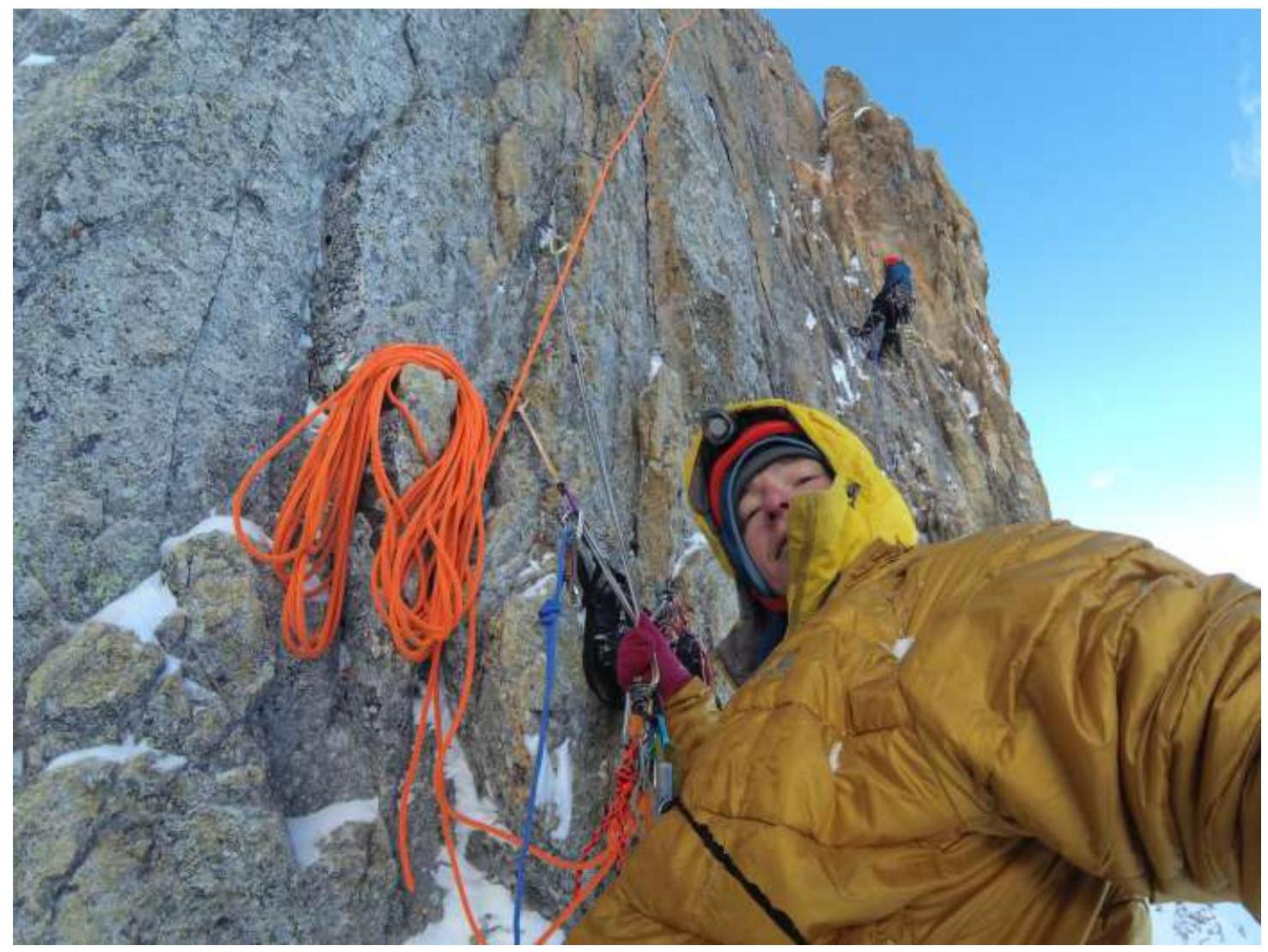
Fig. 6. Morning of the second day. First pair moves up the processed fixed ropes, section R7–R8.
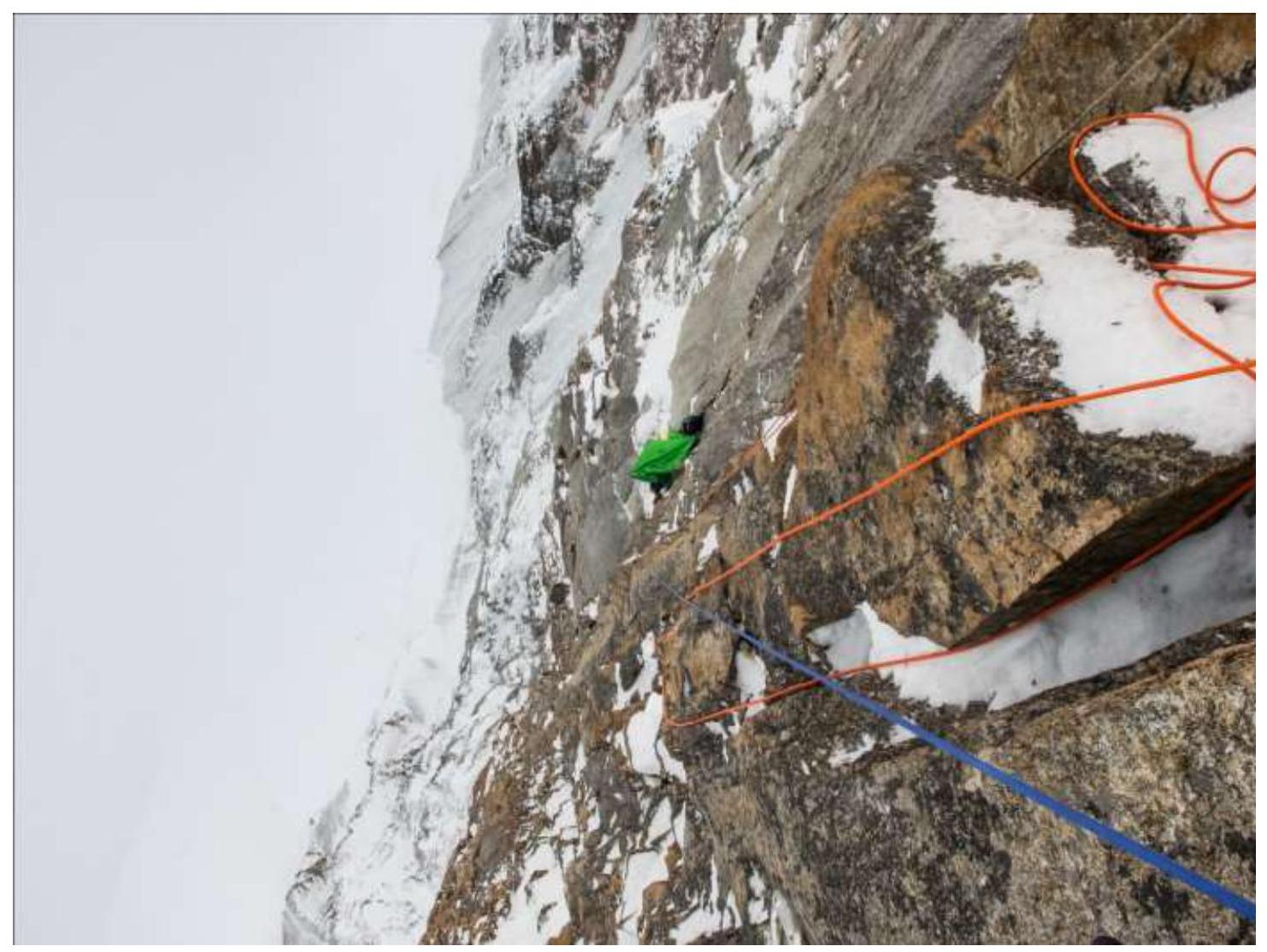
Fig. 7. View from the end of section R7–R8 to the first overnight stay. Traverse starts from here.

Fig. 8. Station at the end of the traverse, leader working on section R9–R10, the cornice that is passed from right to left is clearly visible.
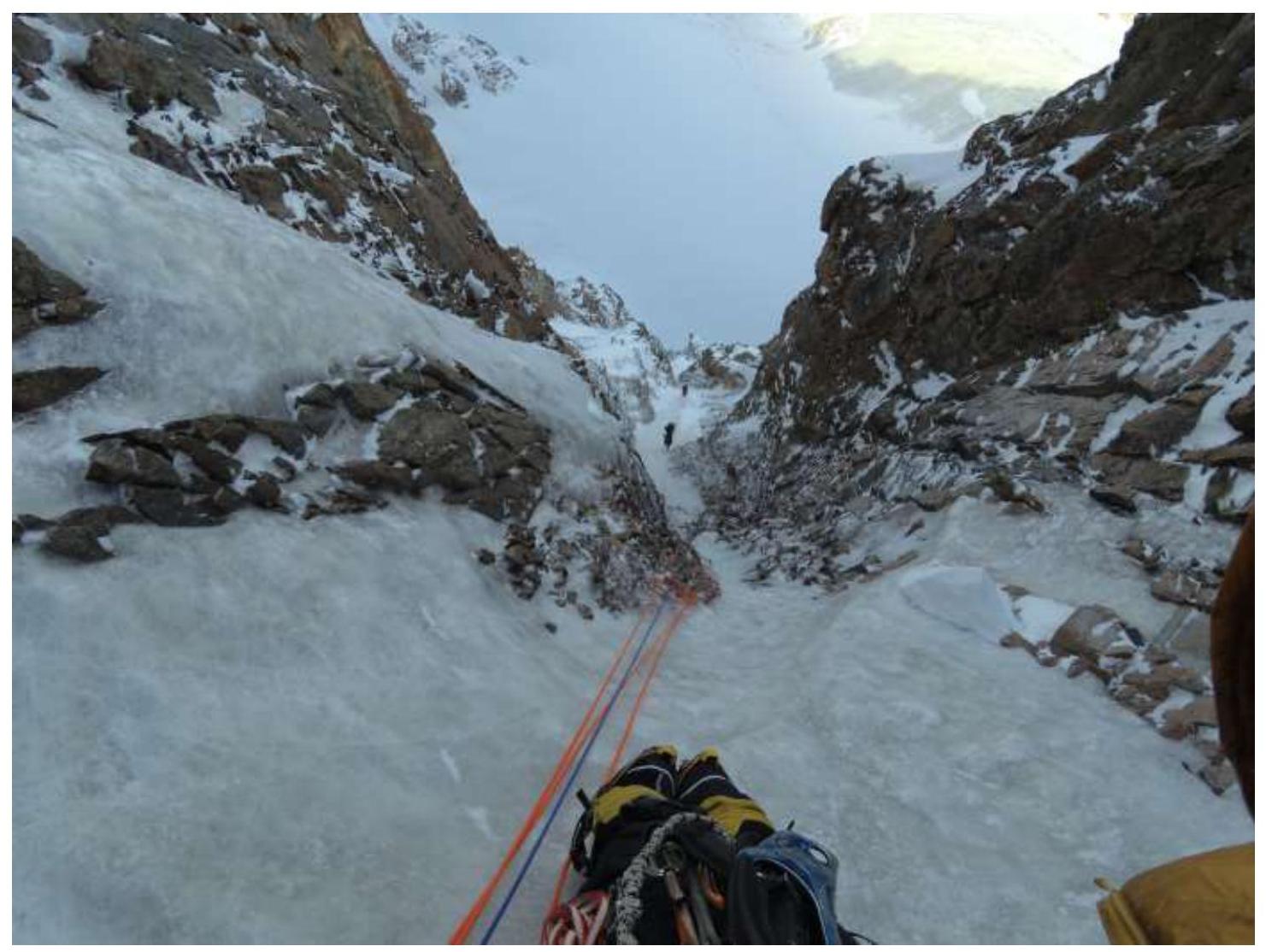
Fig. 9. In the ice gully, section R16–R17.

Fig. 10. Mixed wall, section R17–R18.
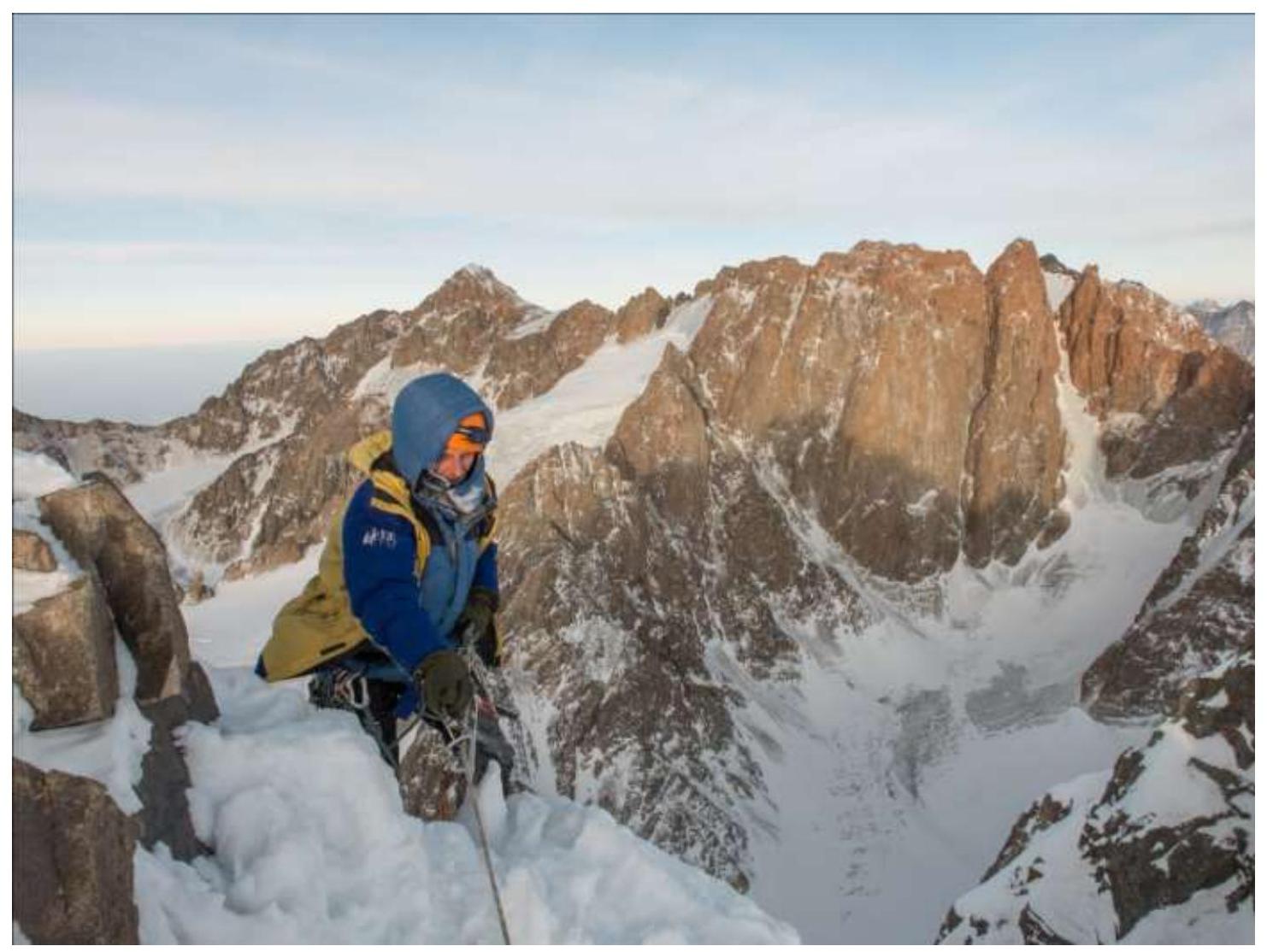
Fig. 11. Reached the ridge.