

1. General Information
"APPROVED" Head of the 4th Department of the Turkestan Military District, Lieutenant Colonel (Yas'kov) "10" October 1954
DESCRIPTION OF THE FIRST TRAVERSE OF THE LENIN PEAK MASSIF (7134 m).
The first high-altitude traverse of the Lenin Peak massif was carried out by a group of climbers from the Turkestan Military District and the Uzbek Committee of Physical Culture, consisting of V. A. Kovalev (leader of the traverse), E. I. Nagel, and V. N. Naryshkin (all - TurkVO), P. M. Karpov, and V. K. Nozdryukhin (Committee of Physical Culture and Sports of the Uzbek SSR) over 7 days, from August 28 to September 3, 1954.
The traverse of a seven-thousand-meter peak was first undertaken and accomplished by Soviet climbers.
From the summit of Lenin Peak, a note from the 1950 ascenders - a team of climbers from the TurkVO - and a broken plaster bust of V. I. Lenin, wrapped in a red flannel shirt, left on the summit by the 1934 ascenders, were retrieved.
In their place, a ceramic bust of V. I. Lenin, 35 cm high, and the state flag of the Uzbek SSR were installed on the summit to commemorate the thirtieth anniversary of the republic.
2. Geographical Location of the Peak
Lenin Peak, 7134 m above sea level, is located in the central part of the Trans-Alai Range and is its highest peak. The peak is connected to Peak Oktyabrsky (6773 m) by a ridge to the east and to Peak Dzerzhinsky (6713 m) to the west. The Lenin Glacier flows from the northern slopes of the peak, while the Big and Small Sauk-Dara glaciers flow from the southern slopes. The peak's elevation above the upper reaches of the western source of the Lenin Glacier averages around 8000 meters. Both the northern and southern slopes of the peak are covered with glaciers and thick layers of firn snow.
3. Composition of the Traverse Participants
By order of the Head of the District Climbing Assembly of the TurkVO, based on the submission of the route commission and the coaching council of the assembly, the following units were formed:
-
a) Assault unit.
-
Private Kovalev Valentin Aleksandrovich - leader of the traverse, having completed the Master of Sports of the USSR standards in climbing by the start of the ascent, participant in three high-altitude ascents.
-
Senior Lieutenant Naryshkin Viktor Nikolaevich, having completed the Master of Sports of the USSR standards in climbing by the start of the ascent, participant in two high-altitude ascents.
-
Senior Lieutenant Nagel Eduard Ivanovich, having completed the Master of Sports of the USSR standards in climbing by the start of the ascent, participant in three high-altitude ascents.
-
Junior Lieutenant Reserve Karpov Petr Mikhailovich, having completed the Master of Sports of the USSR standards in climbing by the start of the ascent, participant in one high-altitude ascent.
-
Senior Sergeant Reserve Nozdryukhin Vitaly Konstantinovich, Master of Sports of the USSR in climbing, participant in three high-altitude ascents.
-
b) Support unit.
-
Unit head - Senior Lieutenant Petrov S. I., 1st category climber.
-
Private Rusyaykin K. P. - 1st category climber.
-
Ovcharov G. - 2nd category climber.
-
Andreev V. - 2nd category climber.
-
Private Nazarov I. - 1st category climber.
-
Telenkov A. - 3rd category climber.
-
Private Belousikov B. - 2nd category climber.
-
Volkov B. - 3rd category climber.
-
Mukhamedshin K. - 3rd category climber.
-
Senior Lieutenant Gritsuk Yu. - 3rd category climber.
-
Senior Lieutenant Gavrilyak E. - 3rd category climber.
-
Lieutenant Zabanov A. - 3rd category climber.
-
Private Duka B. - 3rd category climber.
-
Captain Medical Service Merkulov N. M. - expedition doctor, 3rd category climber.
-
c) Observation unit.
-
Unit head - Yurasov L. V., Honored Master of Sports.
-
Molostov L. - radio operator.
-
Ignatenko F. S. - cook.
-
Kurbatkin V. P. - 3rd category climber.
-
d) Transport unit.
-
Unit head, Captain Veterinary Service Saparov P. I.
-
Private Bondarev V. - farrier instructor.
-
Private Khrenov - pack animal handler.
-
Junior Sergeant Tadoryan - pack animal handler.
-
Junior Sergeant Prokhorov - pack animal handler.
-
Junior Sergeant Yur'ev - head of the food and equipment warehouse.
-
Private Strelkov I. - GAZ-63 truck driver.
-
Private Zenkov V. - ZIS-150 truck driver.
4. Tasks Assigned to the Units
- The assault unit was tasked with completing the full traverse of the Lenin Peak massif.
- The support unit was tasked with accompanying the assault unit to an altitude of 5860 m and 6148 m (Razdelnaya Peak and its subpeak) to supply the ascenders, and to tread a path on the initial sections of the ascent.
- The observation unit was tasked with observing the ascenders through a 30x periscope camera (PDF), exchanging signal flares, and maintaining a log.
- The transport unit was tasked with maintaining daily horseback communication between the glacier and base camps. The trucks were stationed 5 km from the base camp, located in the "Palatka" tract, at the usual site of all previous expeditions.
NOTE: In case of rescue operations, they were to be headed by the head of the assembly, Honored Master of Sports Major Ratsek, with the assistance of the head of the training unit, reserve senior technician-lieutenant, Honored Master of Sports Yurasov L. V., who were located in the glacier camp at an altitude of 4200 m.
5. Description of the Traverse
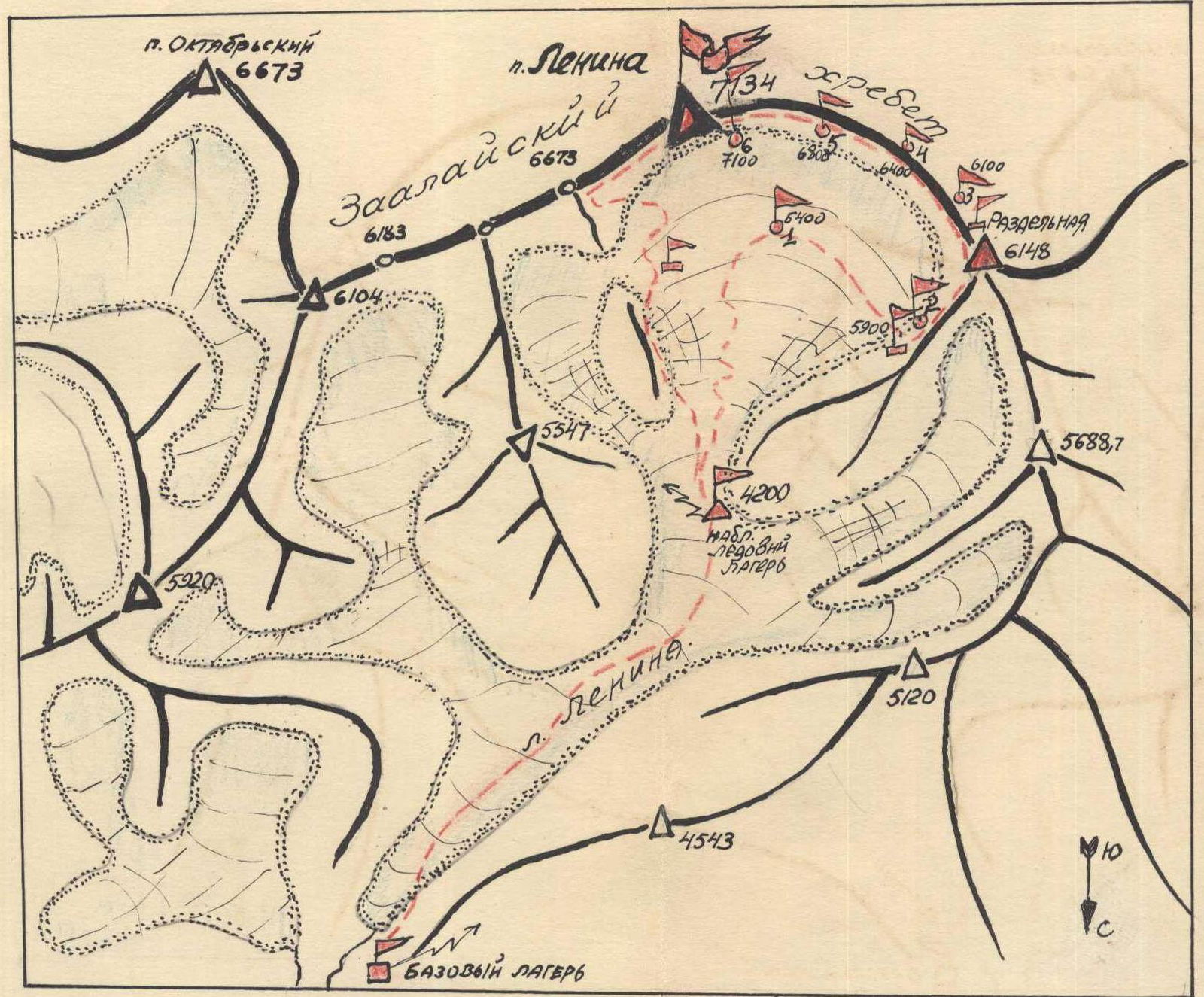
Two intermediate camps were established between the glacier camp, located at an altitude of 4200 m, and Razdelnaya Peak (6148 m) - at altitudes of 5300 m and 5800 m.
The main difficulties between the glacier camp and the assault camp R1: the glacier, covered with 15-20 cm of snow in the lower part and 25-30 cm in the upper part, and mostly open ice crevasses, traversed using snow bridges.
Duralumin collapsible stretchers of special design proved to be excellent for crossing wide open crevasses.
The overall steepness of the ascent on this section of the route was 26-32°.
Camp R1 was set up at an altitude of 5300 m on a large snow plateau above the western branch of the icefall flowing from this part of the massif.
The time taken to move from the glacier camp to camp R1 was 10 hours 30 minutes. The altitude gain was 1100 m. This section of the route was completed on August 28, 1954.
The path from camp R1 goes through a snow plateau lying above the western branch of the icefall to the west, to the foot of the eastern spur of Razdelnaya Peak. The path is technically simple and presented no difficulties.
The exit from the icefall cirque onto the high-altitude ridge of Razdelnaya Peak (6148 m) passes along a snow-covered ice slope, 400-500 m long, with a steepness of up to 40°.
Movement was carried out on crampons, with step cutting in some areas and belaying using ice screws.
The slope leads to a gentle snow ridge leading from the east to Razdelnaya Peak.
On the rocks of the ridge, at the point where it approaches the pre-summit dome, the assault camp R2 was set up at an altitude of 5800 m.
The time taken to move from camp R1 to camp R2 was 9 hours. The altitude gain was 500 m. This section of the route was completed on August 29, 1954.
The first support group accompanied the assault unit to camp R2.
On the path from camp R2 to Razdelnaya Peak, a section covered with deep, powdery snow was encountered on a slope with a steepness of up to 40°. Overcoming this section required significant time and effort.
Before reaching Razdelnaya Peak, a 60-meter section of exposed ice required step cutting and belaying on screws.
The ascent to Razdelnaya Peak (6148 m) from camp R2 took 7 hours.
Razdelnaya Peak is a wide, rounded area with outcrops of small scree in some places. The distance between the glacier camp and Razdelnaya Peak is 8 km.
From Razdelnaya Peak (6146 m), a ridge descends to the southwest to Peak Dzerzhinsky and to the southeast to the western ridge of Lenin Peak.
In the section of the ridge between Razdelnaya Peak and Lenin Peak, there is a depression reaching 6000 m.
Camp R3 is set up on the saddle at an altitude of 6000 m.
The section of the route between camps R2 and R3 was completed by the group on August 30, 1954, in 8 hours 30 minutes.
The second support group accompanied the assault unit to camp R3, then descended the next day, August 31. The assault team of five remained in one Pamiro-style tent to lighten their loads.
From camp R3, the further path to Lenin Peak follows the western ridge, with an average steepness of 15-20° and a length of 7 km.
The most challenging section of the western ridge was its first ascent, which rises from camp R3. This 600-meter long section reaches a steepness of 40-45°. The entire length of the ridge is covered with glazed ice with embedded small scree, making it difficult to use crampons and impossible to use screws for belaying.
Overcoming this steep section of the ridge took 8 hours. Camp R4 is established 150-200 m after the summit of the steep ascent, at an altitude of 6400 m, where the steepness of the ridge decreases to 10-15°.
The section between camps R3 and R4 was completed by the group on August 31, 1954, in 9 hours 30 minutes.
From camp R4, a relatively gentle section of the ridge follows, ending with a second ascent, over 1500 m long, with an average steepness of 30-35°. Some sections of the path, chosen to avoid slopes with frozen dry snow that did not provide support during movement, reached 50°. Several times, between 660 feet and 6800 m, rocky sections of moderate difficulty were encountered. The total length of the rocky path of moderate difficulty was 200-250 m, with interspersed small sections where movement was only possible using screws.
Camp R5 is established at an altitude of 6800 m at the foot of a steep rock outcrop. The time taken was 8 hours.
The section between camps R4 and R5 was completed by the group on September 1. The extreme conditions on the fifth day of the assault - continuous hurricane-force wind, lowering the temperature to -27° to -30° - were particularly noteworthy.
From camp R5, the group easily traversed the remaining section of the wide ridge, with a steepness not exceeding 15-20°, and approached the third, well-defined ascent, culminating in the summit.
This ascent had a 200-meter section of the ridge with a steepness of 30-35°. The lower part consisted of easy, crumbling limestone rocks (the predominant rock type in the structure of Lenin Peak); the upper part of the ascent is composed of more solid rocks, forming rocks of moderate difficulty.
Overcoming the 200 m section took 4 hours of intense work at an altitude of 6900-7000 m.
After the summit of the ascent, the ridge widens significantly, forming a snow plateau, 800-900 m long, between 7000-7100 m, at the opposite end of which the snow-covered dome of Lenin Peak rises.
Before exiting the ridge onto the plateau, there are two snow humps with a height difference of 50 m between them.
The eastern part of the plateau adjoins the dome-shaped summit directly.
Camp R6 is established on gentle rock outcrops at an altitude of almost 7100 m above sea level.
The section of the route, approximately 2500 m long and 300 m high, between camps R5 and R6 was completed by the group on September 2 in 9 working hours.
The group of ascenders was at an altitude of over 7000 m from 15:00 on September 2 to 14:00 on September 3, 1954, i.e., around 24 hours, for the first time among Soviet climbers since 1937.
From camp R6, the path to the summit follows a gentle snow slope with small outcrops of crumbling rocks.
At 11:30 local time on September 3, 1954, all five - Kovalev, Nagel, Naryshkin, Nozdryukhin, and Karpov - reached the summit of Lenin Peak, having started from the western cirque of the Lenin Glacier via Razdelnaya Peak along the western ridge, thus completing the ascent via this route for the first time.
Four ascenders - Naryshkin, Nagel, Nozdryukhin, and Kovalev, who had ascended Lenin Peak in 1950 via the usual route (through Lipkin's Rock, traversing the northern slope to the eastern ridge and then to the summit), noted that the path to Lenin Peak along the western ridge via Razdelnaya Peak requires greater technical and physical preparedness.
A ceramic bust of V. I. Lenin and, to commemorate the thirtieth anniversary of the Uzbek SSR, the state flag of the republic were installed on the summit.
A note about the ascent was left on the summit.
At 12:00 on September 3, the group began their descent along the eastern ridge, following the route of previous ascents.
The first 100-150 m of the descent, passing along the "comma," were traversed using a rope in a sports style. The remaining path presented no technical difficulties, being familiar to the group.
At an altitude of 5200 m, the ascenders were met by the support unit, and together they returned to the Glacier Camp at 21:00.
The descent from the summit was completed on September 3 in 9 hours.
Conclusions
-
The route of the first high-altitude traverse of Lenin Peak went: Along the western ridge from 4200 to 6200 m over a distance of 8 km. From 6200 to 7134 m - over a distance of 7 km. Along the eastern ridge from 7134 to 6200 m - over a distance of 6 km. From 6200 to 4200 m - 5 km.
The total traverse path is 26 km.
Of these:
- Over 15 km of the route was traversed at an altitude above 6200 m;
- About 6 km was traversed at an altitude of 6800-7134 m.
-
The tactical plan for the traverse was fully executed without deviations and within the timeframe specified by the order, without violating the "Guiding Materials on Climbing" of the All-Union Committee on Physical Culture and Sports under the Council of Ministers of the USSR.
-
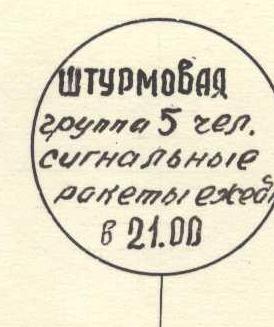
Ensuring safety is evident from the "scheme of communication and location of support units" (Appendix No. 3): The assault group and the glacier camp exchanged signal flares daily at 21:00. In case of a call for a rescue unit, a red flare was to be given.
-
Before the traverse, the assault group conducted joint ascents on Peak Sverdlova (5451 m) category 4B and 1st category of difficulty, Peak Arkhar category 3B, and completed a traverse of a peak in the Trans-Ili Alatau category 4A; in addition, they made major high-altitude ascents in the same composition starting from 1950.
-
The group's well-being, thanks to several high-altitude ascents regularly undertaken by the traverse participants since 1950, was better than previous. The ascenders completed the entire route without rest days, working daily from 8:00 to 9:00.
Weight loss upon returning to camp was 3-5 kg, whereas in 1950, some participants lost up to 10-12 kg.
-
The route of the full traverse of the Lenin Peak massif via Razdelnaya Peak (6148 m) with an ascent along the western ridge and descent along the eastern and northern ridges, based on the absolute height and technical difficulty of overcoming the most challenging sections of the route, predominantly located at an altitude of 6500-7000 m above sea level, the group classifies as category 5B and 1.
-
The successful completion of the traverse without any signs of health deterioration among the participants was made possible by the extensive preparatory and organizational work of the entire assembly personnel, united by a single goal - reaching the summit of Lenin Peak.
APPENDIX:
- Aerial photo scheme of the Lenin Peak traverse route.
- Scheme of the route location.
- Scheme of communication and location of support units.
- Photograph of the camp at an altitude of 7100 m.
- Photograph of the group on the summit of Lenin Peak.
- Clippings from articles about the traverse from the newspapers "Pravda Vostoka," "Komsonolets Uzbekistana," "Fizkulturinik Uzbekistana."
- Portraits of the traverse participants.
Head of the District Climbing Assembly of the TurkVO, Honored Master of Sports Major V. Ratsek. Leader of the Lenin Peak traverse, Private V. Kovalev.
Scheme of Communication and Location of Support Units during the Traverse of Lenin Peak in 1954
Assault group 5 people. Signal flares daily at 21:00. Radio station, communication with Tashkent, Stalinabad, Osh. Shortwave portable radios - 3 units. Radio operators - 1. Glacier camp 4200 m. Head and staff of the assembly. Support unit: climbers - 14, doctors - 1, cook - 1. Observation group with periscope and signal flares 2 people. Base camp 3800 m. 11 people. Pack animal unit: people - 5, horses - 35. Logistics unit 8 people. Motor transport 5 km from camp: GAZ-63 trucks - 1 unit, ZIS-150 - 1 unit. Head of the District Climbing Assembly of the TurkVO, Honored Master of Sports V. Ratsek.
Scheme of the Route of the First Traverse of Lenin Peak 7134 m via Razdelnaya Peak 6148 m. August 28 - September 3, 1954, Trans-Alai Range, Pamir
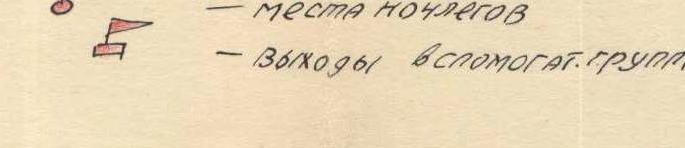
Conventions:
— path of the assault group
— places of overnight stays
— exits of support groups

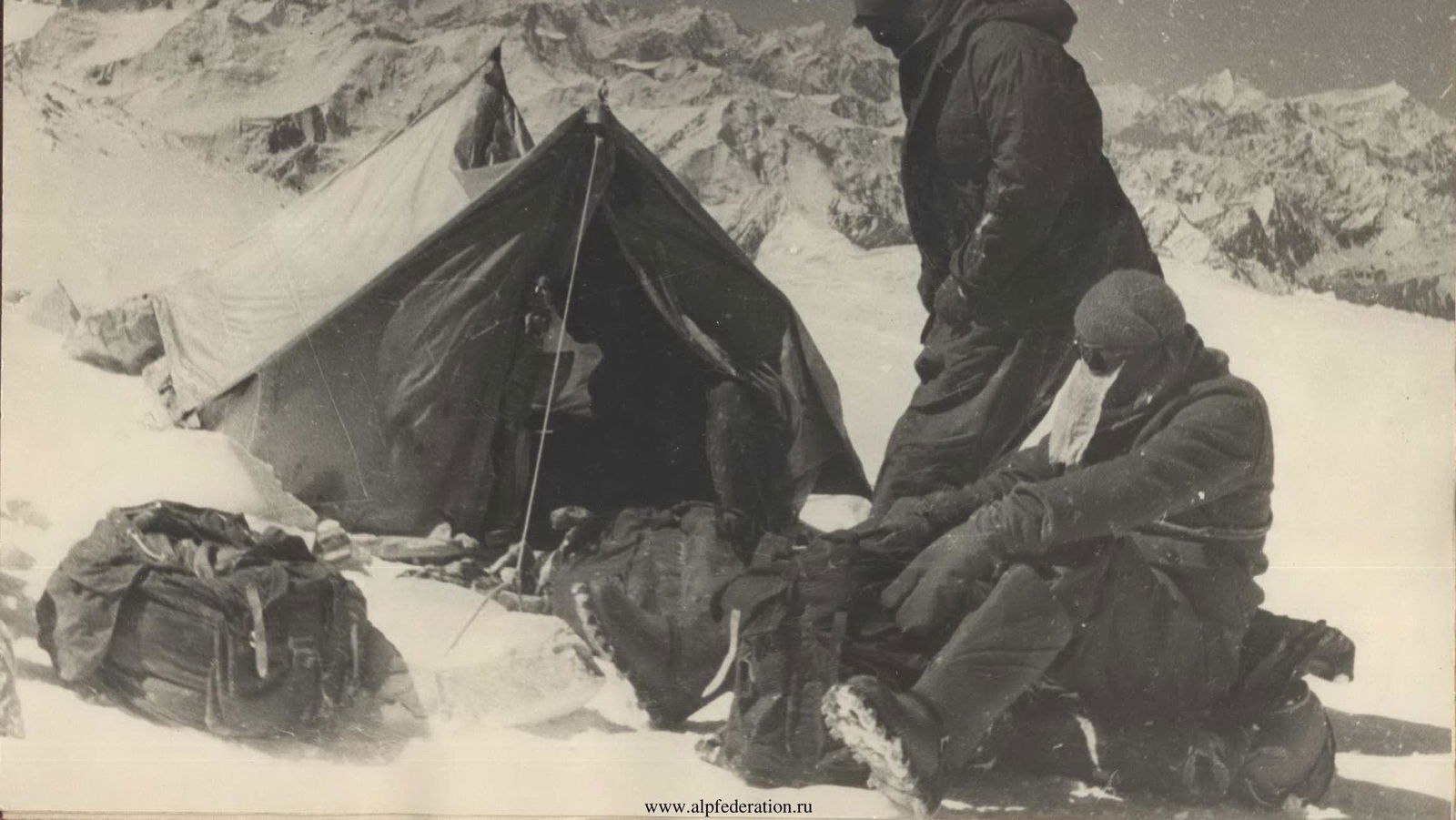
On the Western Ridge of Lenin Peak.
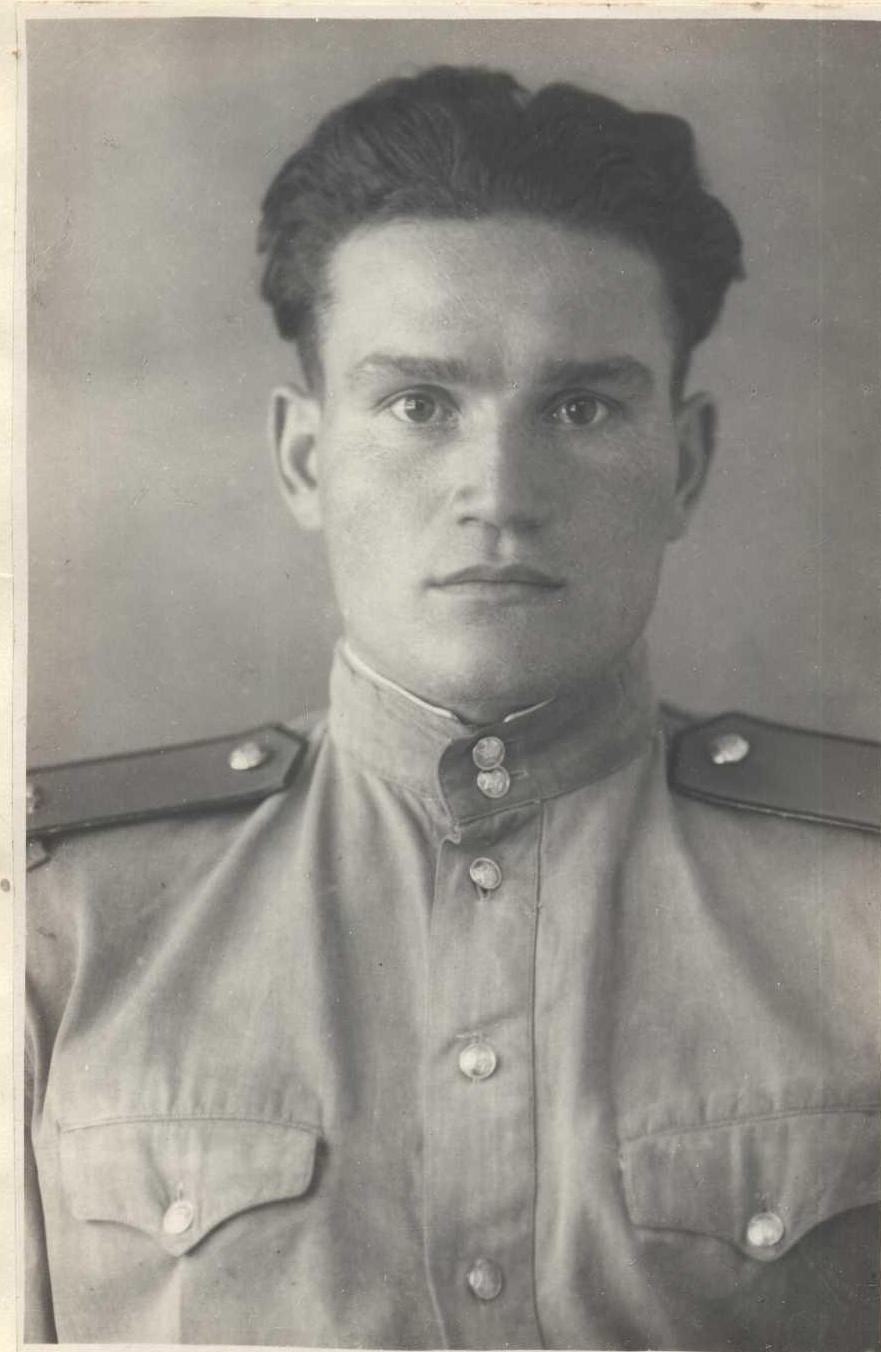
Leader of the traverse V. A. Kovalev.
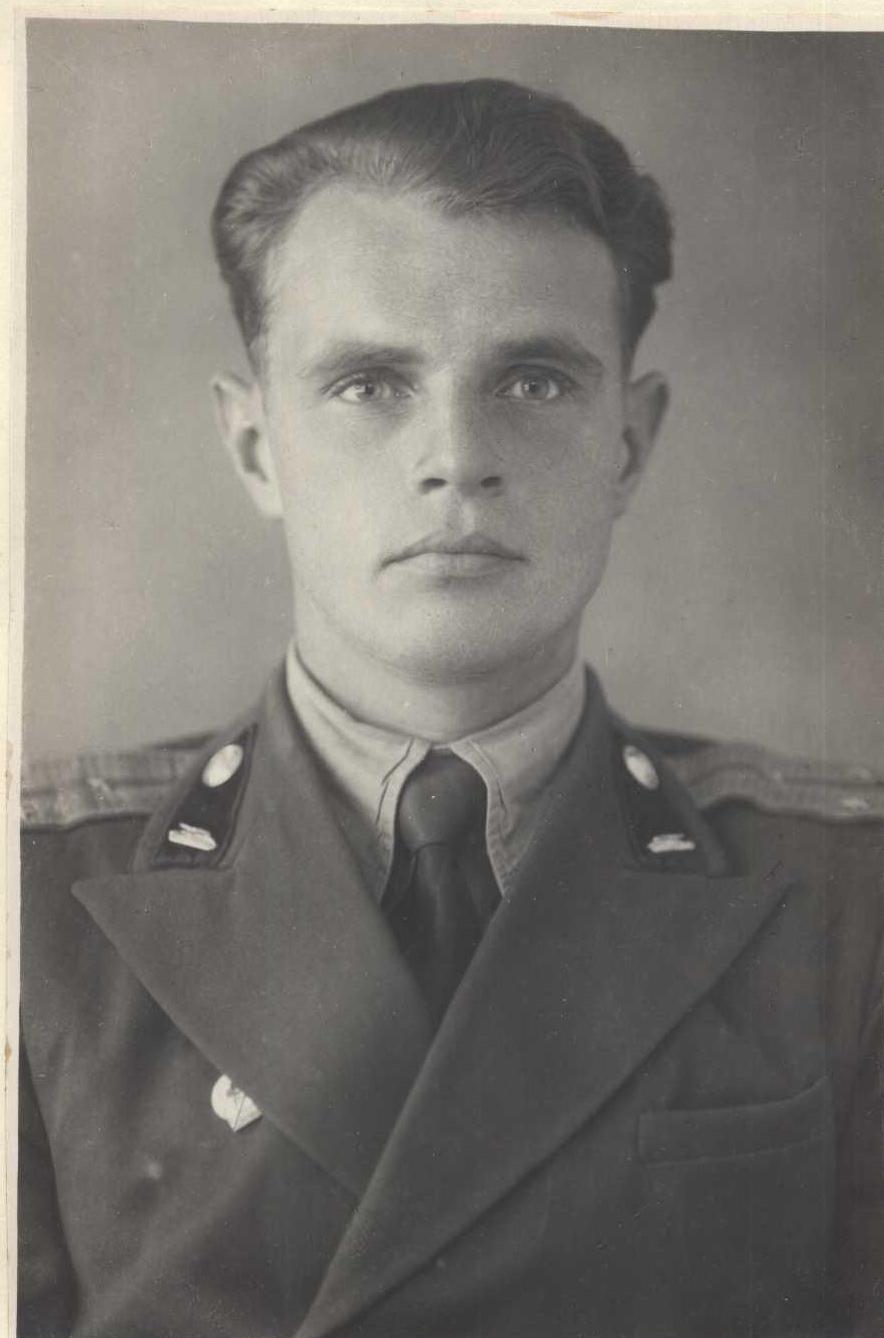
Deputy Political Officer of the traverse Senior Lieutenant V. N. Naryshkin.
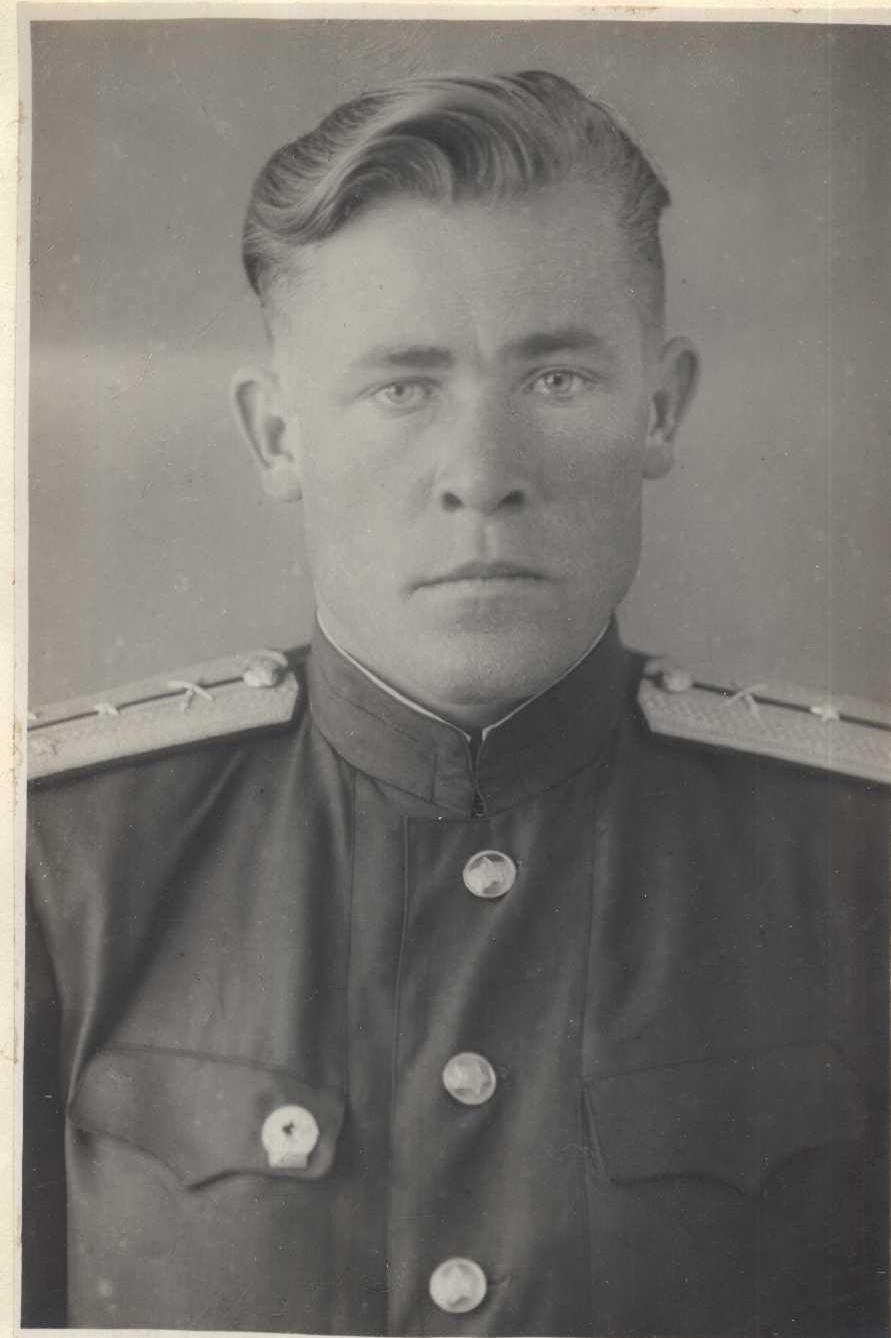
Participant of the traverse Senior Lieutenant E. I. Nagel.
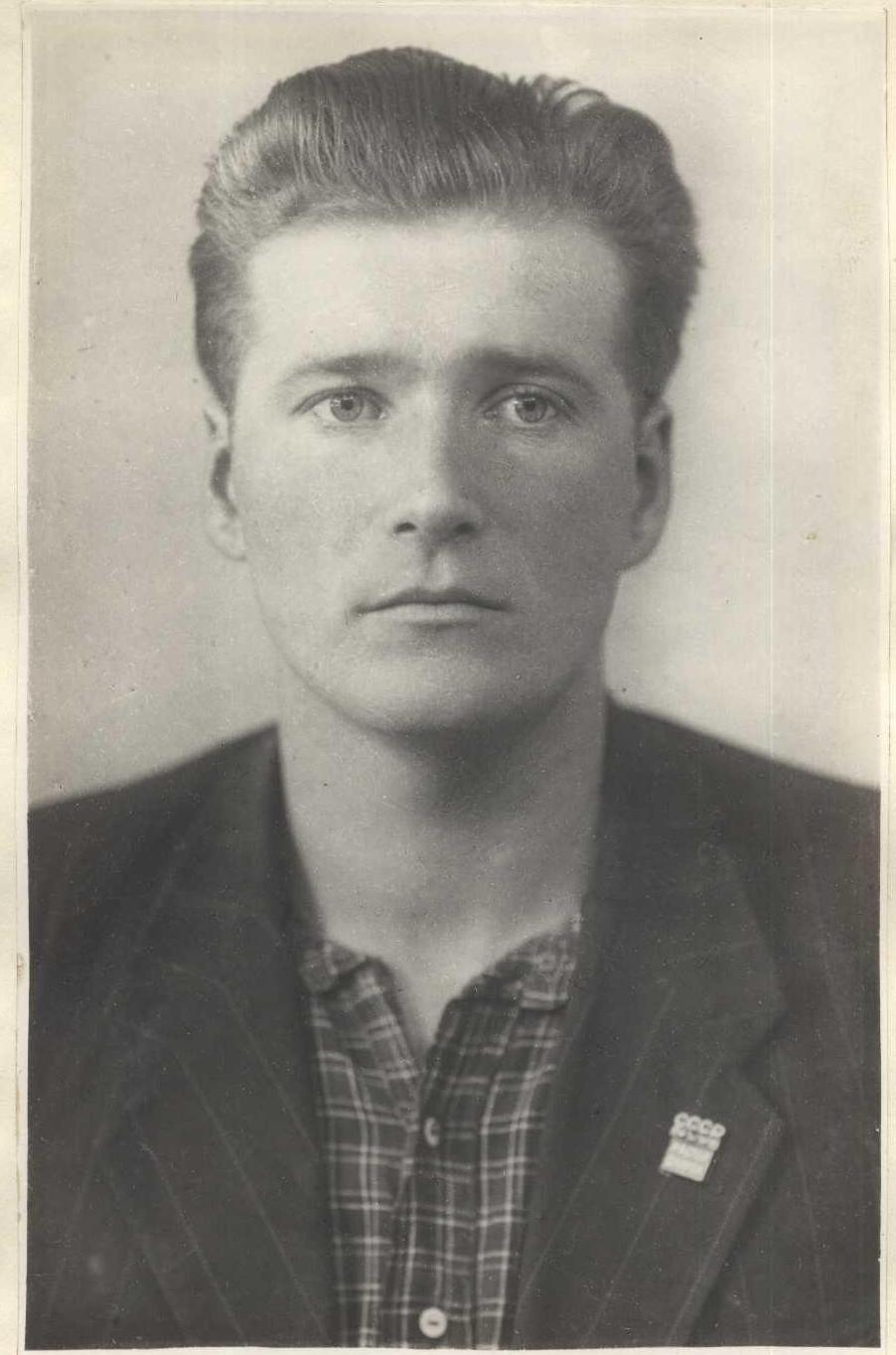
Participant of the traverse Master of Sports V. K. Nozdryukhin.
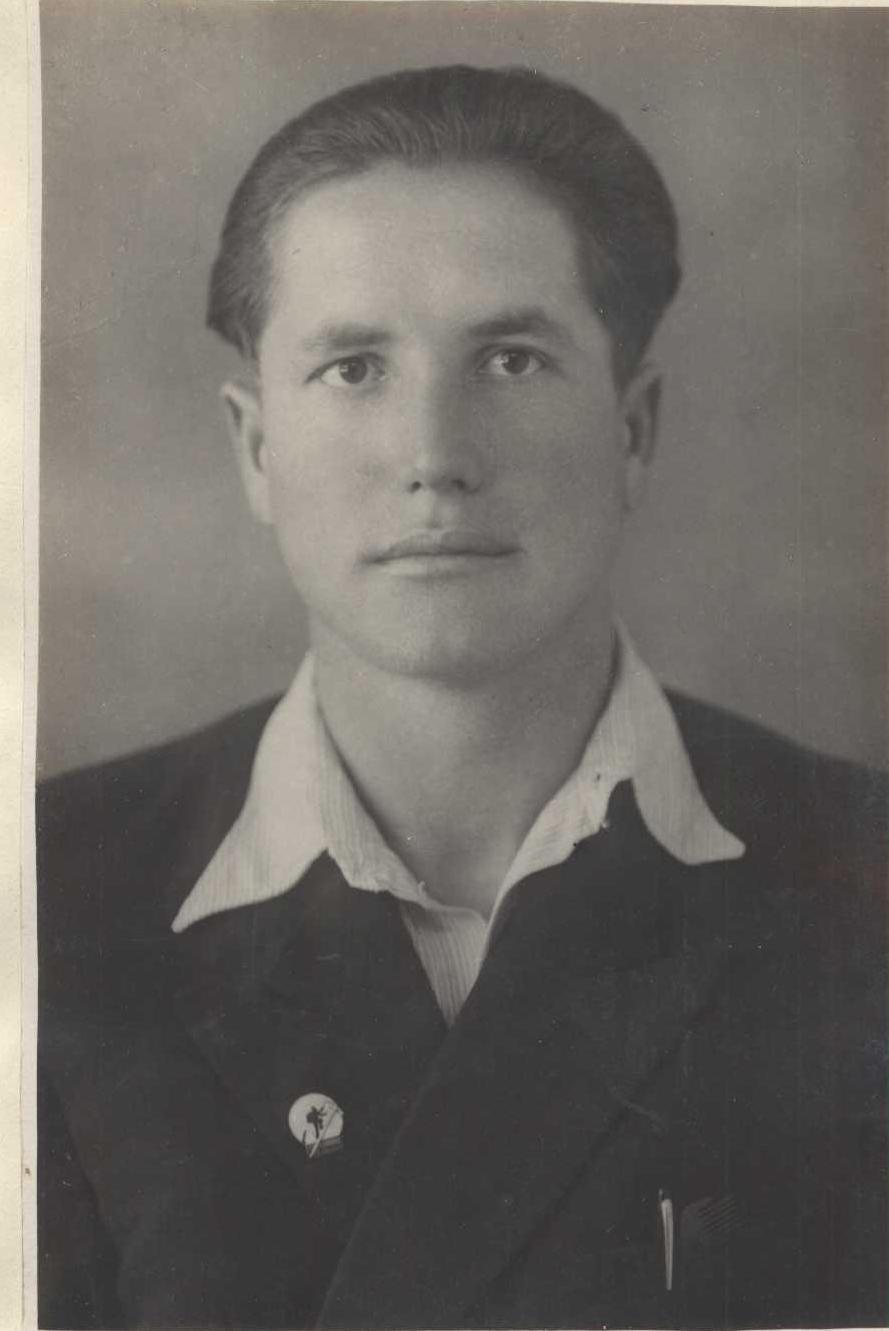
Participant of the traverse P. M. Karpov.
Comments
Sign in to leave a comment