
MINISTERSTWO SPORTU, TURYSTYKI I MOLODZIEŻOWEJ POLITYKI KRAJU KRASNOJARSKIEGO
KRASNOJARSKI KRAJOWY SPORTOWY ZWIĄZEK ALPINIZMU
Mistrzostwa Syberyjskiego Okręgu Federalnego w alpinizmie 2013 rok
Klasa wysokościowo-technicznych wejść
Sprawozdanie
Zespołu reprezentacyjnego Kraju Krasnojarskiego Pik Korona 6-я baшня 4860 m po «каньону» zachodniej ściany
Proponuje się:
- 5B kat. trud.
- Pierwsze przejście
- Krasnojarsk 2013
Paszport wejścia
- Region — Tienszan, pasmo kirgiskie, 7.4.
- Pik — Korona 6-я baшня, 4860 m po «каньону» zachodniej ściany.
- Proponuje się — 5B kat. trud.
- Charakter marszrutu — kombinowany.
- Charakterystyka marszrutu:
różnica wysokości części wysokościowej — 700 m, całego marszrutu — 760 m. Długość marszrutu — 850 m, długość odcinków:
- 6 kat. trud. — 200 m.
- 5 kat. trud. — 350 m. Średnie nachylenie części ściennej marszrutu — 70°.
- Pozostawiono na marszrucie: haków — 0, w tym szlamburowych — 0; «zakładok» — 0.
Użyto haków na marszrucie:
- szlamburowych stacjonarnych — 0
- ogółem ITO około — 200.
- Liczba godzin marszowych — 22, dni — 2.
- Kierownik — Łoginow Igor Aleksandrowicz MS
Uczestnicy: Chwostenko Oleg Walerjewicz MS
- Trenerzy zespołu: Zacharow Nikołaj Nikołajewicz MSМК, ZTр
Balezin Walerij Wiktorowicz MSМК
- Data wyjścia:
na marszrutę — 5 marca 2013 r. o 7:00, na wierzchołek — 6 marca 2013 r. o 18:00, powrót do BЛ (Racеka) — 7 marca 2013 r. o 16:00.
-
Organizacja: Ministerstwo Sportu, Turystyki i Polityki Młodzieżowej Kraju Krasnojarskiego, 2013 r.
Działania taktyczne zespołu
Marszrutu został przejściy w stylu alpejskim bez wstępnego przetarcia. Startowali w nocy z schroniska Racеka. Podejście do początku marszrutu około 4 godz.
- W pierwszym dniu przebyto około 500 m marszrutu.
- Nocleg w namiocie na dobrej półce.
- W drugim dniu przebyto pozostałe 350 m marszrutu.
- Nocleg na wierzchołku 6Б.
- Zejście trawersem przez 5Б Koroной.
Cały marszrutu można podzielić na dwie części:
- Szeroki żleb «каньон», przecinający zachodnią ścianę 6Б skośnie z lewa na prawo, długość 650 m.
- Wierzchołkowa wieża, marszrutu idzie po jej południowej ścianie, długość 200 m.
Wygodne bezpieczne miejsca na noclegi są:
- w górnej części żlebu (wyjść w prawo na grań),
- przed początkiem wierzchołkowej wieży,
- na wierzchołkowej wieży,
- na samym wierzchołku 6Б.
W letnim czasie możliwe jest przejście marszrutu wolnym wspinaniem (orientacyjnie maksymalna trudność do 6С fr). Jednak trzeba uważać na ostrzał kamieni w żlebie.
Podejście:
- Od schroniska Koronской
- Przez lodowiec Ak-Saj
- Dalej w «медвежий» kąt — 2 godz 30 min
Początek marszrutu po śnieżno-lodowym żlebie, przechodzącym w wyraźnie zarysowany «каньон».
Opis marszrutu po odcinkach
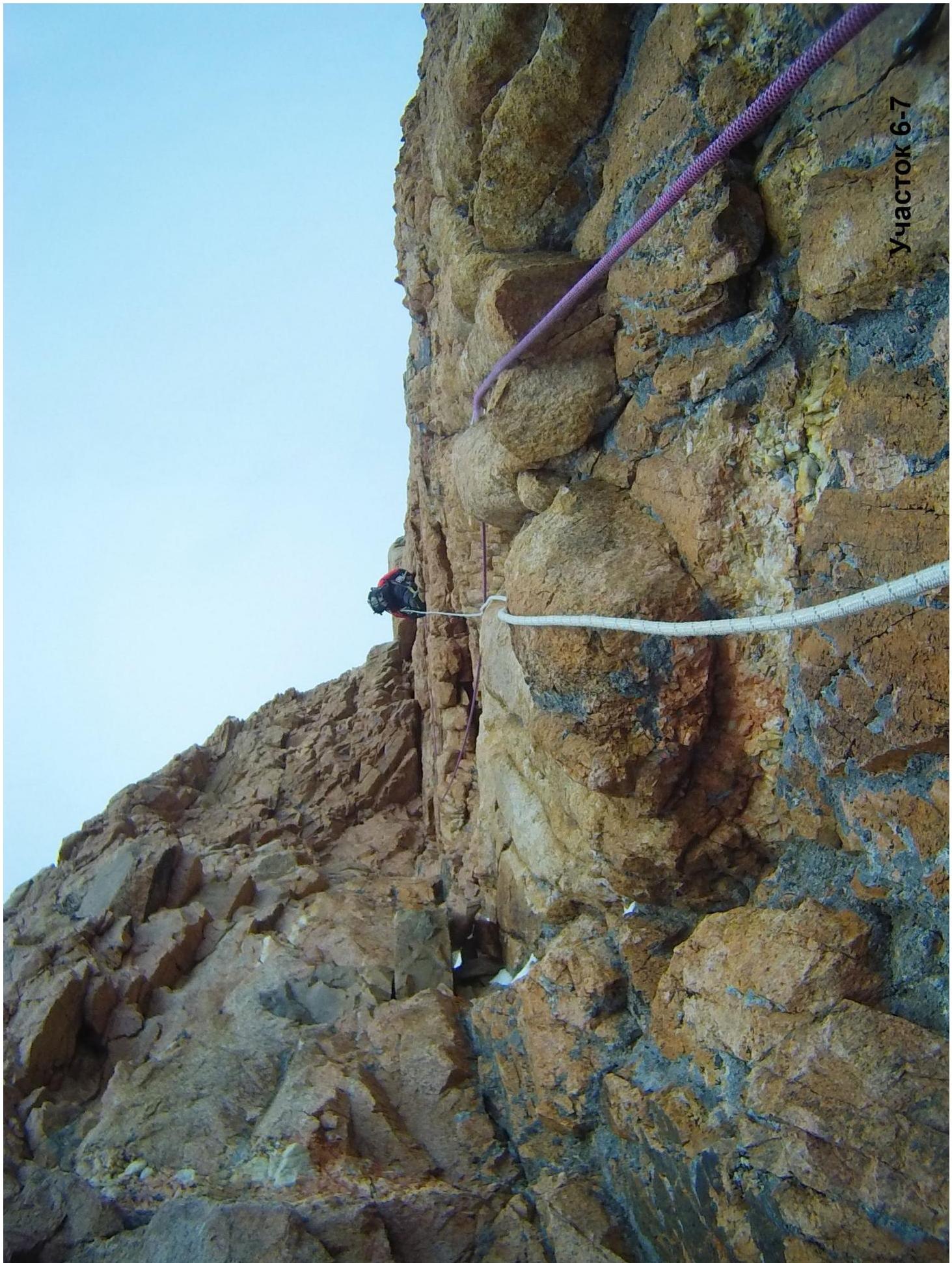
0 — 1. Śnieżno-lodowy stok, przechodzący w żleb. 100 m, 50°. 1 — 2. Wewnętrzny kąt ze szczelinami, na końcu mały gzyms. Wyjście do dużego żlebu. 30 m, 75°. 2 — 3. Szeroki skalny żleb «каньон» z naciekowym lodem. 220 m, 65°. 3 — 4. Pionowy komin. 50 m, 85°. 4 — 5. Kontynuacja żlebu, wyjście w prawo na wypłaszczenie. 100 m, 75°. Dobra półka pod namiot.
5 — 6. Po ściance na prawo od żlebu do wyjścia na ramię. 150 m, 80°. 6 — 7. Wierzchołkowa wieża — system ścianek i półek. Dobry relief, miejscami zniszczony. 200 m, 75°. Schemat marszrutu w symbolach UIAA
| № | Długość, m | Kąt, ° | Kategoria | |
|---|---|---|---|---|
| 7 | ||||
| 6 | 200 | 75 | VI, A2 | |
| 5 | 150 | 80 | VI, A2 | |
| 4 | 100 | 75 | IV — V, A1 | |
| 3 | 50 | 85 | VI, A2 | |
| 2 | 220 | 65 | IV — V, A1 | |
| 1 | 30 | 75 | V, A1 | |
| 0 | 100 | 50 | II |
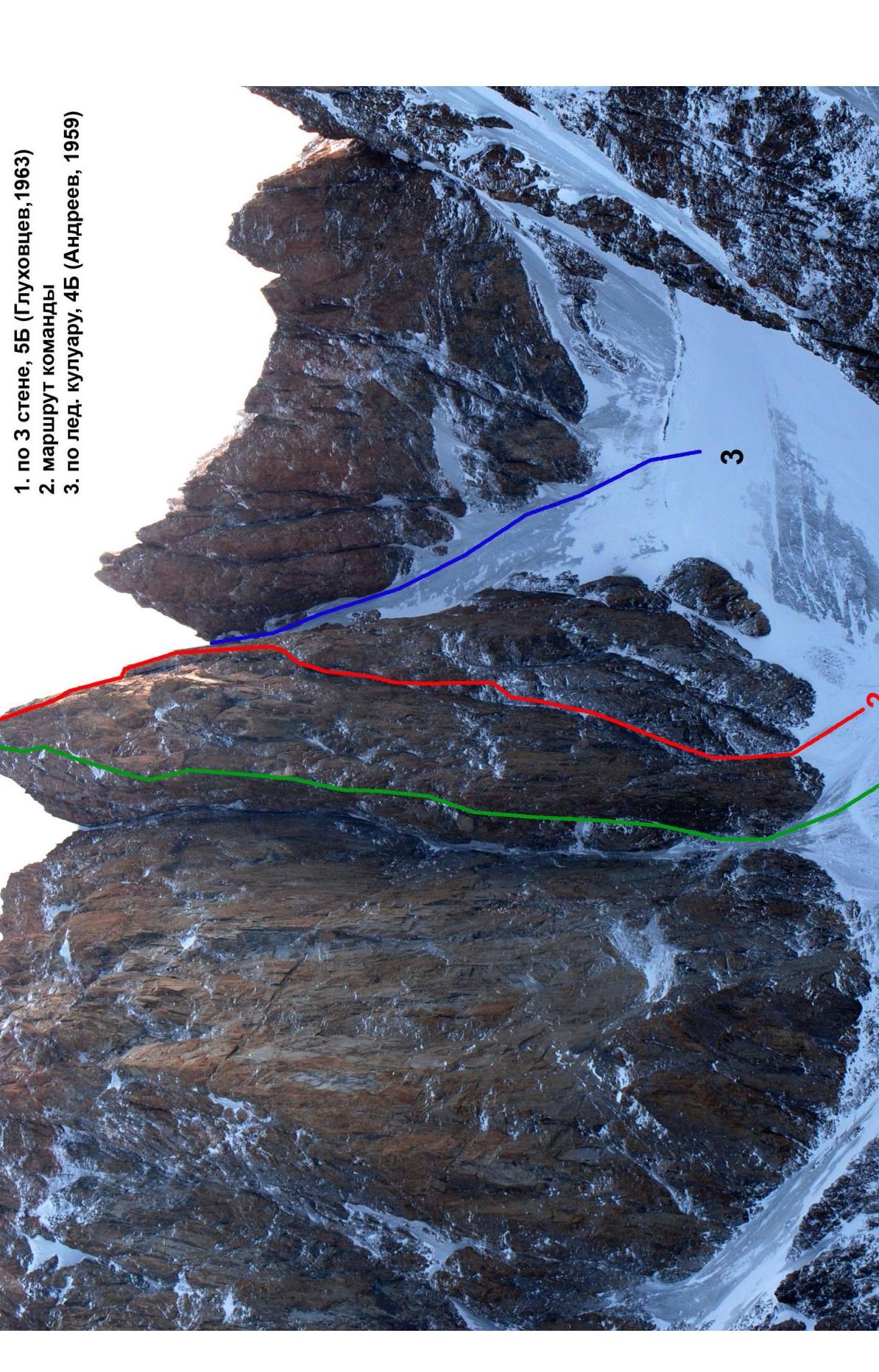
Ogólne zdjęcie
marszrutu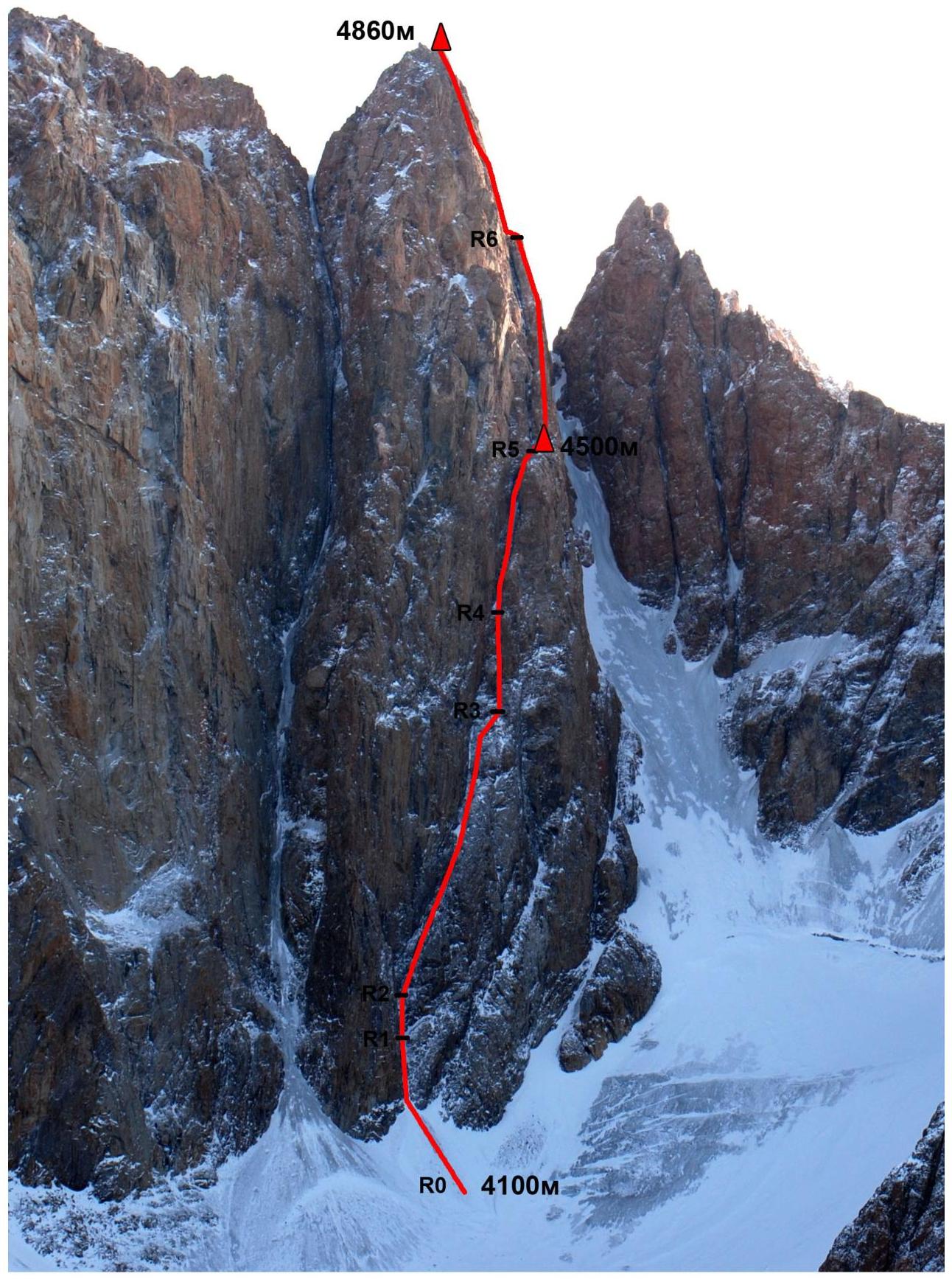
Techniczne zdjęcie
marszrutu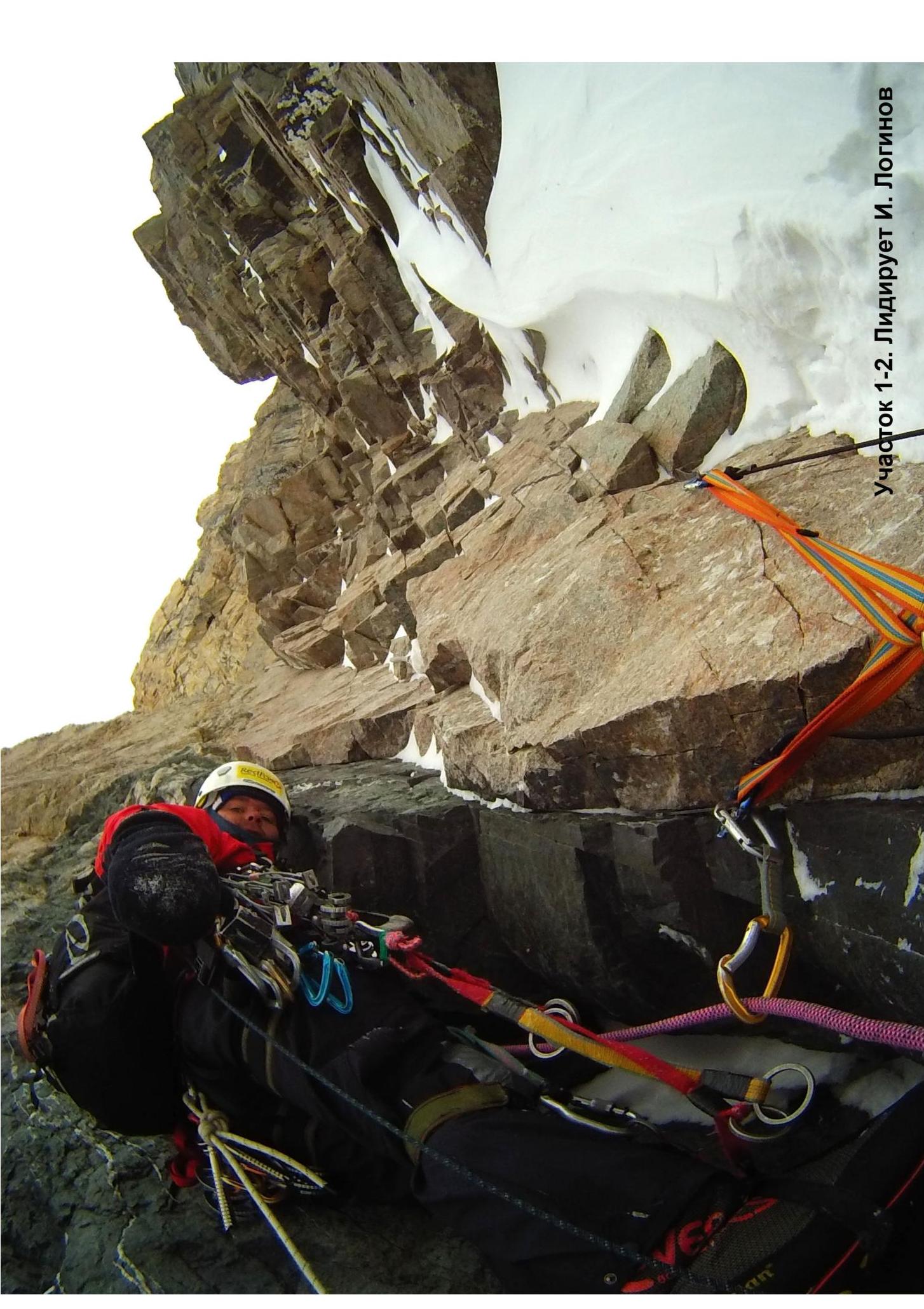
Odcinek R1–R2. Lideruje I.
Łoginow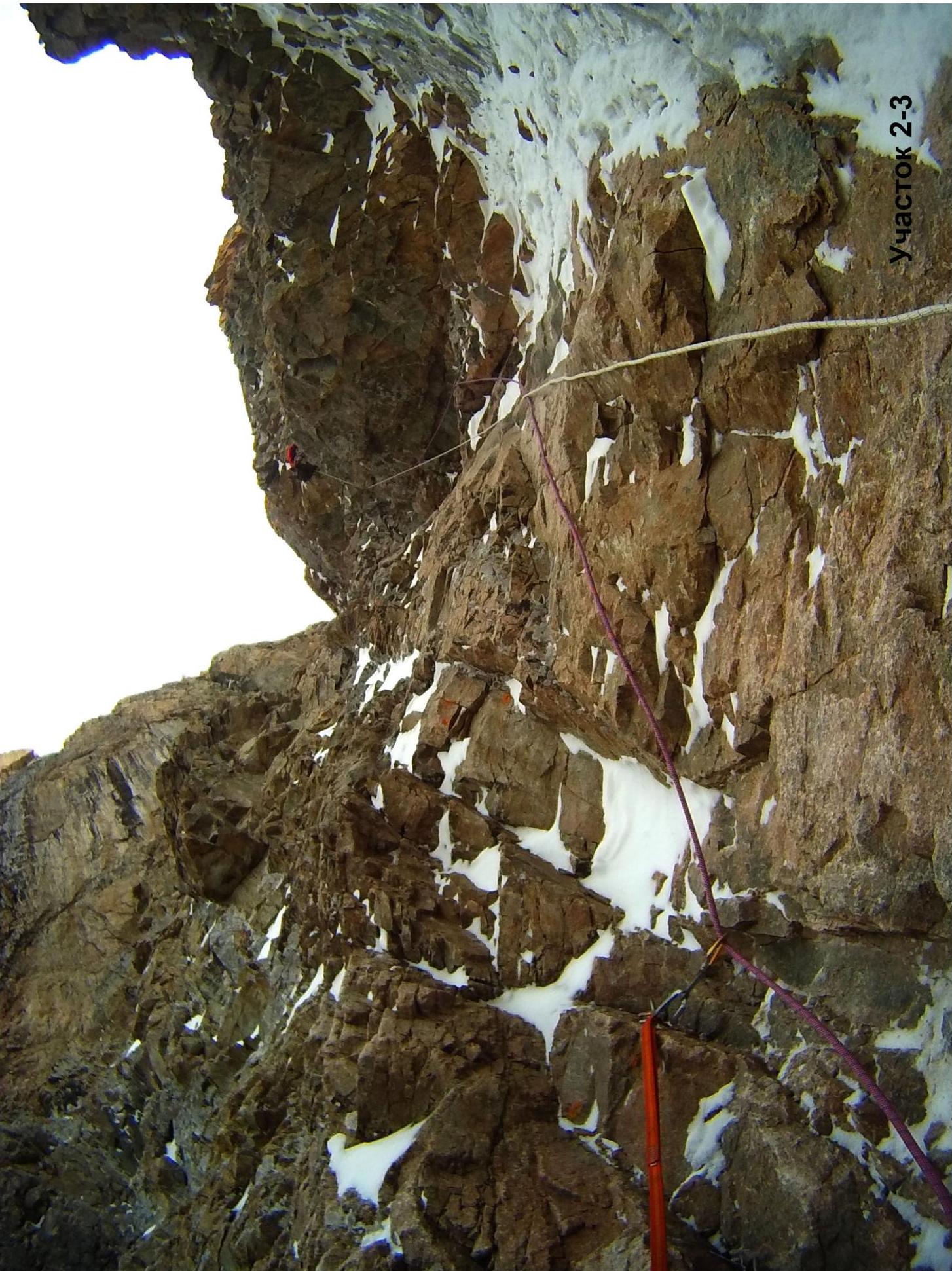
1. Wstęp
This document provides an overview of the key concepts and methodologies used in the study ofquantum mechanics.
- Fundamental principles
- Mathematical formulations
- Practical applications
2. Fundamental Principles
2.1 Wave-Particle Duality
Quantum mechanics introduces the concept of wave-particle duality, where particles such as electrons and photons exhibit both wave-like and particle-like properties. This duality is central to understanding the behavior of quantum systems.
2.2 Superposition
The principle of superposition states that a quantum system can exist in multiple states simultaneously until it is measured. This is mathematically represented by a wave function, denoted as |ψ⟩.
2.3 Uncertainty Principle
The Heisenberg Uncertainty Principle states that it is impossible to simultaneously know the exact position and momentum of a particle. This is expressed as: Δx ⋅ Δp ≥ ℏ/2 where:
- Δx is the uncertainty in position,
- Δp is the uncertainty in momentum,
- ℏ is the reduced Planck constant.
3. Mathematical Formulations
3.1 Schrödinger Equation
The Schrödinger equation is a fundamental equation in quantum mechanics that describes how the quantum state of a physical system changes over time. It is given by: iℏ ∂/∂t Ψ(r, t) = Ĥ Ψ(r, t) where:
- Ĥ is the Hamiltonian operator,
- Ĥ is the Hamiltonian operator,
- ℏ is the reduced Planck constant.
3.2 Dirac Notation
Dirac notation is a convenient and convenient way to represent quantum states and operators. It uses bra-ket notation, where the ket |ψ⟩ represents a quantum state, and a bra ⟨ψ| represents its dual.
4. Practical Applications
4.1 Quantum Computing
Quantum computing leverges the principles of superposition and entanglement to perform computations that are infeasible for classical computers. Quantum bits, or qubits, are the fundamental units of quantum information.
4.2 Quantum Cryptography
Quantum cryptography uses the principles of quantum mechanics to secure communication. Quantum key distribution (QKD) is a cornerstone of quantum computing, where key distribution is based on the state of the system.
5. Conclusion
Quantum mechanics is a cornerstone of modern physics, providing a framework for understanding the behavior of particles at the smallest scales. Its principles and mathematical formulations have led to groundbreaking technologies and continue to drive innovation in various fields.
6. References
- Griffiths, D. J. (2005). Introduction to Quantum Mechanics. Pearson.
- Shankar, R. (2012). Principles of Quantum Mechanics. Plenum
Press.

Odcinek
3–4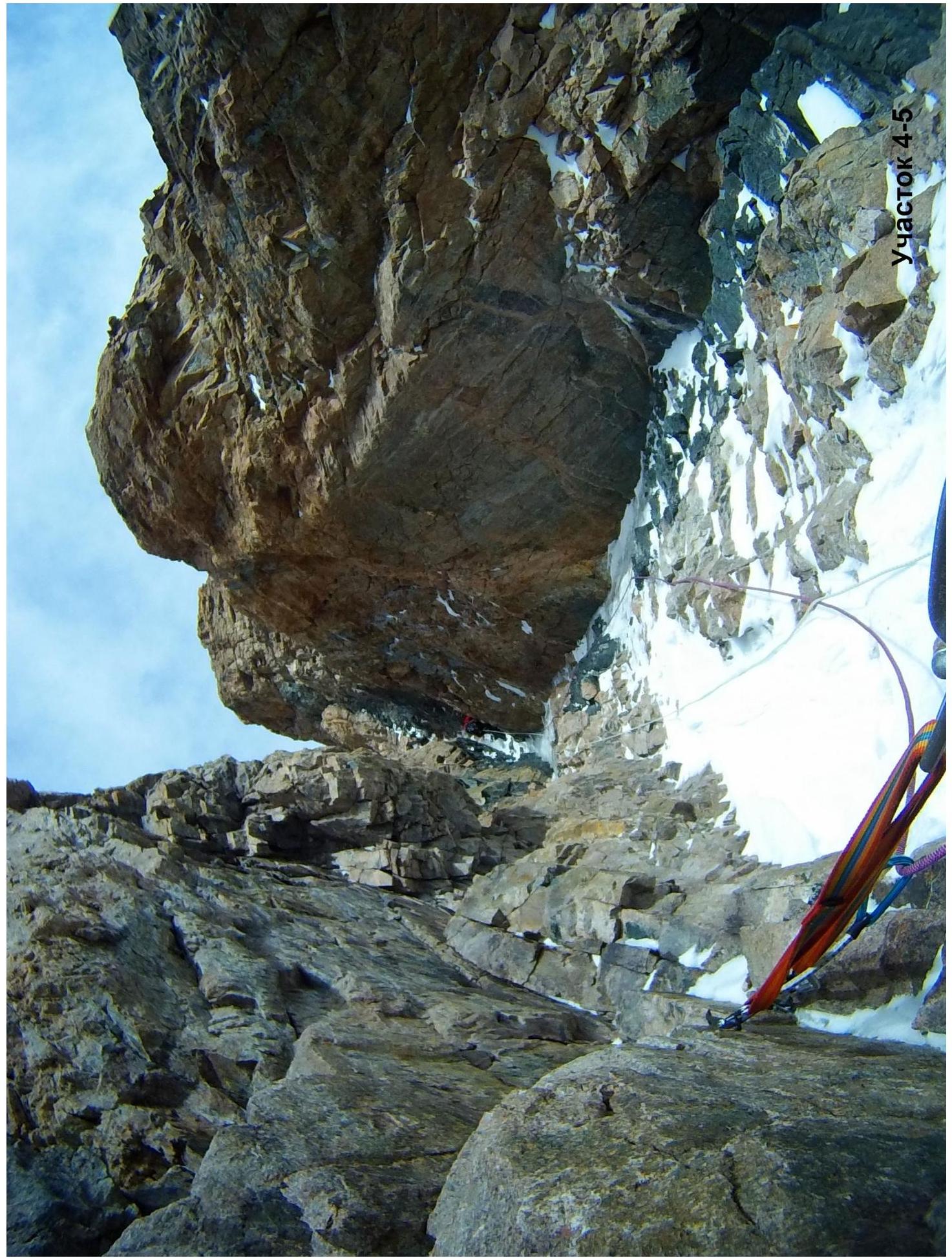
4-5
YAGEN 4–5
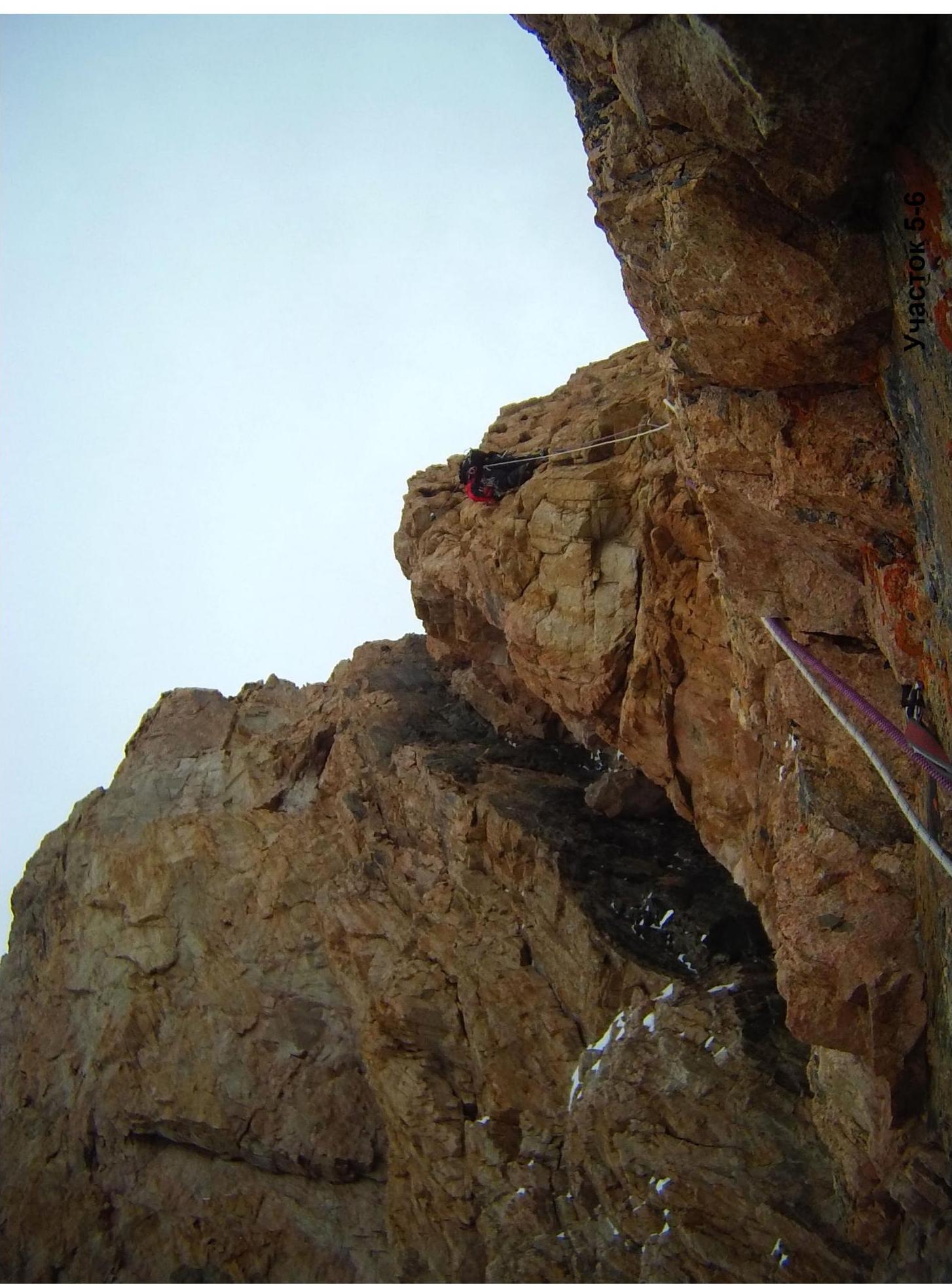
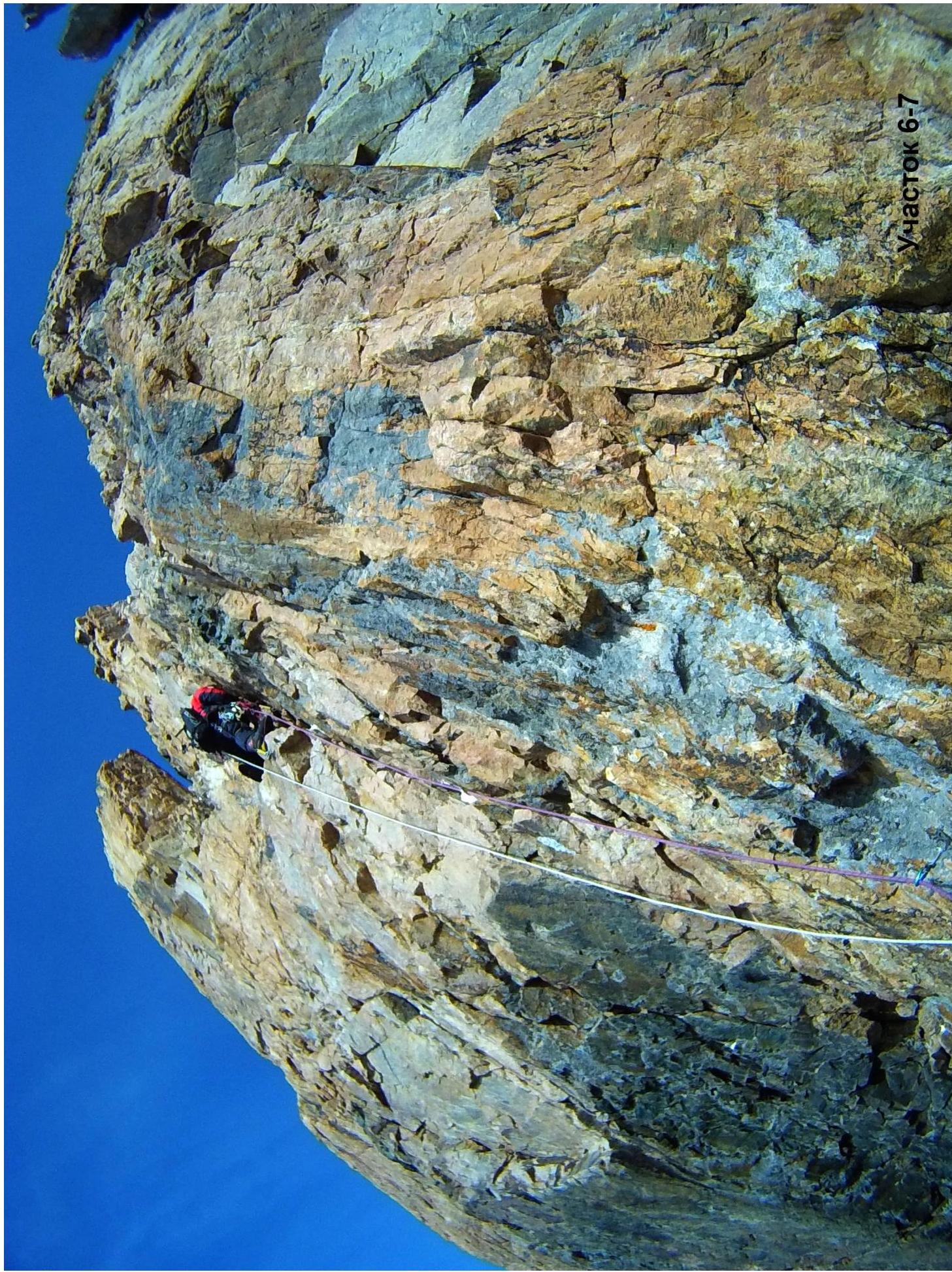
Odcinek
R6–R7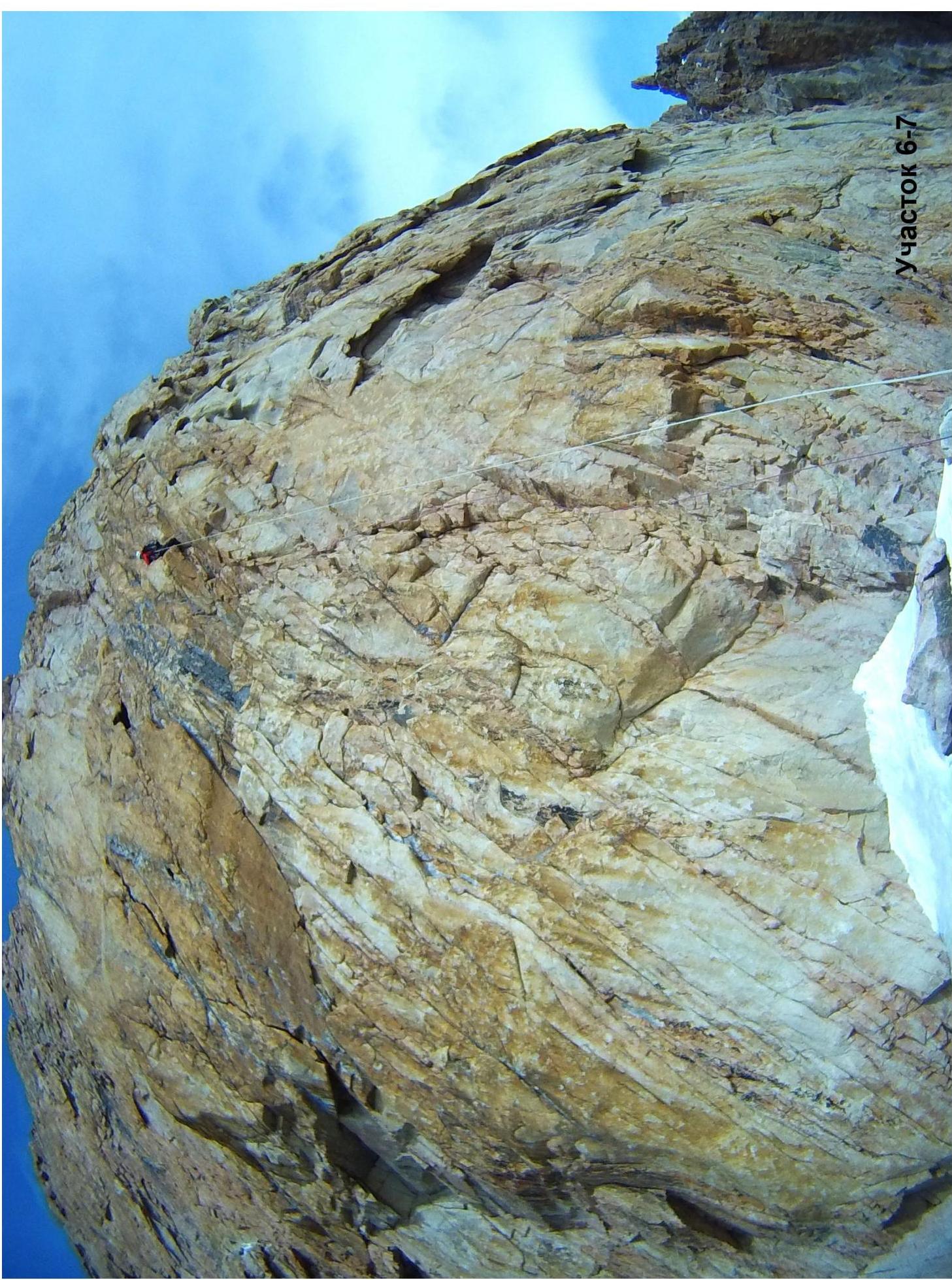
1999
1999 1999 1999 1999 1999 1999 1999 1999 1999 1999 1999 1999 1999 1999 1999 1999 1999 1999 1999 1999 1999 1999 1999 1999 1999 1999 1999 1999 1999 1999 1999 1999 1999 1999 1999 1999 1999 1999 1999 1999
1966
1966
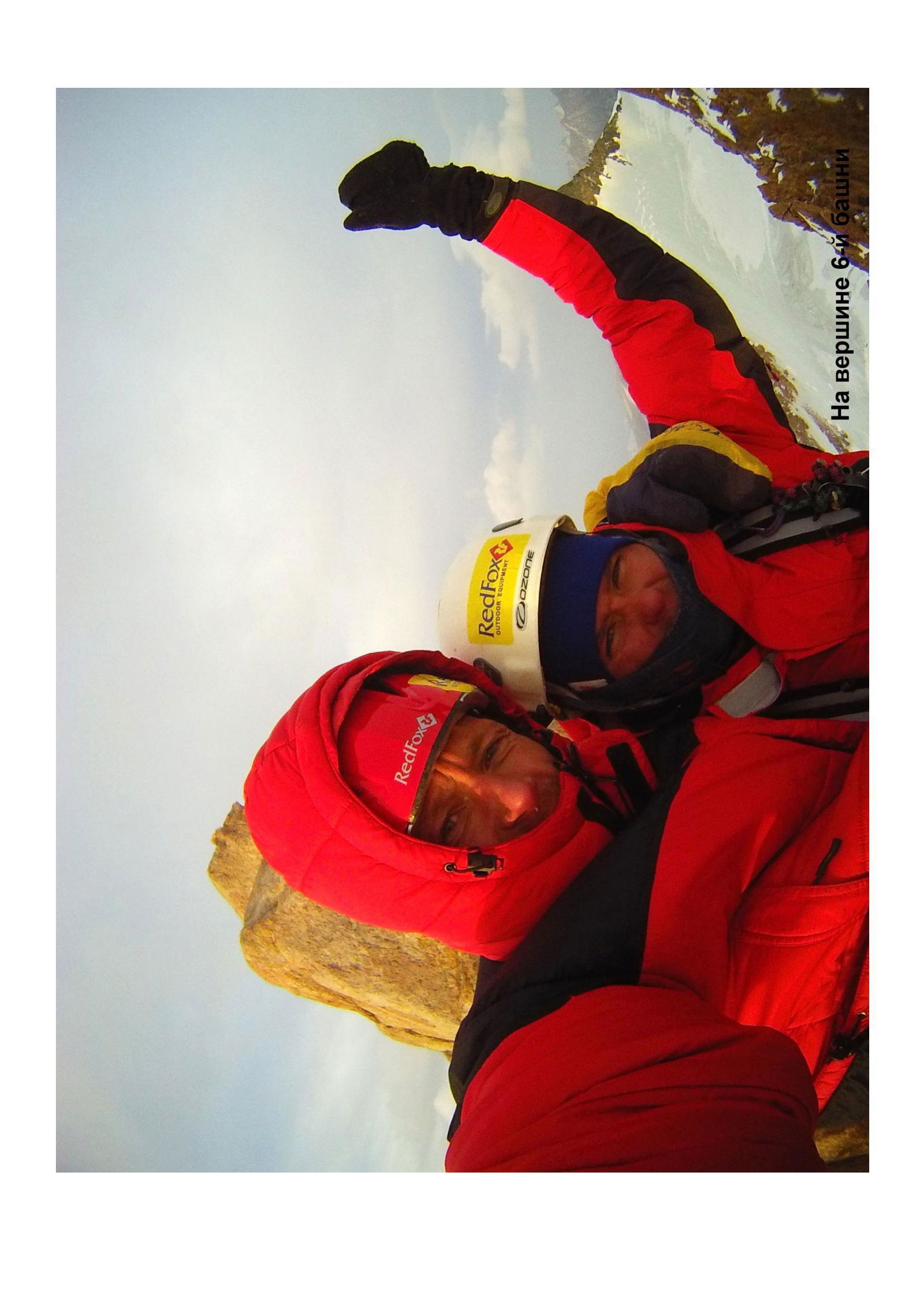
Na wierzchołku 64

Komentarze
Zaloguj się, aby zostawić komentarz