
克拉斯诺亚尔斯克边疆区体育、旅游和青年政策部
克拉斯诺亚尔斯克边疆区登山体育联合会
2013年西伯利亚联邦区登山锦标赛
高山技术攀登项目
报告
克拉斯诺亚尔斯克边疆区联合队攀登Korona峰6号塔(4860米)西壁“峡谷”路线
建议定为:
- 5B类难度
- 首次攀登
- 克拉斯诺亚尔斯克,2013年
攀登报告书
-
地区 — 天山,吉尔吉斯山脉,7.4区
-
峰名 — Korona峰6号塔,西壁“峡谷”路线,4860米
-
建议定为 — 5B类难度
-
路线性质 — 混合型
-
路线特征:
- 高度落差 — 700米,全程高度落差 — 760米
- 路线长度 — 850米,各难度路段长度:
- 6类难度 — 200米
- 5类难度 — 350米
- 墙面平均坡度 — 70°
-
路线上留下的装备:钩子 — 0,包括钻孔钩 — 0;“楔石” — 0
- 路线上使用的钩子:
- 固定钻孔钩 — 0
- 总共IТО约 — 200
- 路线上使用的钩子:
-
行进时间 — 22小时,天数 — 2
-
队长 — 伊戈尔·亚历山德罗维奇·洛吉诺夫,体育大师
- 队员:奥列格·瓦列里耶维奇·赫沃斯坚科,体育大师
-
教练:尼古拉·尼古拉耶维奇·扎哈罗夫,国际级体育大师,荣誉教练
- 瓦列里·维克托罗维奇·巴列津,国际级体育大师
-
出发时间:
- 2013年3月5日7:00开始攀登
- 2013年3月6日18:00登顶
- 2013年3月7日16:00返回大本营(Рацека)
-
主办单位:克拉斯诺亚尔斯克边疆区体育、旅游和青年政策部,2013年
战术行动
路线以阿尔卑斯风格一次性完成,无预先准备。从Рацека营地夜间出发,抵达路线起点约需4小时。
- 第一天完成约500米的路线。
- 在一个好的岩台上扎营过夜。
- 第二天完成剩余的350米路线。
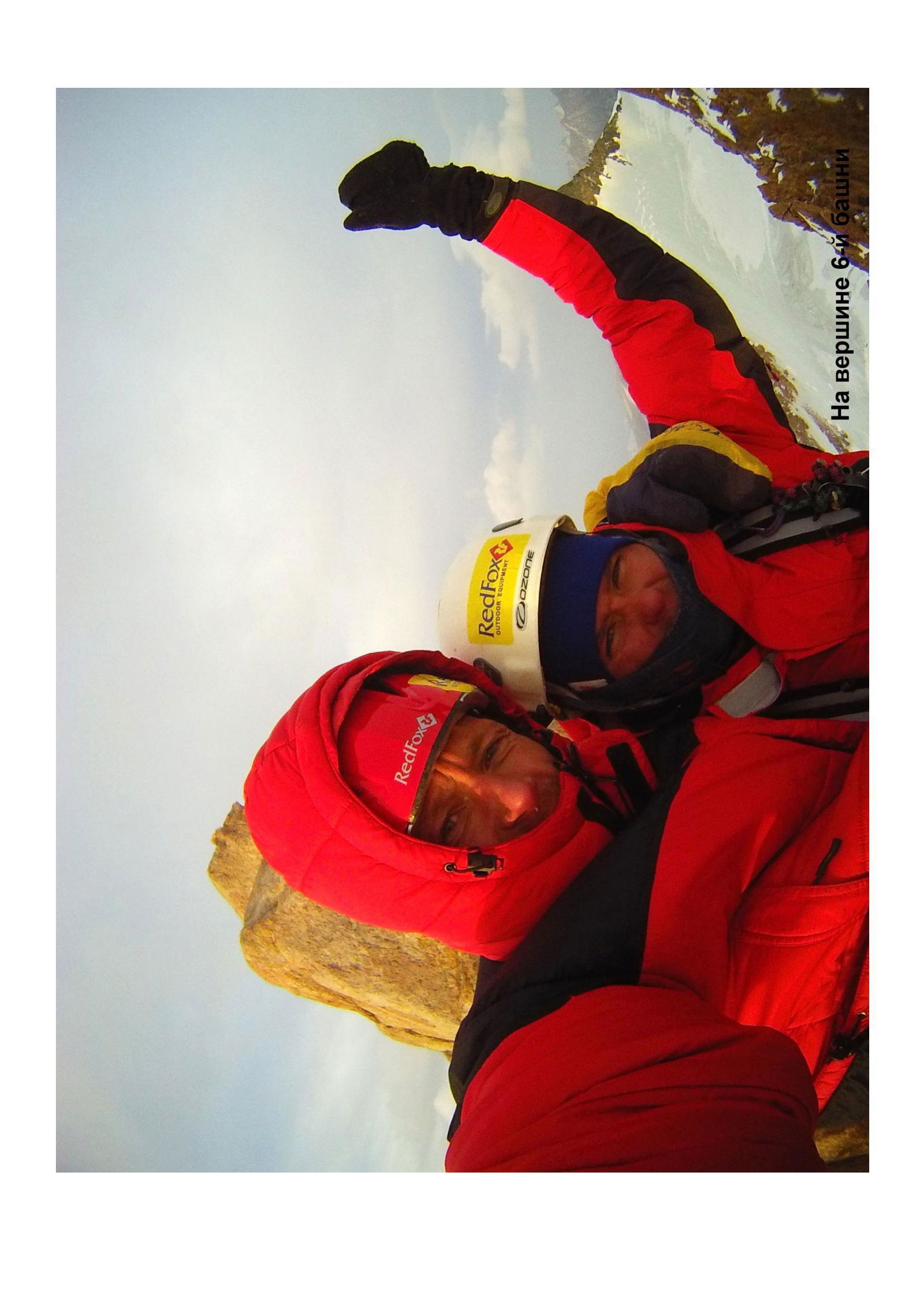
- 在6B峰顶过夜。
- 通过5B类难度路段下撤到Korona峰。
整个路线可分为两个部分:
- 宽阔的“峡谷”沟槽,斜穿西壁,从左到右,长度650米。
- 顶部的塔状岩体,路线沿南壁攀登,长度200米。
有安全合适的扎营地点:
- 在沟槽上部(右转到山脊上)
- 在塔状岩体开始前
- 在塔状岩体上
- 在6B峰顶
夏季有可能以自由攀登的方式完成路线(预计最大难度达到6C fr)。但需要注意沟槽中可能出现的落石。
抵达路线起点:
- 从Korona峰营地出发
- 穿过Ак-Сай冰川
- 然后到达“熊角” — 约2小时30分钟
路线起点为雪冰坡,接着是一个明显的“峡谷”。
路线分段描述
0 — 1. 雪冰坡,接着是沟槽。100米,50°。1 — 2. 内部角落,有裂缝,最后是一个小悬崖。进入大沟槽。30米,75°。2 — 3. 宽阔的岩石沟槽“峡谷”,有流水冰。220米,65°。3 — 4. 垂直烟囱。50米,85°。4 — 5. 继续沿沟槽前进,右转到一个较缓的平台。100米,75°。良好的岩台可供扎营。
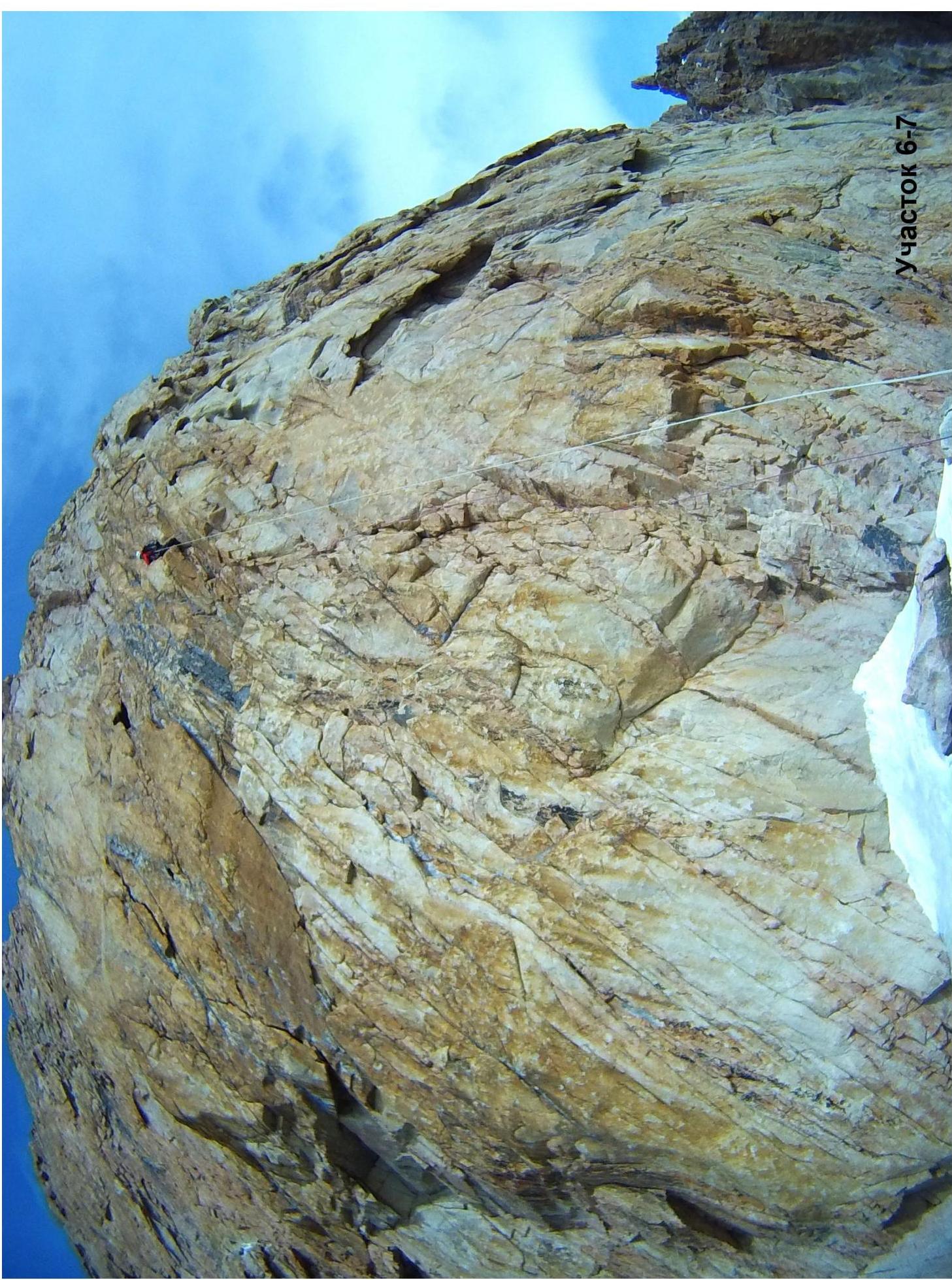
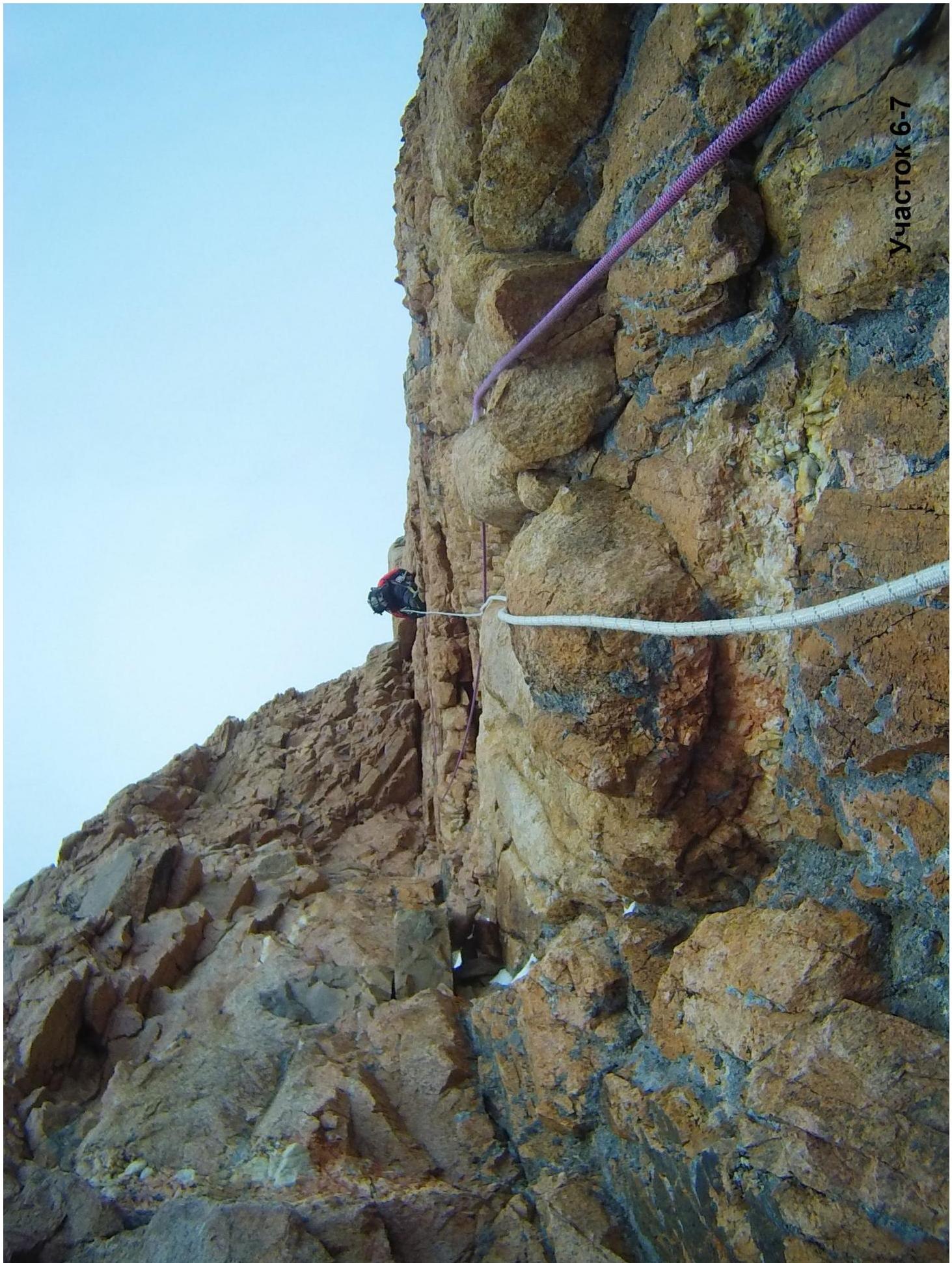
5 — 6. 沿着沟槽右侧的墙壁攀登,直到到达一个肩部平台。150米,80°。6 — 7. 顶部的塔状岩体 — 一系列墙壁和岩台。良好的地形,部分有破损。200米,75°。
UIAA符号表示的路线图
| 编号 | 长度(米) | 角度(°) | 类别 | |
|---|---|---|---|---|
| 7 | ||||
| 6 | 200 | 75 | VI, A2 | |
| 5 | 150 | 80 | VI, A2 | |
| 4 | 100 | 75 | IV-V, A1 | |
| 3 | 50 | 85 | VI, A2 | |
| 2 | 220 | 65 | IV-V, A1 | |
| 1 | 30 | 75 | V, A1 | |
| 0 | 100 | 50 | II |
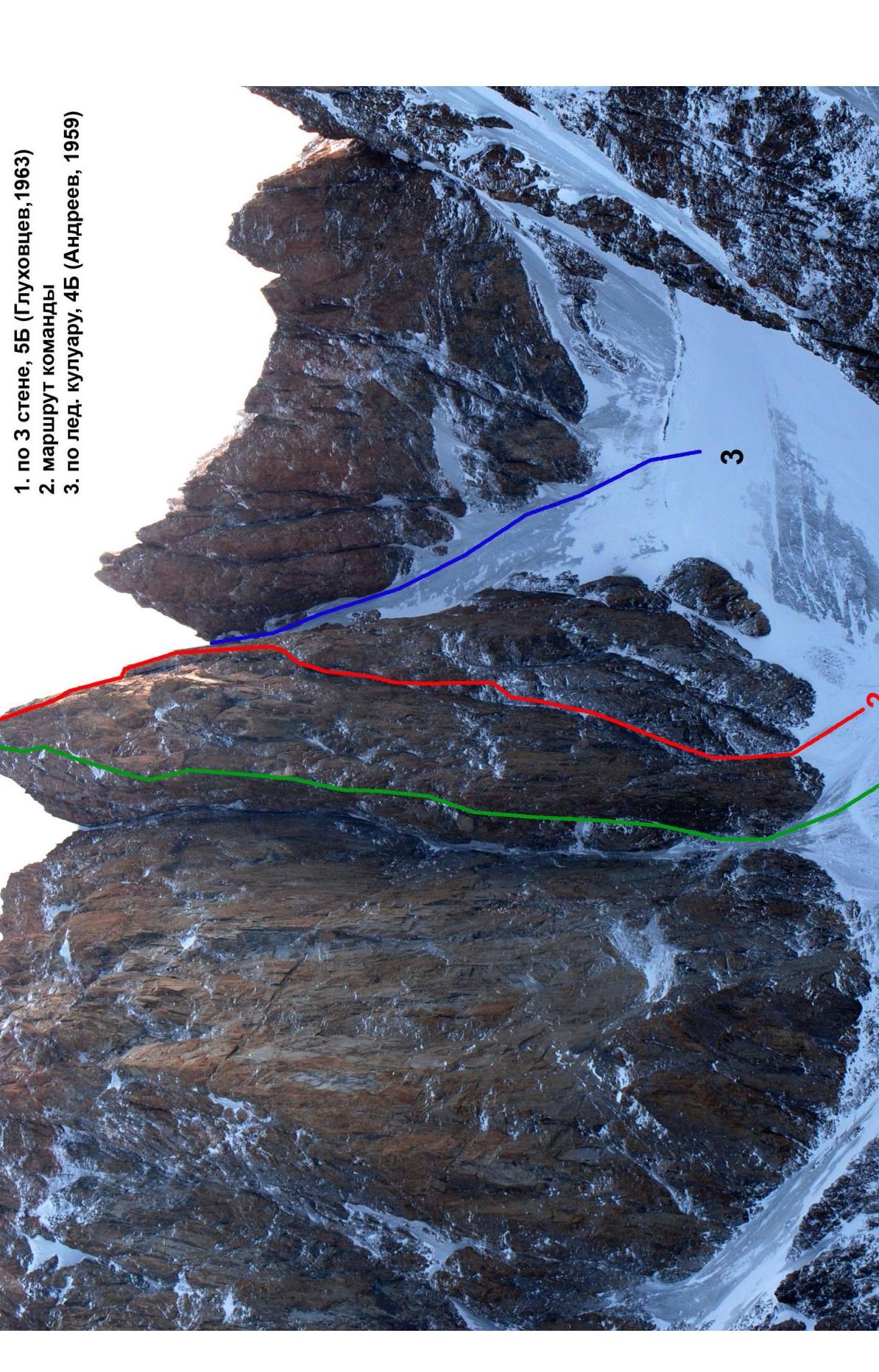
路线全貌
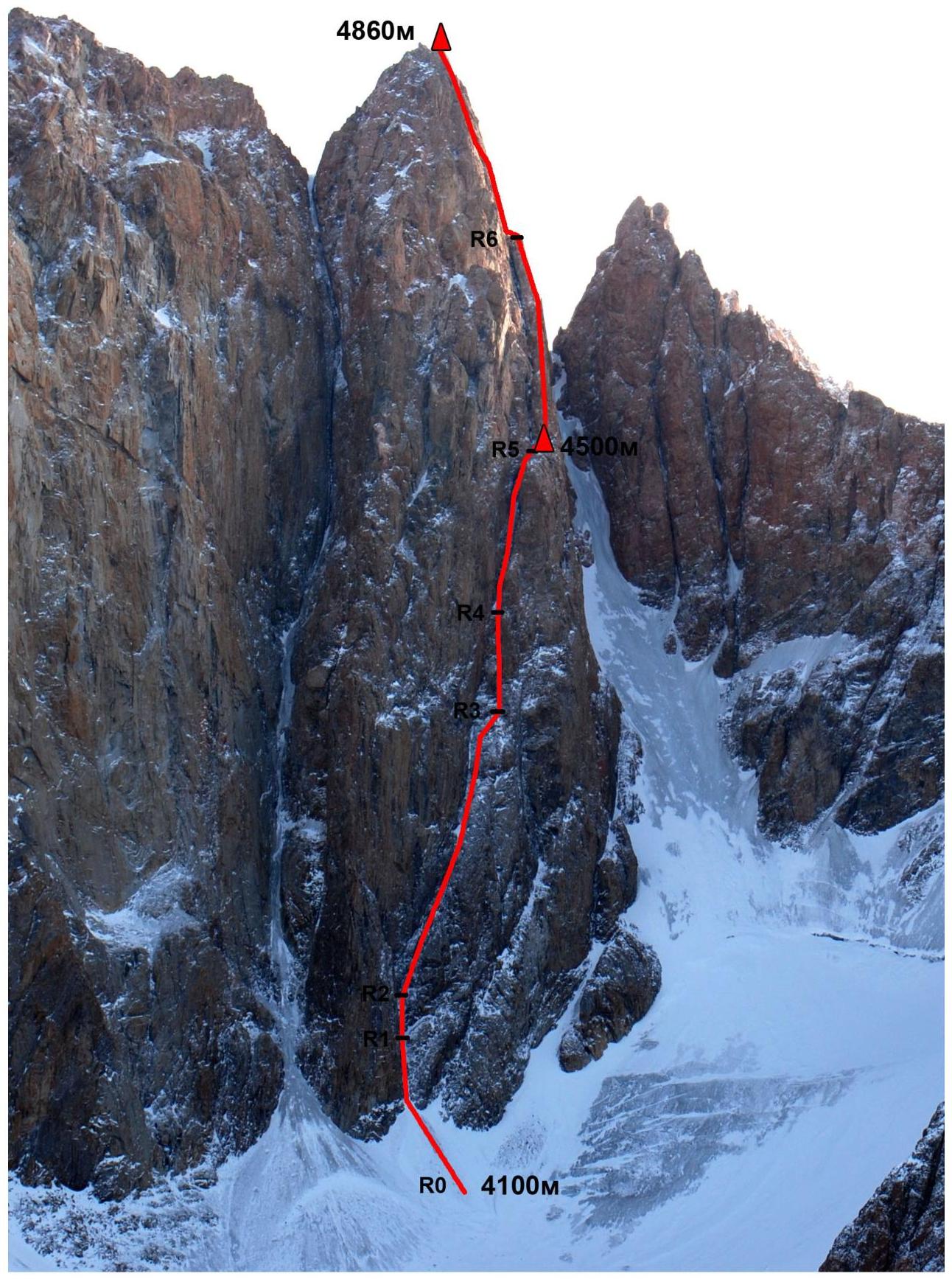
路线技术照片
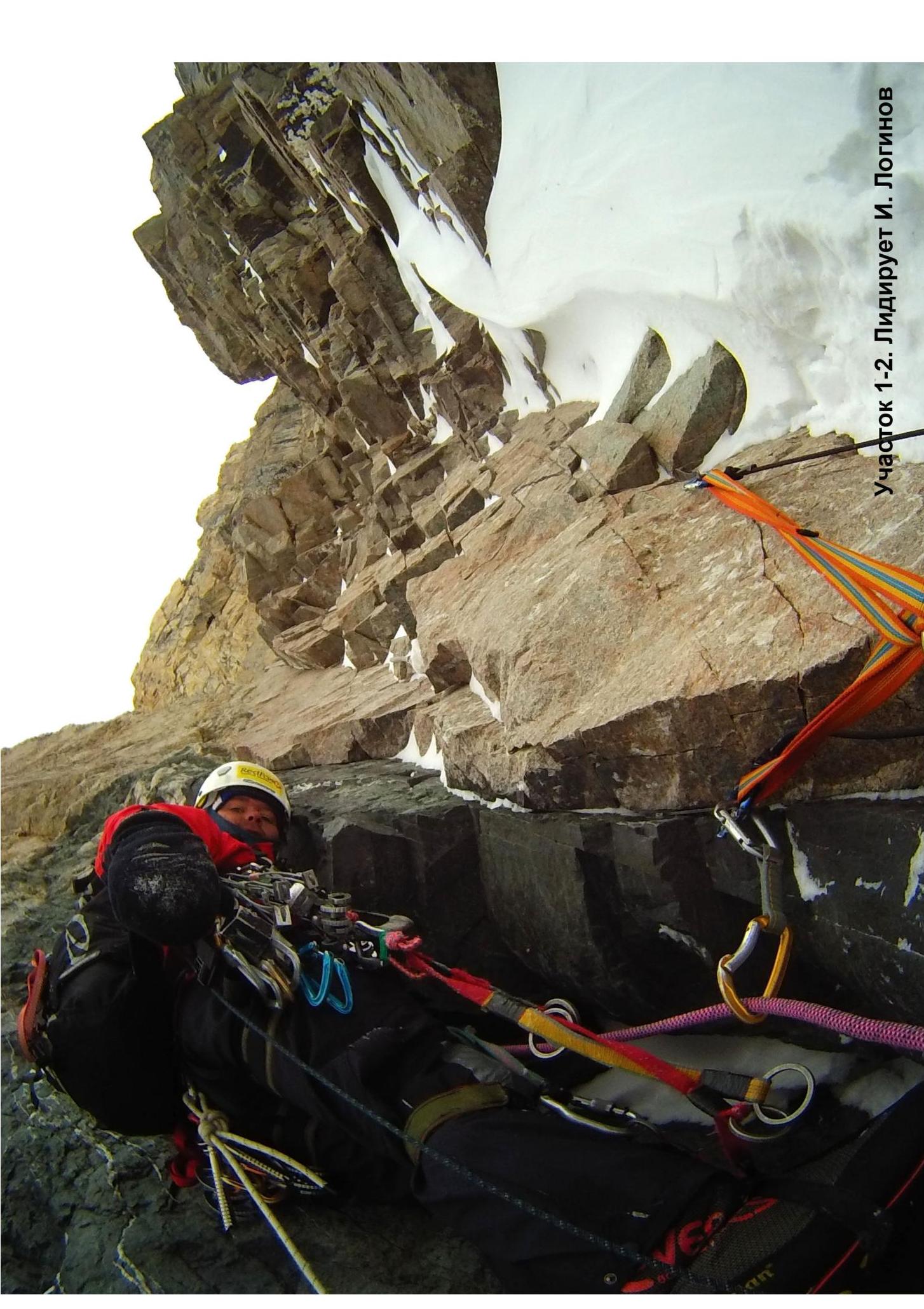
R1–R2路段。伊戈尔·洛吉诺夫领攀!
(以下内容保持原样,未进行翻译)
1. Introduction
This document provides an overview of the key concepts and methodologies used in the study ofquantum mechanics.
- Fundamental principles
- Mathematical formulations
- Practical applications
2. Fundamental Principles
2.1 Wave-Particle Duality
Quantum mechanics introduces the concept of wave-particle duality, where particles such as electrons and photons exhibit both wave-like and particle-like properties. This duality is central to understanding the behavior of quantum systems.
2.2 Superposition
The principle of superposition states that a quantum system can exist in multiple states simultaneously until it is measured. This is mathematically represented by a wave function, denoted as |ψ⟩.
2.3 Uncertainty Principle
The Heisenberg Uncertainty Principle states that it is impossible to simultaneously know the exact position and momentum of a particle. This is expressed as: Δx ⋅ Δp ≥ ℏ/2 where:
- Δx is the uncertainty in position,
- Δp is the uncertainty in momentum,
- ℏ is the reduced Planck constant.
3. Mathematical Formulations
3.1 Schrödinger Equation
The Schrödinger equation is a fundamental equation in quantum mechanics that describes how the quantum state of a physical system changes over time. It is given by: iℏ ∂/∂t Ψ(r, t) = Ĥ Ψ(r, t) where:
- Ĥ is the Hamiltonian operator,
- Ĥ is the Hamiltonian operator,
- ℏ is the reduced Planck constant.
3.2 Dirac Notation
Dirac notation is a convenient and convenient way to represent quantum states and operators. It uses bra-ket notation, where the ket |ψ⟩ represents a quantum state, and a bra ⟨ψ| represents its dual.
4. Practical Applications
4.1 Quantum Computing
Quantum computing leverges the principles of superposition and entanglement to perform computations that are infeasible for classical computers. Quantum bits, or qubits, are the fundamental units of quantum information.
4.2 Quantum Cryptography
Quantum cryptography uses the principles of quantum mechanics to secure communication. Quantum key distribution (QKD) is a cornerstone of quantum computing, where key distribution is based on the state of the system.
5. Conclusion
Quantum mechanics is a cornerstone of modern physics, providing a framework for understanding the behavior of particles at the smallest scales. Its principles and mathematical formulations have led to groundbreaking technologies and continue to drive innovation in various fields.
6. References
- Griffiths, D. J. (2005). Introduction to Quantum Mechanics. Pearson.
- Shankar, R. (2012). Principles of Quantum Mechanics. Plenum
Press.

3–4路段
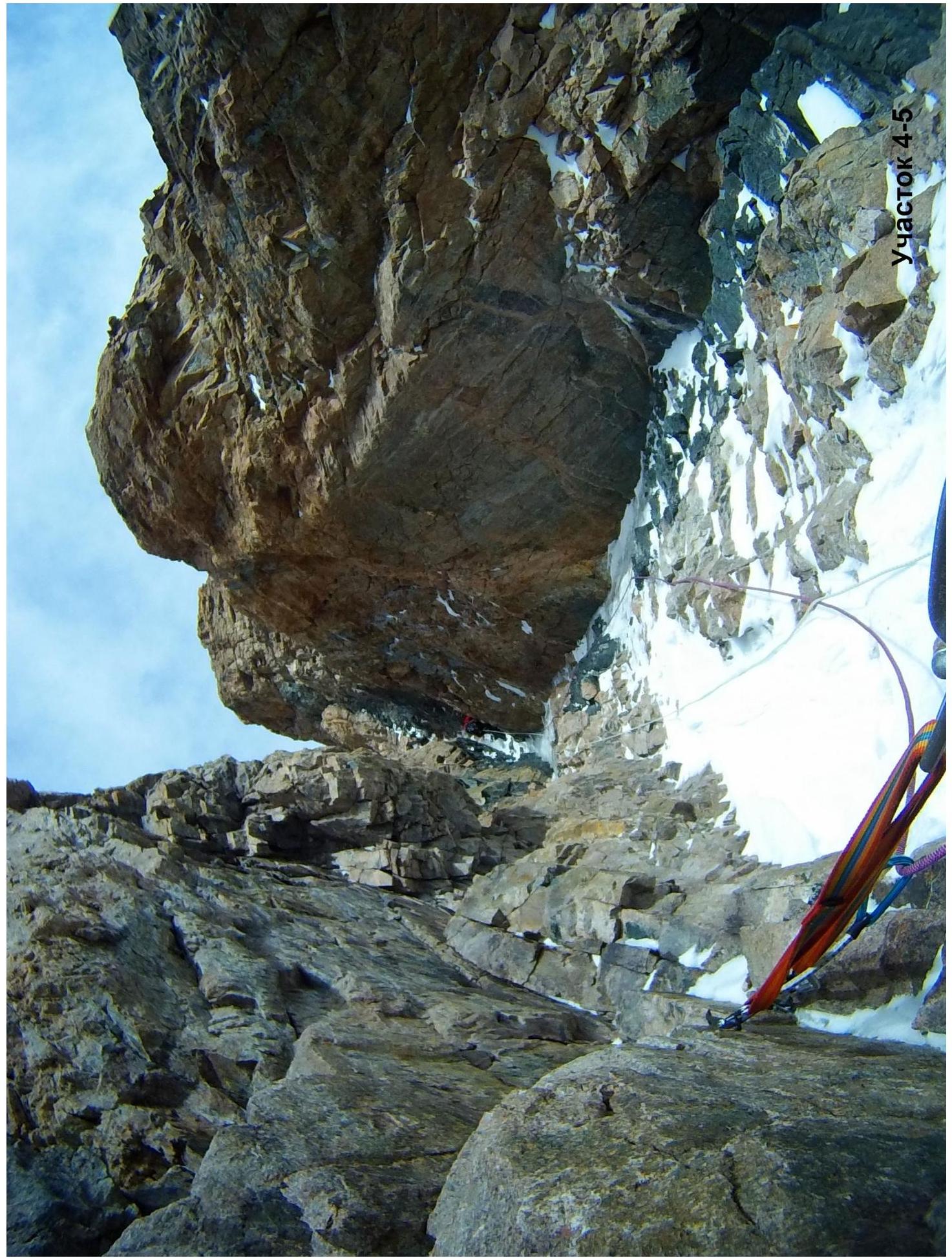
4-5
YAGEN 4–5
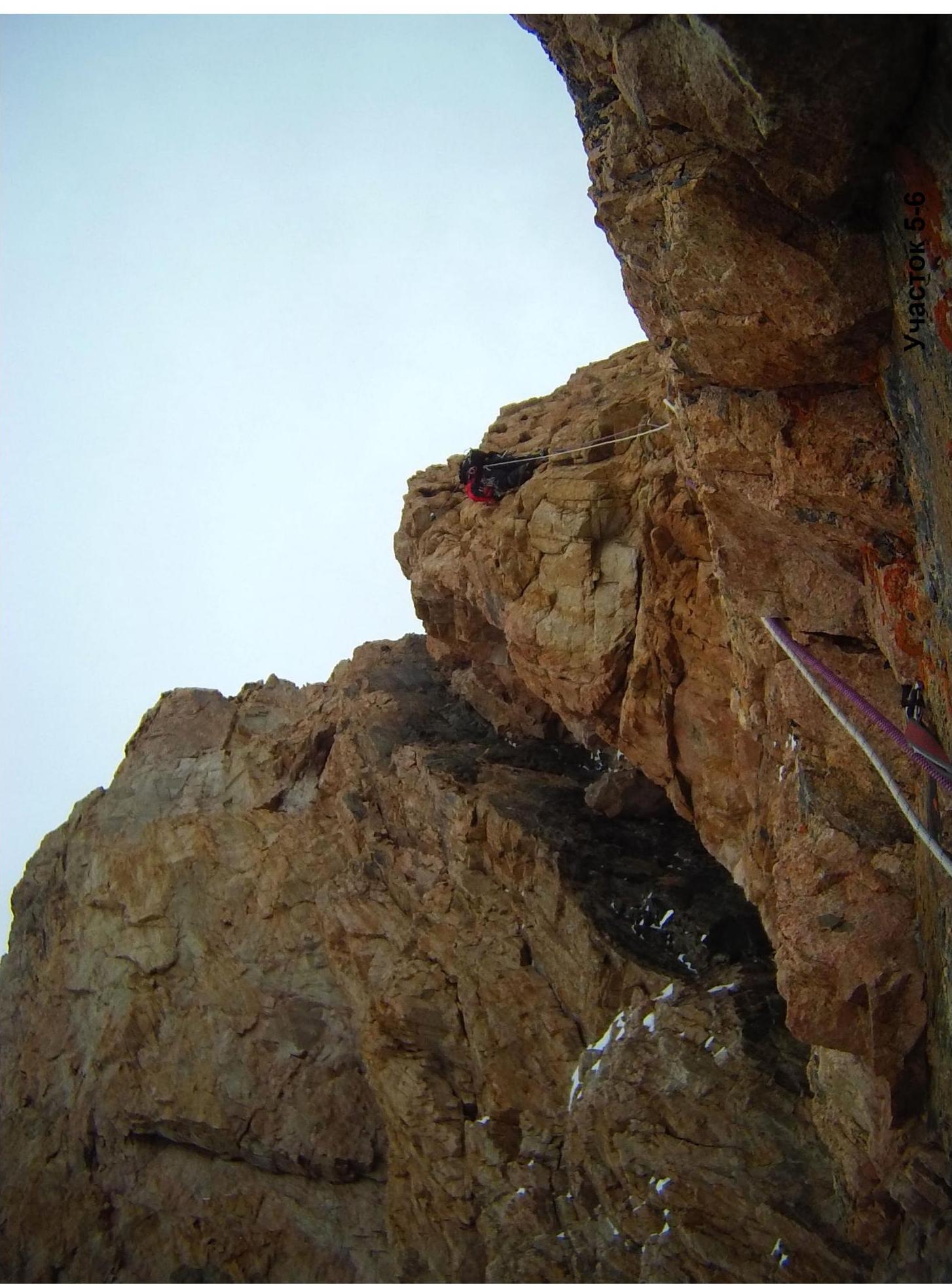
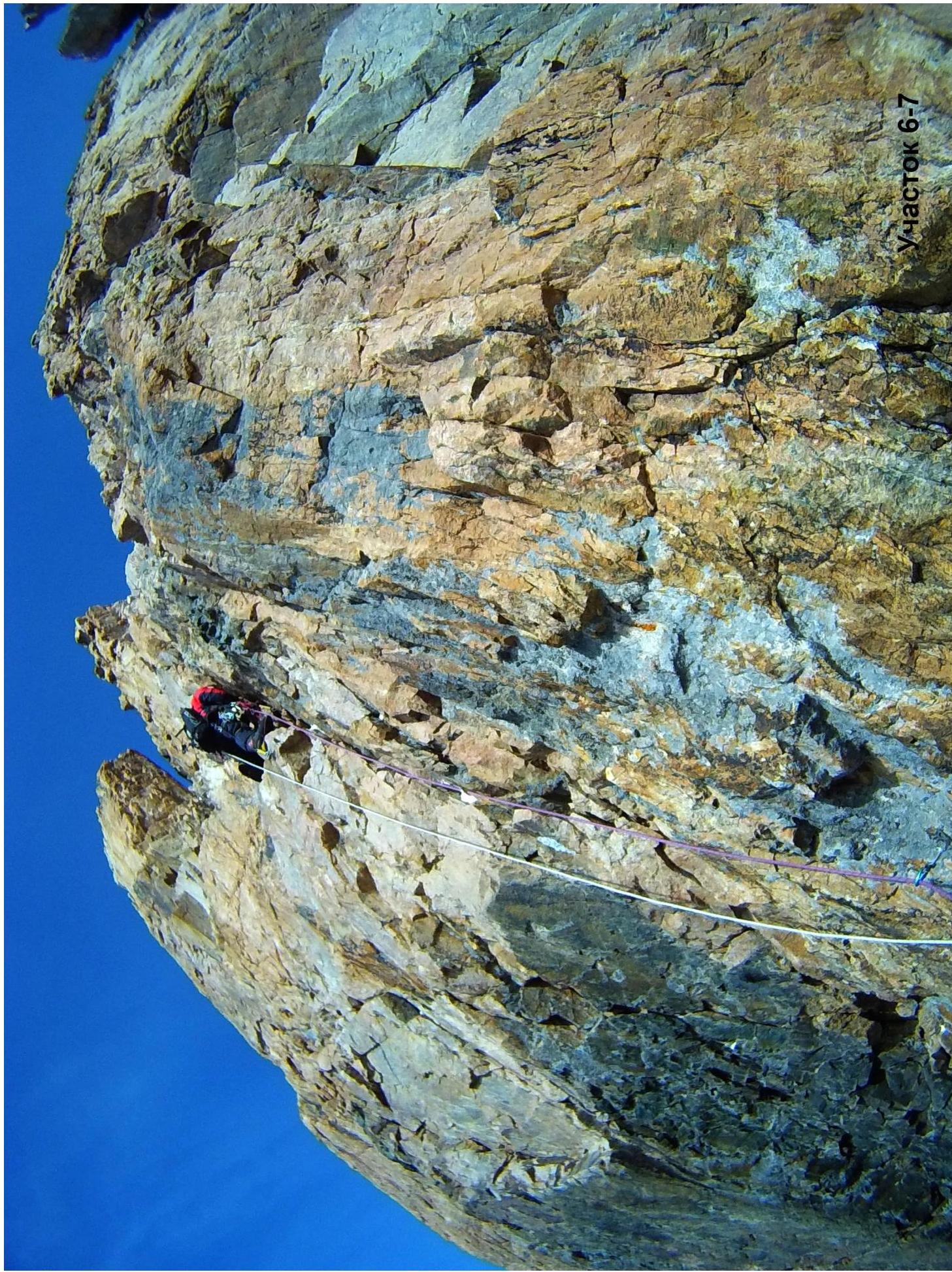
R6–R7路段
1999
1999 1999 1999 1999 1999 1999 1999 1999 1999 1999 1999 1999 1999 1999 1999 1999 1999 1999 1999 1999 1999 1999 1999 1999 1999 1999 1999 1999 1999 1999 1999 1999 1999 1999 1999 1999 1999 1999 1999 1999
1966
1966
登顶64

评论
登录后发表评论