
クラスノヤルスク地方体育・旅行・若者政策省
クラスノヤルスク地方アルピニズム体育連盟
シベリア連邦地域アルピニズムチャンピオンシップ 2013年
高山技術登山クラス
レポート
クラスノヤルスク地方混成チーム ピク Korona 6番目タワー 4860 m 「カニョン」経由 西壁
提案:
- 5B カテゴリー 難易度
- 初登攀
- クラスノヤルスク 2013
登山パスポート
- 地域 — テャンシャン, キルギス山脈, 7.4.
- ピク — Korona 6番目タワー, 4860 m 「カニョン」経由 西壁.
- 提案 — 5B カテゴリー 難易度.
- ルートの特徴 — 組み合わせ.
- ルートの特徴:
高低差 — 700 m, ルート全体 — 760 m. ルートの長さ — 850 m, 区間の長さ:
- 6 カテゴリー 難易度 — 200 m.
- 5 カテゴリー 難易度 — 350 m. 壁面部分の平均傾斜 — 70°.
- ルートに残された装備: ピトン — 0, シャムブルピトン — 0; 「ザクラドカ」 — 0.
ルートで使用されたピトン:
- シャムブル定置ピトン — 0
- 総計 ITO 約 — 200.
- 実行時間 — 22時間, 日数 — 2.
- チームリーダー — ロギノフ イゲール アレクサンドロビチ MS
メンバー: フヴォステンコ オレーグ ヴァレリエビチ MS
- トレーナー: ザハロフ ニコライ ニコラエビチ МСМК, ZTr
バレジン ヴァレリイ ヴィクトロビチ МСМК
- 出発日:
ルート — 2013年3月5日 7:00, 頂上 — 2013年3月6日 18:00, 帰還 БЛ (Рацека) — 2013年3月7日 16:00.
-
主催者: クラスノヤルスク地方体育・旅行・若者政策省 2013年
戦術的作戦
ルートはアルパイン・スタイルで事前準備なしで登攀. ラツェカの住居所から夜間に出発. ルートまで約4時間.
- 初日はルートの約500 mを登攀.
- 良いポルカでテント泊.
- 2日目に残り350 mのルートを登攀.
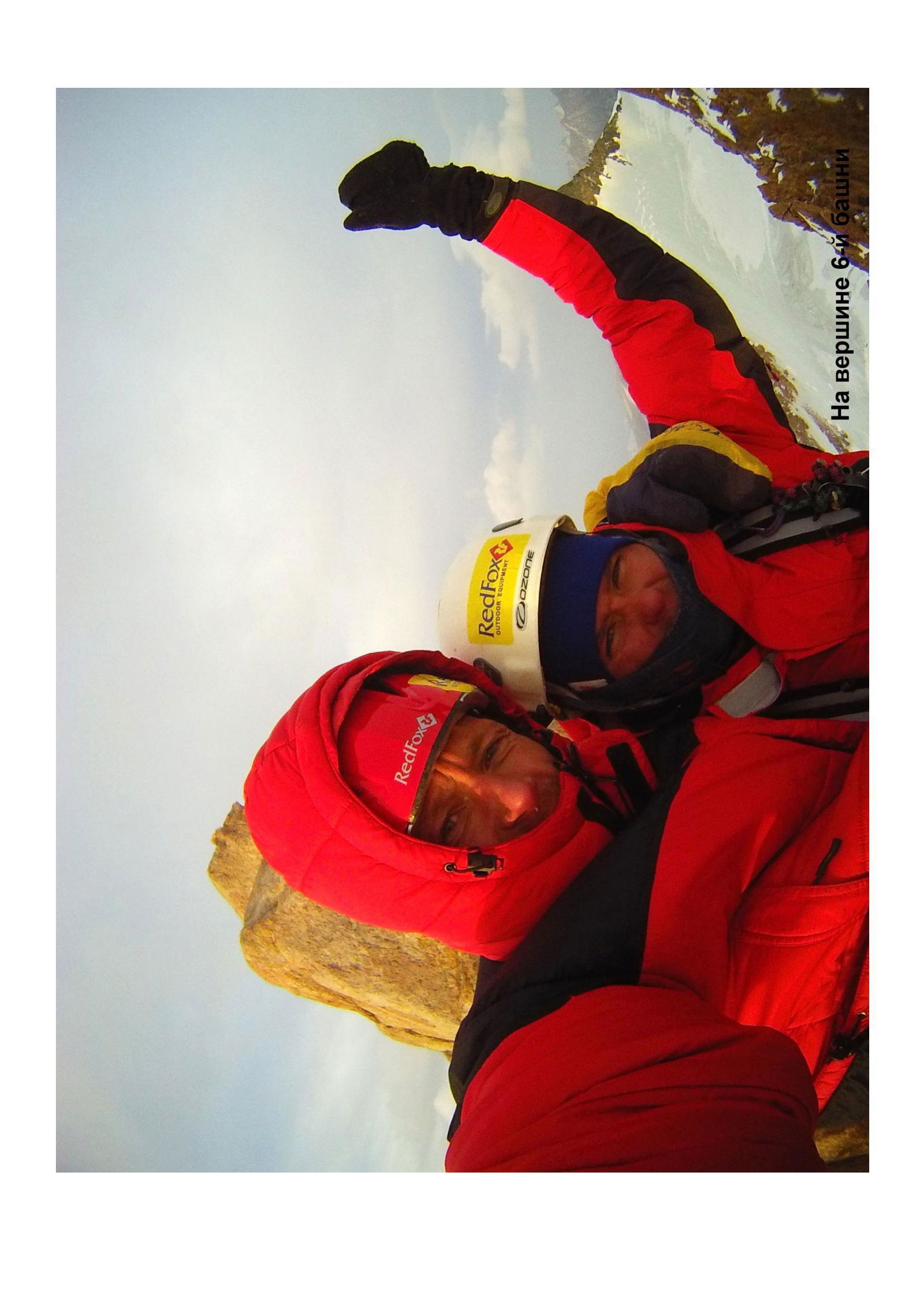
- 6Bの頂上テント泊.
- 5B Korona経由でトラバース降下.
ルートは2つの部分に分けられる:
- 広いクルアール「カニョン」, 西壁を左上り右下りに斜めに横切る, 長さ650 m.
- 頂上タワー, ルートは南壁を登る, 長さ200 m.
安全で快適なテント場所がある:
- クルアールの上部 (右にでて稜線に出る),
- 頂上タワーの前,
- 頂上タワー上,
- 6Bの頂上.
夏の場合、ルートはフリークライミングで登攀可能 (最大難易度は6C フライングと推定). しかしクルアールにおける落石に注意が必要.
アプローチ:
- Koronスカヤ住居所から
- アクサイ氷河経由
- さらに「クマの角」まで — 2時間30分
ルートの出発点は雪氷傾斜からクルアールになり、明瞭な「カニョン」に続く.
ルートの詳細な説明
0 — 1. 雪氷傾斜、クルアールに続く. 100 m, 50°. 1 — 2. 内角クラック、末端は小さなカルニス. 大きいクルアールに出る. 30 m, 75°. 2 — 3. 広い岩壁クルアール「カニョン」、ナテチールアイスあり. 220 m, 65°. 3 — 4. 垂直のカミン. 50 m, 85°. 4 — 5. クルアールの続き、右に出て傾斜が緩くなる. 100 m, 75°. 良いポルカでテント可能.
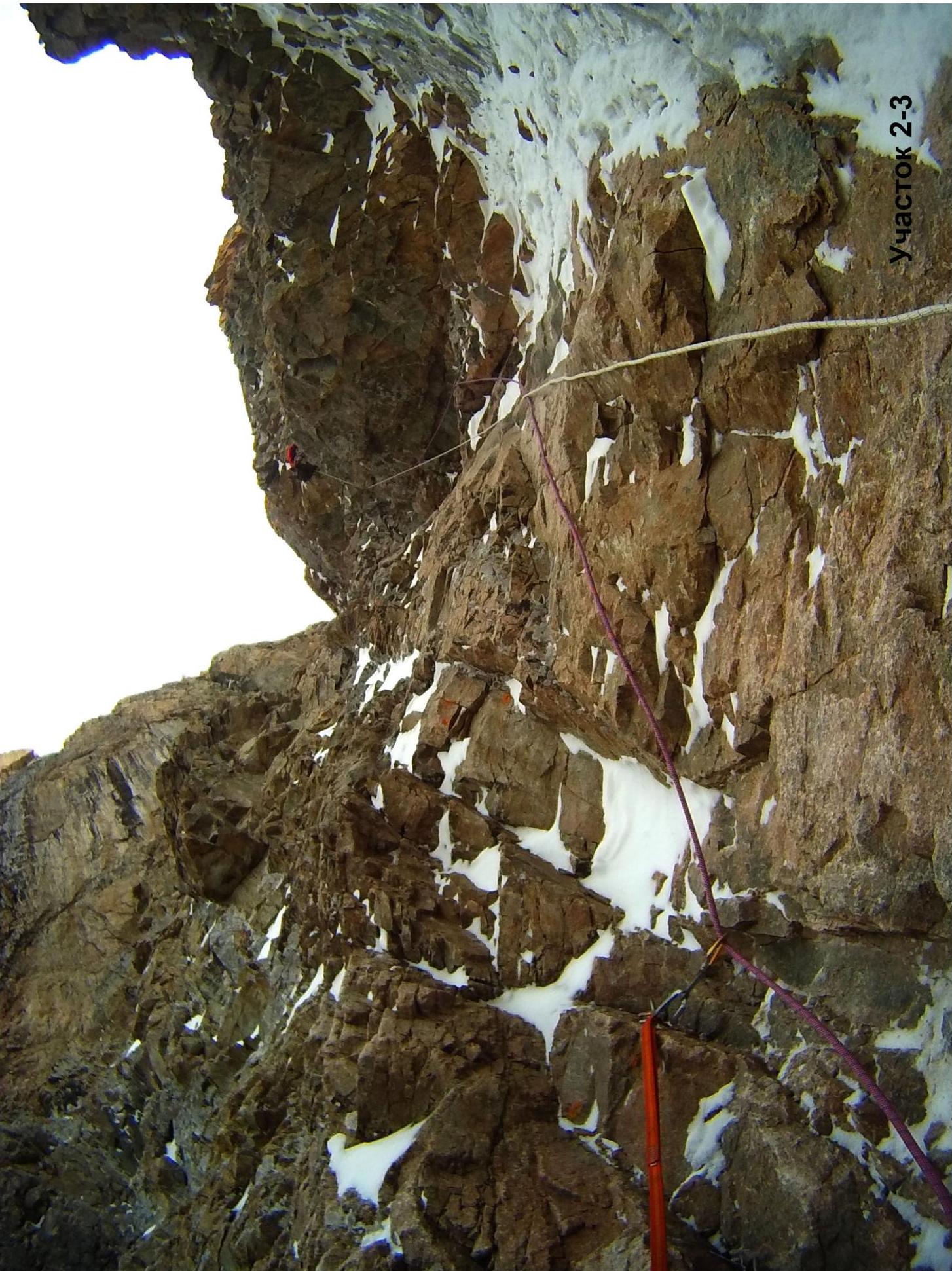
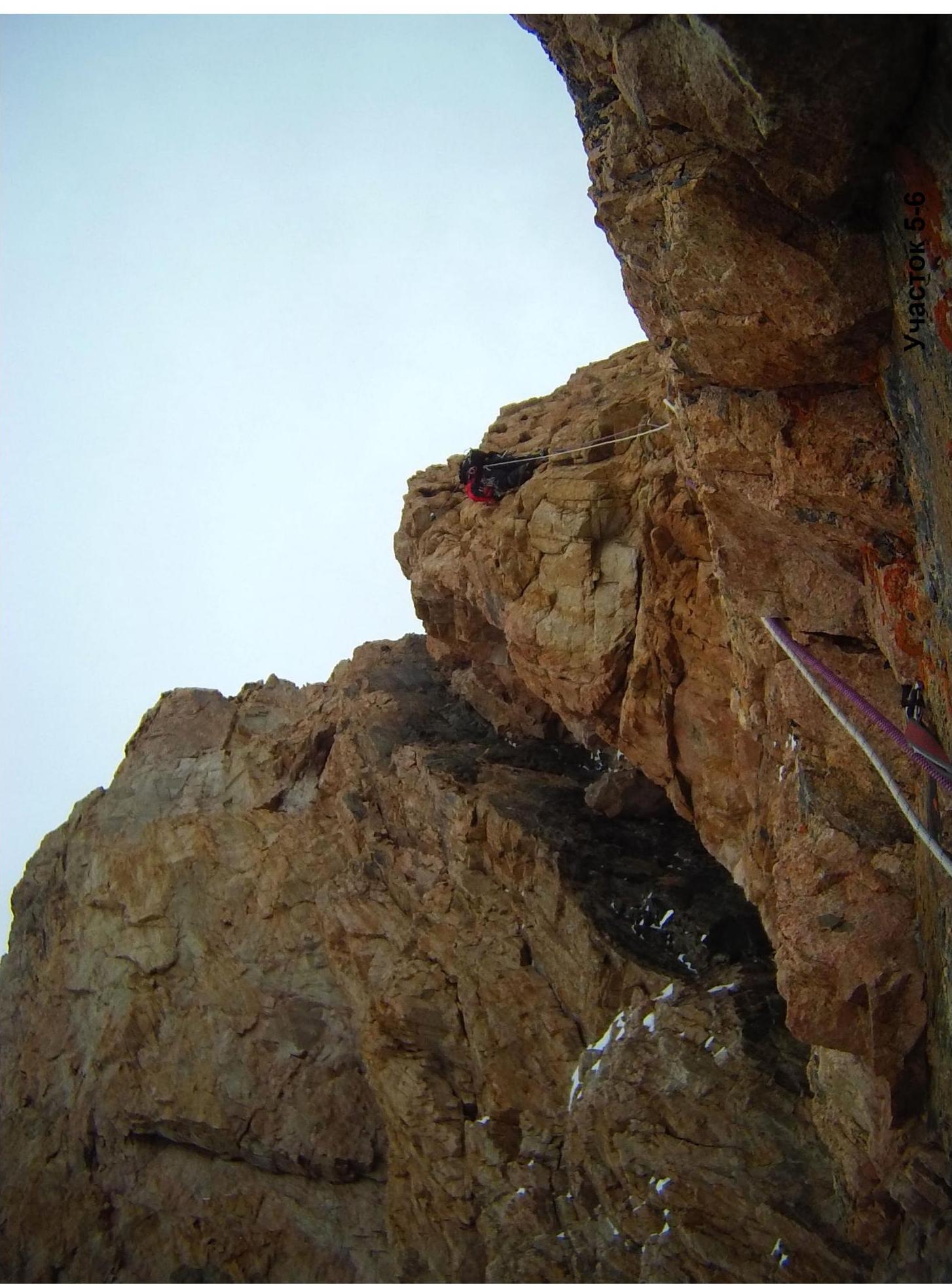
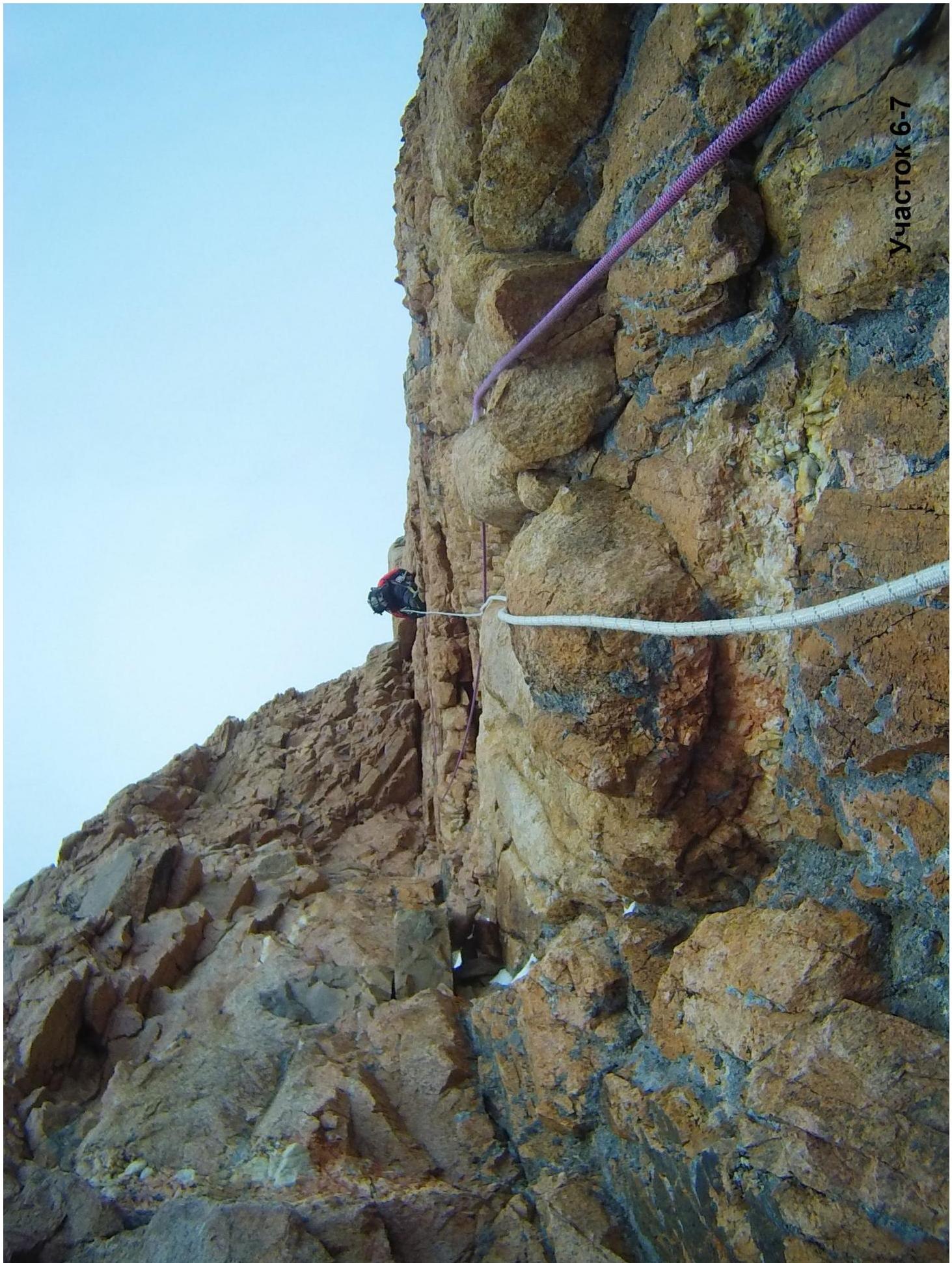
5 — 6. クルアールの右の壁面を登り、肩に出る. 150 m, 80°. 6 — 7. 頂上タワー — 壁面とポルカの複合. 良い地形、一部崩壊. 200 m, 75°. UIAA記号でのルート図
| № | 長さ, m | 角度, ° | カテゴリー | |
|---|---|---|---|---|
| 7 | ||||
| 6 | 200 | 75 | VI, A2 | |
| 5 | 150 | 80 | VI, A2 | |
| 4 | 100 | 75 | IV — V, A1 | |
| 3 | 50 | 85 | VI, A2 | |
| 2 | 220 | 65 | IV — V, A1 | |
| 1 | 30 | 75 | V, A1 | |
| 0 | 100 | 50 | II |
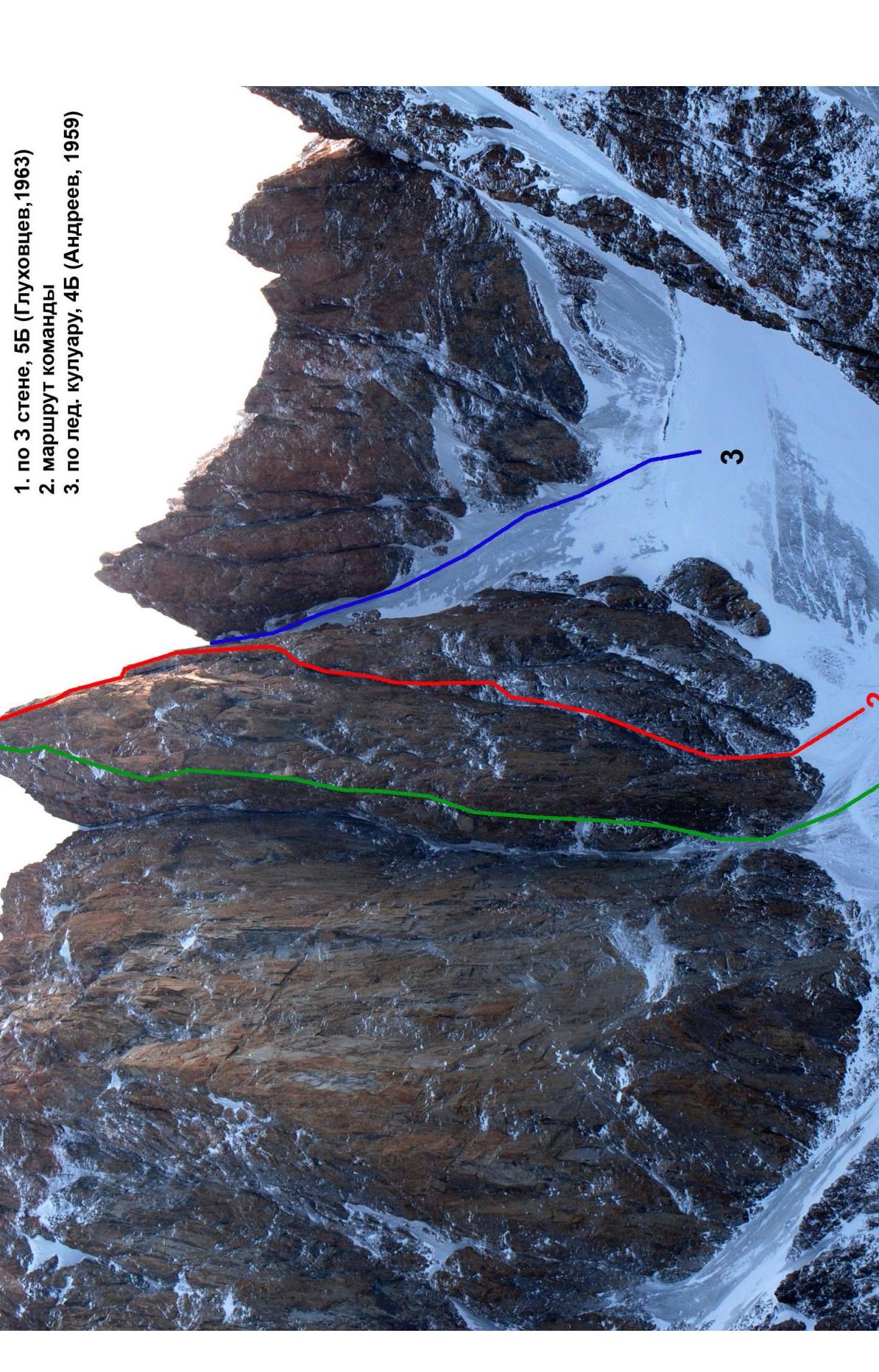
ルート全体の写真
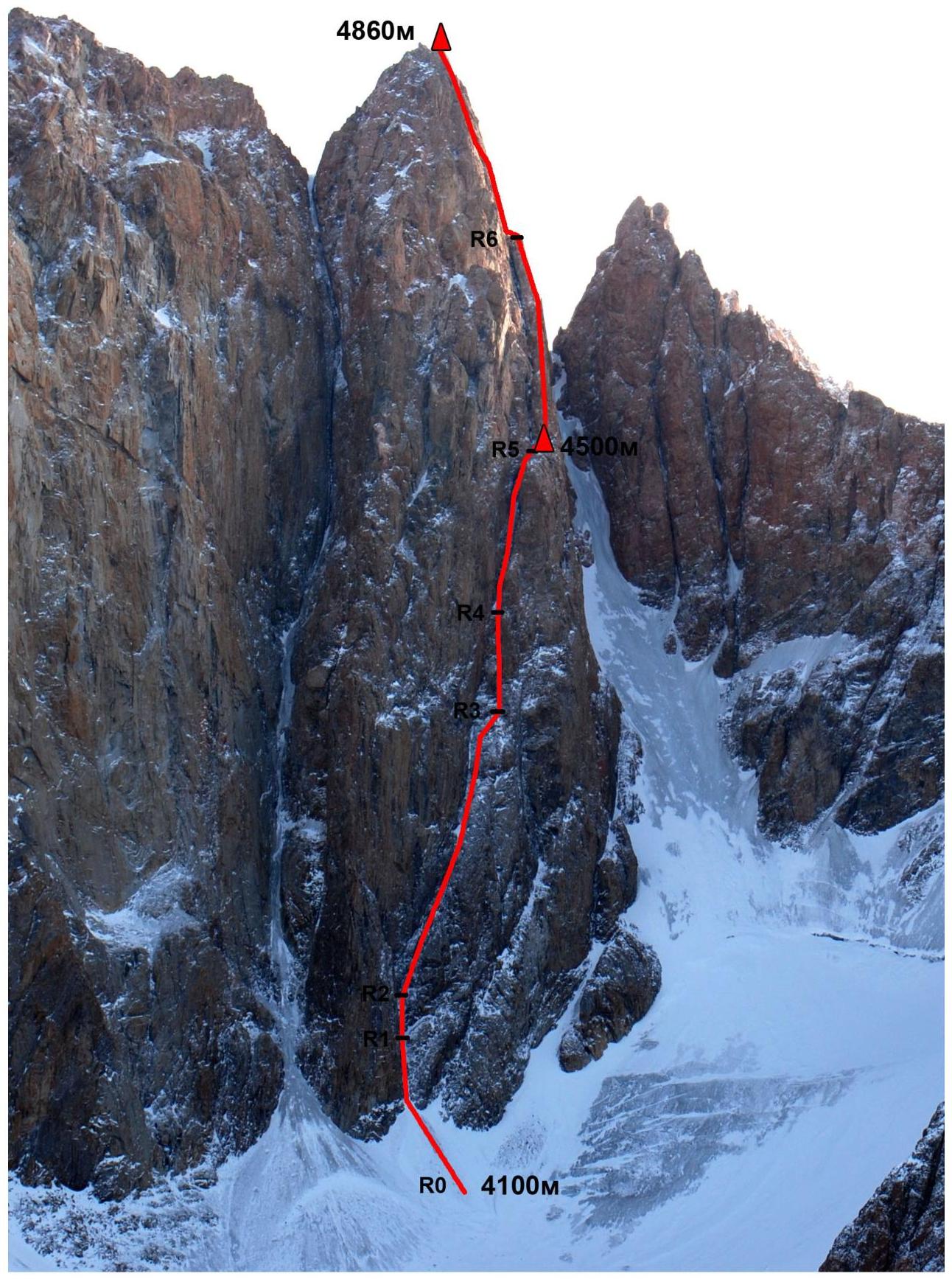
ルートの技術的な写真
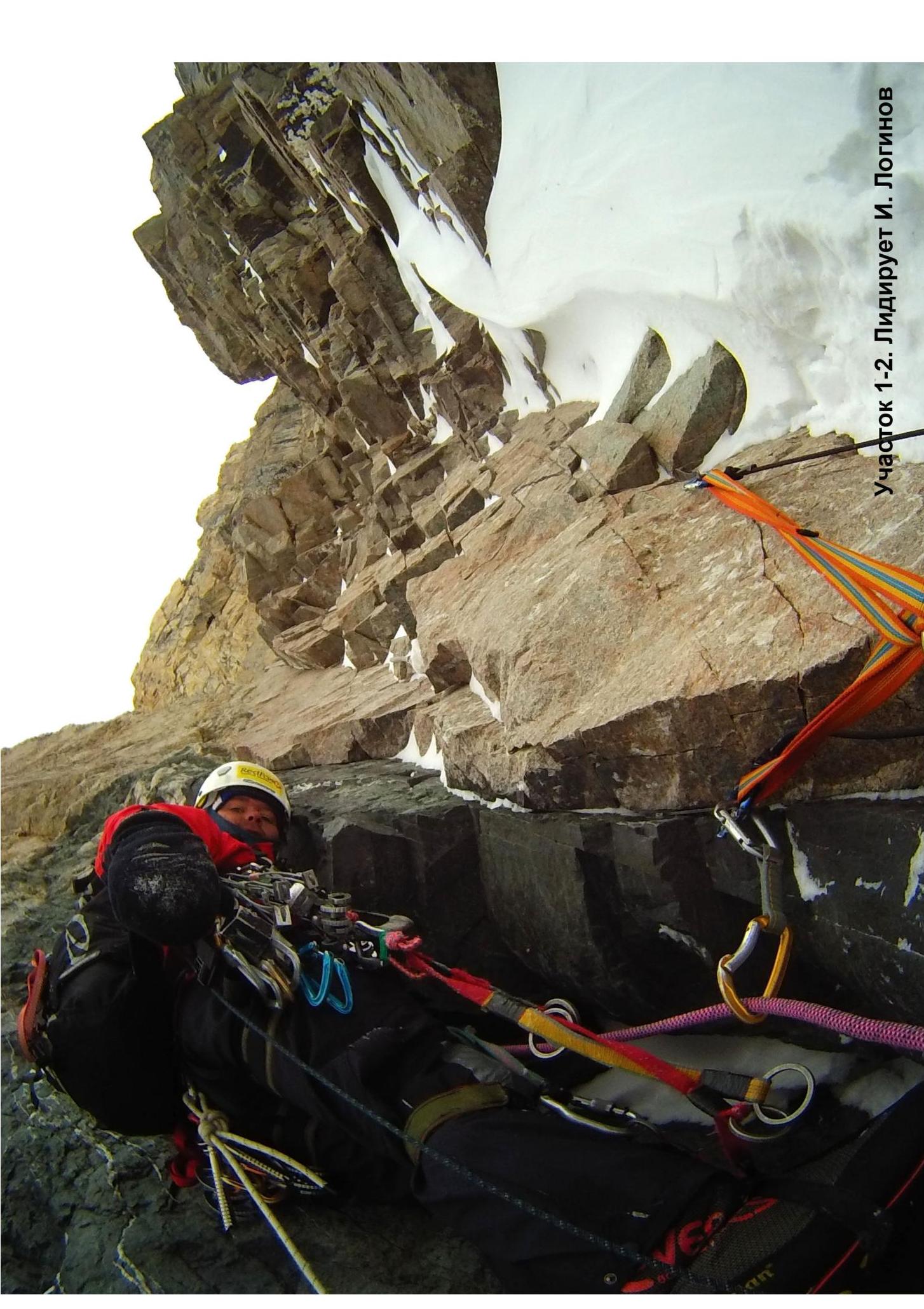
区間 R1–R2. イーグル・ロギノフが先頭
1. Introduction
This document provides an overview of the key concepts and methodologies used in the study ofquantum mechanics.
- Fundamental principles
- Mathematical formulations
- Practical applications
2. Fundamental Principles
2.1 Wave-Particle Duality
Quantum mechanics introduces the concept of wave-particle duality, where particles such as electrons and photons exhibit both wave-like and particle-like properties. This duality is central to understanding the behavior of quantum systems.
2.2 Superposition
The principle of superposition states that a quantum system can exist in multiple states simultaneously until it is measured. This is mathematically represented by a wave function, denoted as |ψ⟩.
2.3 Uncertainty Principle
The Heisenberg Uncertainty Principle states that it is impossible to simultaneously know the exact position and momentum of a particle. This is expressed as: Δx ⋅ Δp ≥ ℏ/2 where:
- Δx is the uncertainty in position,
- Δp is the uncertainty in momentum,
- ℏ is the reduced Planck constant.
3. Mathematical Formulations
3.1 Schrödinger Equation
The Schrödinger equation is a fundamental equation in quantum mechanics that describes how the quantum state of a physical system changes over time. It is given by: iℏ ∂/∂t Ψ(r, t) = Ĥ Ψ(r, t) where:
- Ĥ is the Hamiltonian operator,
- Ĥ is the Hamiltonian operator,
- ℏ is the reduced Planck constant.
3.2 Dirac Notation
Dirac notation is a convenient and convenient way to represent quantum states and operators. It uses bra-ket notation, where the ket |ψ⟩ represents a quantum state, and a bra ⟨ψ| represents its dual.
4. Practical Applications
4.1 Quantum Computing
Quantum computing leverges the principles of superposition and entanglement to perform computations that are infeasible for classical computers. Quantum bits, or qubits, are the fundamental units of quantum information.
4.2 Quantum Cryptography
Quantum cryptography uses the principles of quantum mechanics to secure communication. Quantum key distribution (QKD) is a cornerstone of quantum computing, where key distribution is based on the state of the system.
5. Conclusion
Quantum mechanics is a cornerstone of modern physics, providing a framework for understanding the behavior of particles at the smallest scales. Its principles and mathematical formulations have led to groundbreaking technologies and continue to drive innovation in various fields.
6. References
- Griffiths, D. J. (2005). Introduction to Quantum Mechanics. Pearson.
- Shankar, R. (2012). Principles of Quantum Mechanics. Plenum
Press.

区間
3–4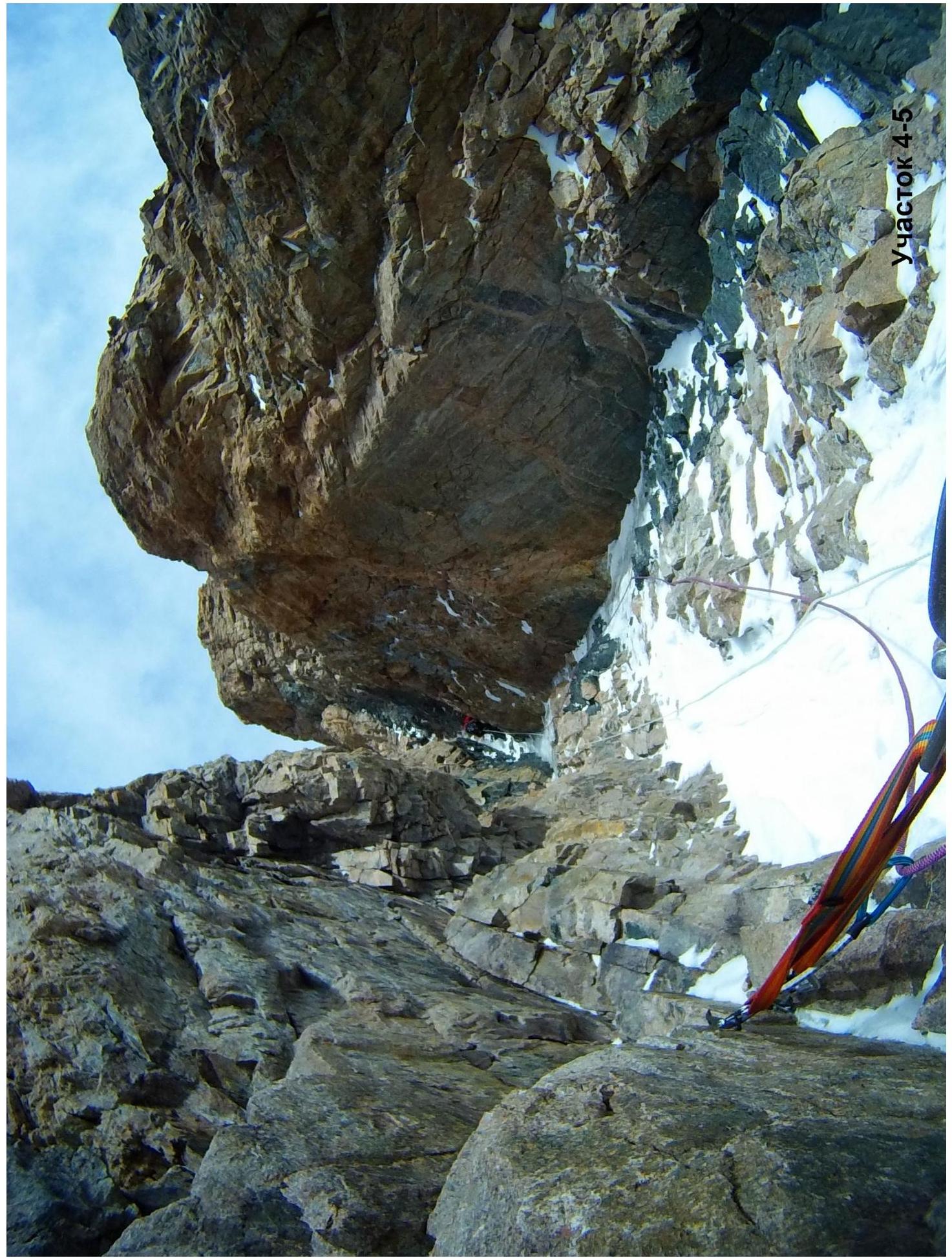
4-5
YAGEN 4–5
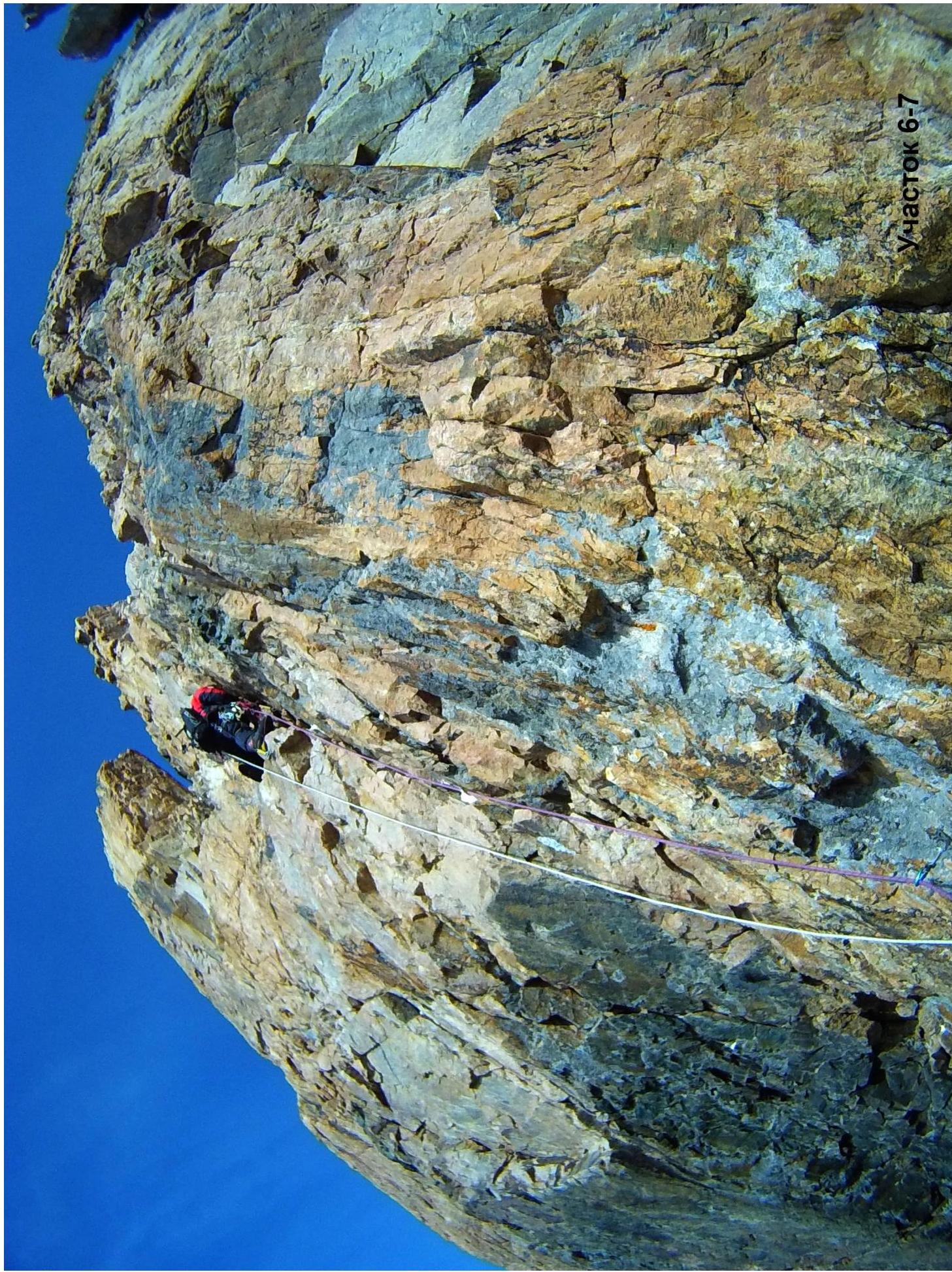
区間
R6–R7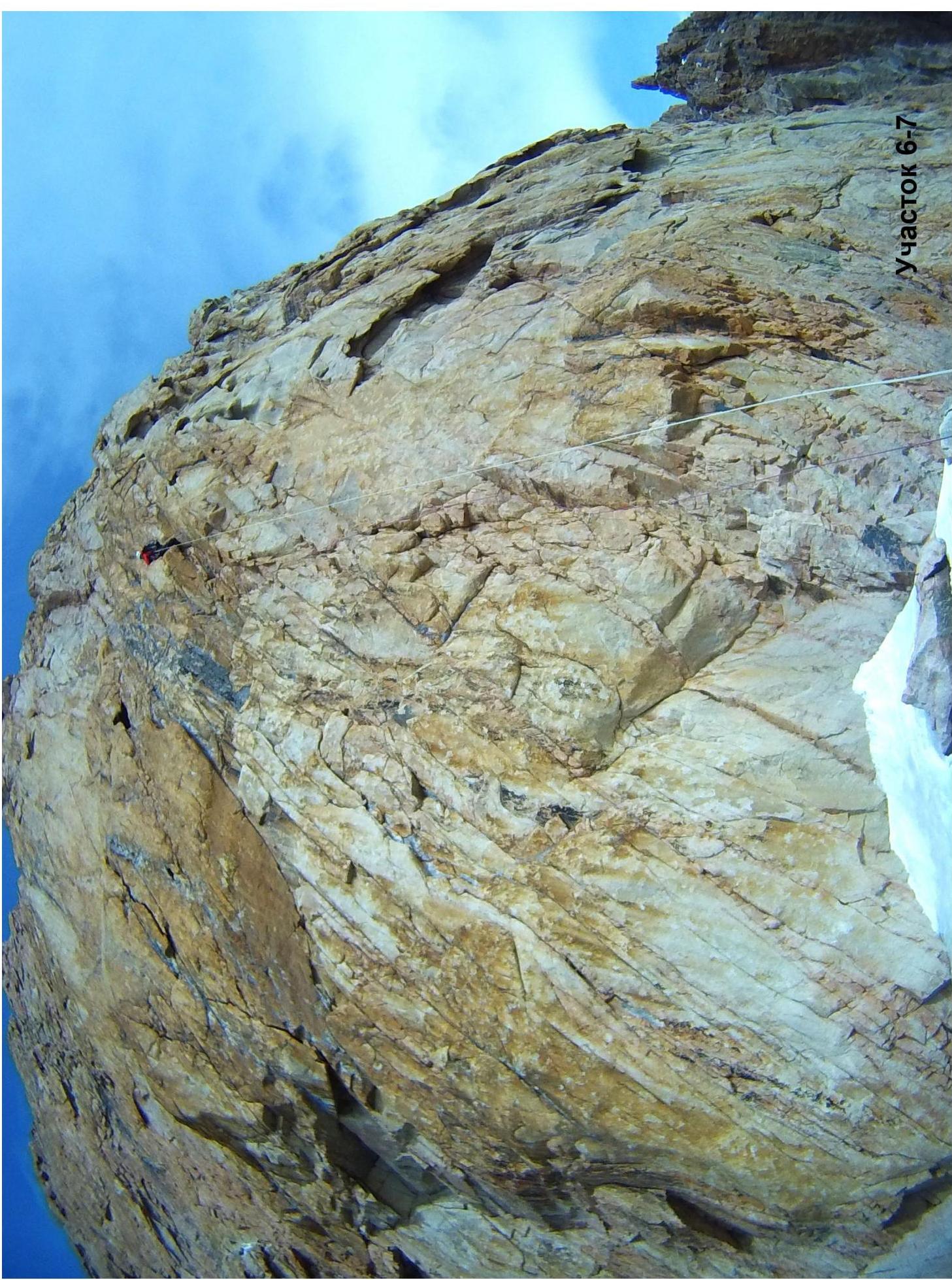
1999
1999 1999 1999 1999 1999 1999 1999 1999 1999 1999 1999 1999 1999 1999 1999 1999 1999 1999 1999 1999 1999 1999 1999 1999 1999 1999 1999 1999 1999 1999 1999 1999 1999 1999 1999 1999 1999 1999 1999 1999
1966
1966
頂上64

コメント
コメントするにはログインしてください